I consider myself lucky to live in a true haven with our immediate neighbors. An elderly lady and a couple who are always kind and thoughtful, treating us with so much warmth it feels like our daughter is their own grandchild.
These kinds of relationships are rare nowadays, and we often wonder what it will feel like when they’re no longer next door. Can anyone ever match the neighborly example they set for us?
Then there’s the neighbor across the street, with whom we had a polite but distant relationship. We greeted each other, but looking back, we never really talked over the years. He caused minor annoyances (and I’m sure we did the same to him), but nothing serious—at least for a while.
The Grass and Those Certain Bottles
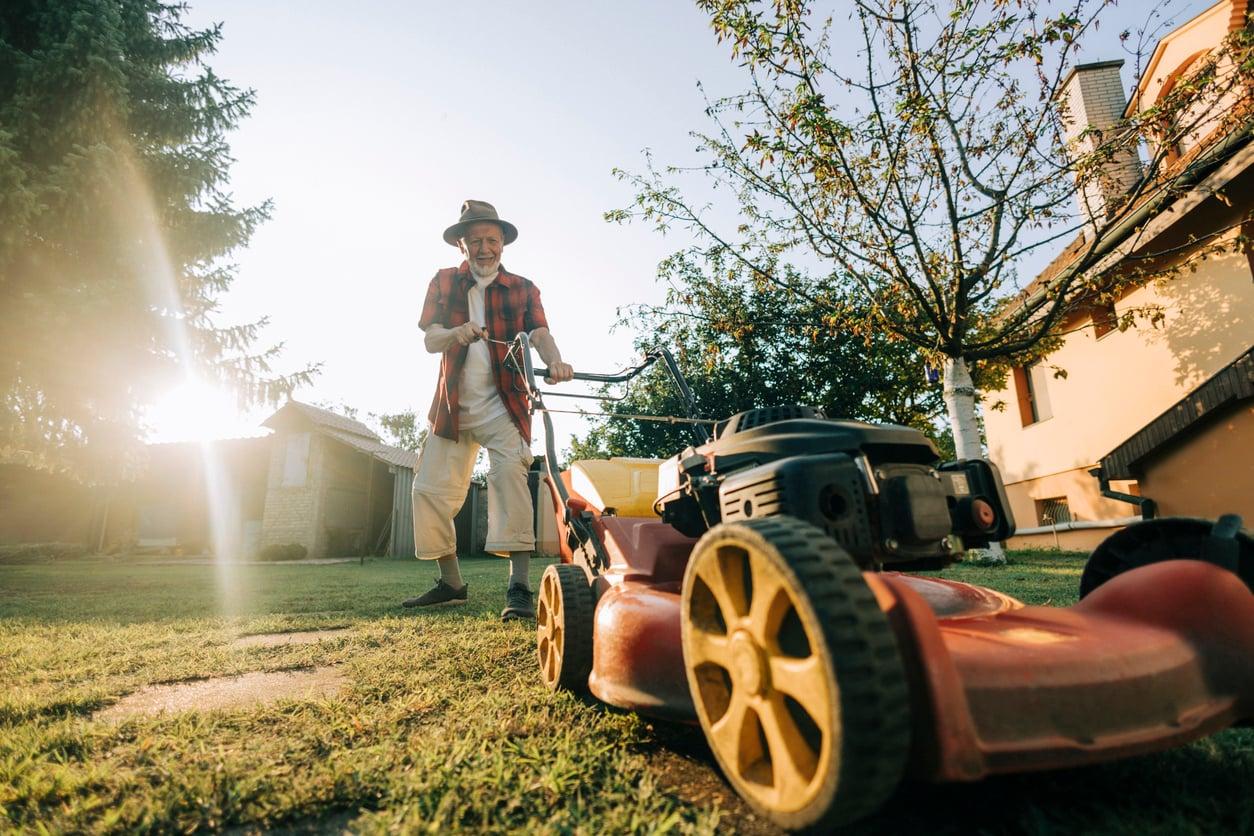
His house on the corner has no windows facing our street, so maybe he doesn’t mind when grass and weeds grow wild along the road on his side. For us, it’s right in front of our eyes every day, so the boys sometimes mow it when it’s waist-high. It’s no big deal—just five extra minutes of work—so we never made a fuss.
The real problem wasn’t the grass, though—it was the bottles. A few years ago, while walking home with my daughter, I noticed the road littered with discarded glass bottles. Some had even been run over by cars, scattering sharp shards everywhere.
I grabbed a bag and quietly picked them all up right in front of my neighbor’s eyes. I hoped he’d get the message since the bottles came from his place. I wasn’t looking for conflict—just peace and safe passage.
Then came the moment when the glass finally spilled over—or maybe the straw broke?
One August Morning at the End of This Summer
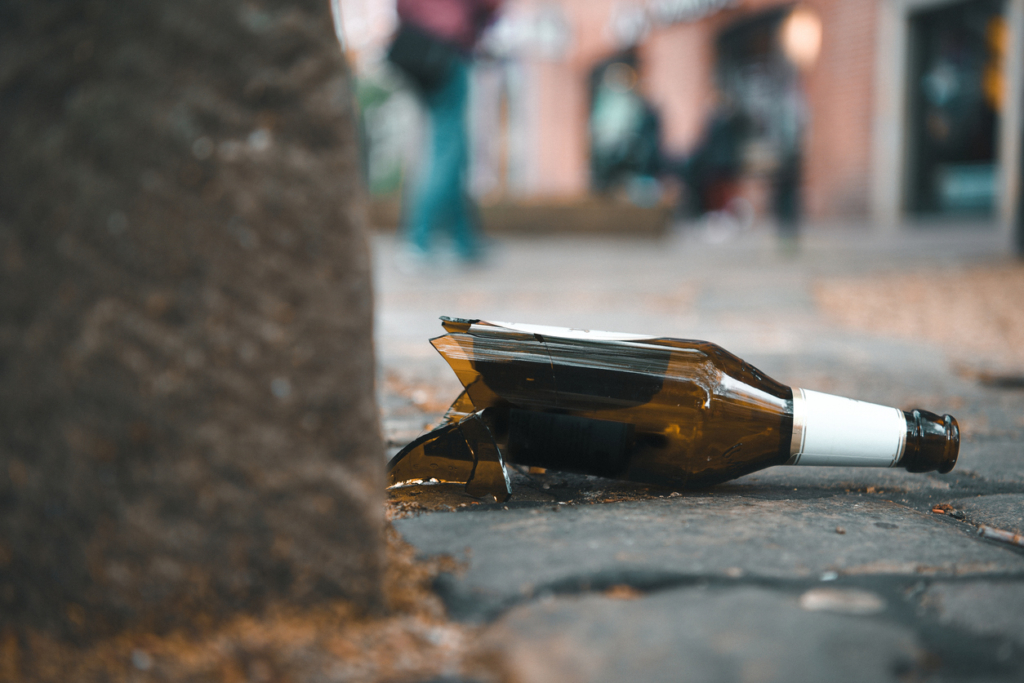
Suddenly, there was a loud clatter followed by a big bang: a car ran over a wine bottle, shattering it right in the middle of our driveway.
I dropped everything, went outside, and picked up the larger shards. But this time, I couldn’t just let it go. I approached my neighbor and politely but firmly asked him to stop throwing bottles onto the street because it’s dangerous. The shards end up right in front of our entrance, and whether we’re walking, biking, or driving, they can ruin tires and shoes—and even cause injuries.
His First Reaction Shocked Me
At worst, I expected him to tell me off, asking what I thought I was doing, and how could I lecture a man close to 70 years old? At best, I thought he might feel ashamed since this wasn’t the first obvious incident.
But he simply denied everything. I was stunned. We both knew exactly what happened, yet he acted like he had no clue what I was talking about.
For a moment, I even felt sorry for him. I wondered what old habits or mindsets make someone his age deny responsibility instead of facing it.
Finally, after I repeated that I heard and saw what happened, he admitted it: he had kicked the bottle onto the street. I told him I understood how frustrating it is to pick up other people’s trash, but maybe this isn’t the best way to deal with waste. He mumbled something under his breath, so I just asked him to find another solution next time. Then I said I’d sweep up the scattered shards one last time. He grunted a reluctant “okay.” No more arguing—I cleaned up again and got back to work. (Of course, we still finished mowing the grass on the street side, but I guess next year we won’t hear the mower running quite so often.)
What This Disagreement Taught Me
Afterwards, I couldn’t stop thinking about how hard it can be to admit when we’re wrong—even in situations that are crystal clear to everyone involved. I’d suspected my neighbor didn’t realize the impact of tossing bottles onto the street. I’m sure he wasn’t angry at us, the drivers, or the kids who regularly bike here. If I had to guess, his anger about the litter blinded him to the consequences.
Either way, this conflict reminded me that things aren’t always black and white. Behind even the most distant or frustrating neighbor is a story we don’t know. And living in a community means mutual care, honesty, and responsibility matter just as much as peace.
I probably will never have a perfect relationship with this gentleman, but I definitely see him now with new eyes—and a lot less frustration.