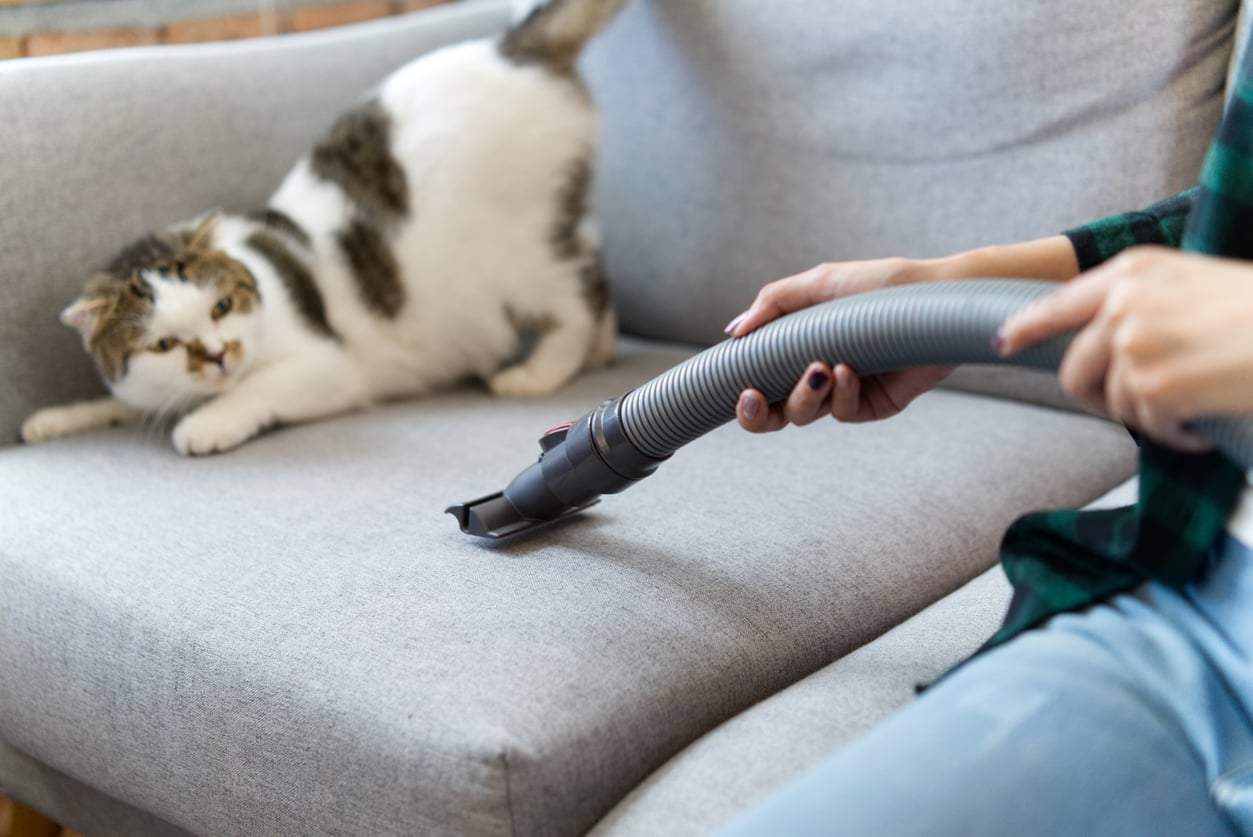
For allergy sufferers, spring and summer bring more than sunshine and warmth—they also usher in a surge of pollen that can make daily life challenging. Creating a pollen-free home is especially important for those with sensitivities. While it’s not easy, it’s definitely doable. In this article, we’ll explore practical ways to reduce allergens in your living space.
Besides pollen, common indoor allergens include dust mites and mold. Regular cleaning helps keep them at bay. Vacuuming is key—but choosing the right vacuum makes all the difference.
HEPA-filter vacuums are especially effective at reducing airborne allergens. These filters trap tiny particles as small as 0.3 micrometers, significantly lowering pollen and other allergens in your home.
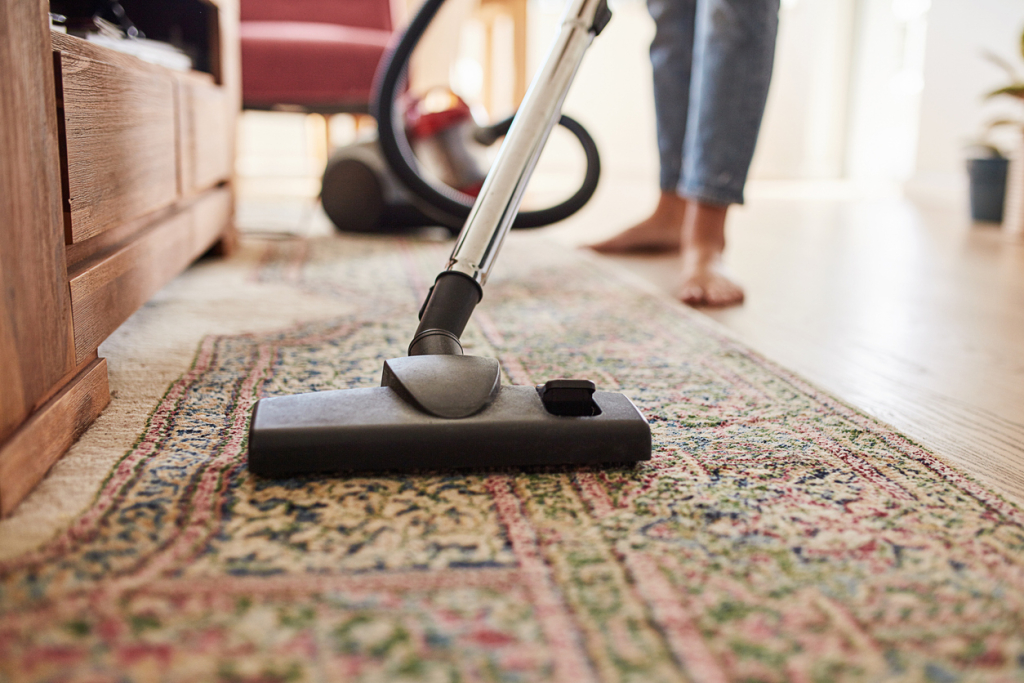
Fight Mold with Damp Cleaning
Mold isn’t just an eyesore—it can trigger serious respiratory issues, especially for sensitive individuals. Combat mold by wiping surfaces with a damp cloth and ensuring proper ventilation.
Regular damp cleaning removes the moisture and nutrients mold needs to thrive. According to a study published in Indoor Air, keeping indoor humidity between 30-50% dramatically slows mold growth.
Using Air Purifiers
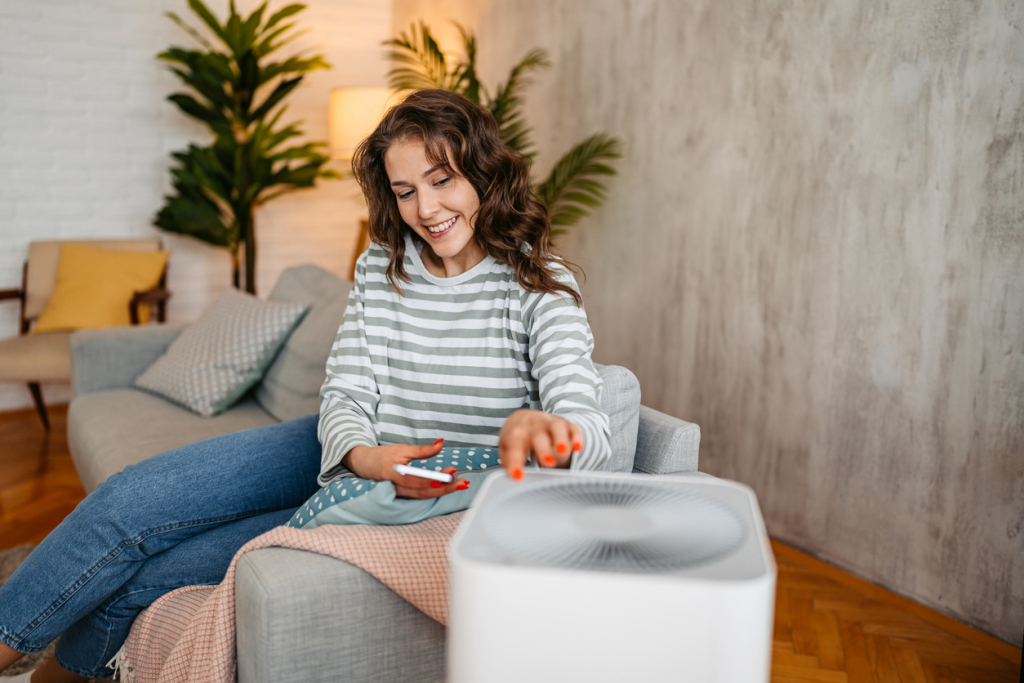
One of the smartest ways to boost indoor air quality is using an air purifier. Devices equipped with HEPA filters stand out because they efficiently capture airborne pollen, dust mite droppings, and other tiny particles.
A study featured in the American Allergy and Asthma Proceedings found that homes using HEPA-filter air purifiers saw a significant drop in allergen levels, which improved residents’ comfort and quality of life.
The Role of Houseplants
While some houseplants can trigger allergies, certain types actually improve air quality, acting like natural air filters. NASA research highlights that snake plants and Boston ferns can help remove carbon dioxide and other pollutants from indoor air.
Choosing the right plants and regularly cleaning their leaves helps prevent dust and pollen buildup, keeping your green friends fresh and allergy-friendly.
Frequent Ventilation and Ideal Humidity
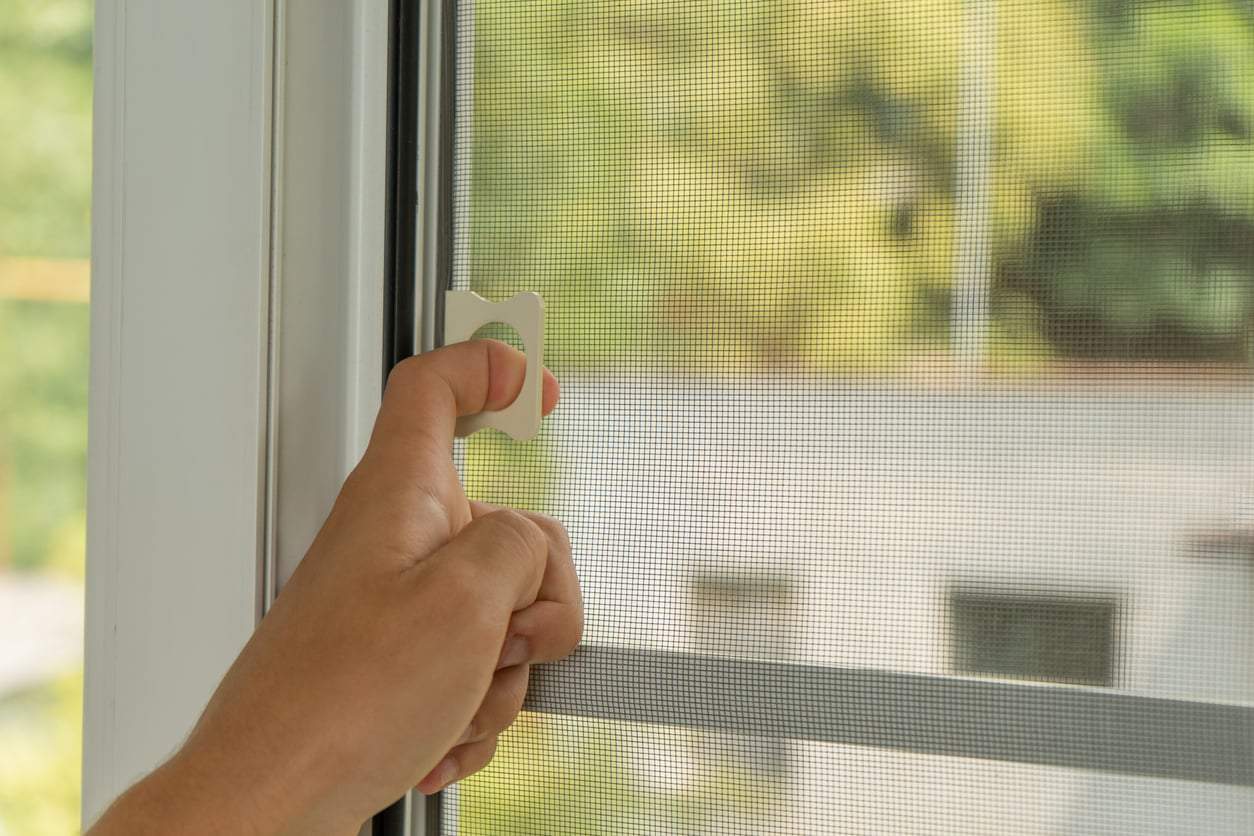
Good ventilation is essential, especially in damp areas, to reduce humidity and mold risk. Fresh air circulation also sweeps away accumulated allergens, refreshing your home’s atmosphere.
Maintaining humidity between 40-60% is key—too dry air can irritate your airways, while too much moisture encourages microbes to grow. Use a humidifier or dehumidifier to keep levels just right.