Antiperspirants work by temporarily blocking sweat glands, usually with aluminum-based ingredients, to reduce sweating. Still, many people notice they sweat or even experience unpleasant odors during the day—even when using the strongest products. The issue often isn’t what you use, but when you use it.
The Best Time: Before Bed
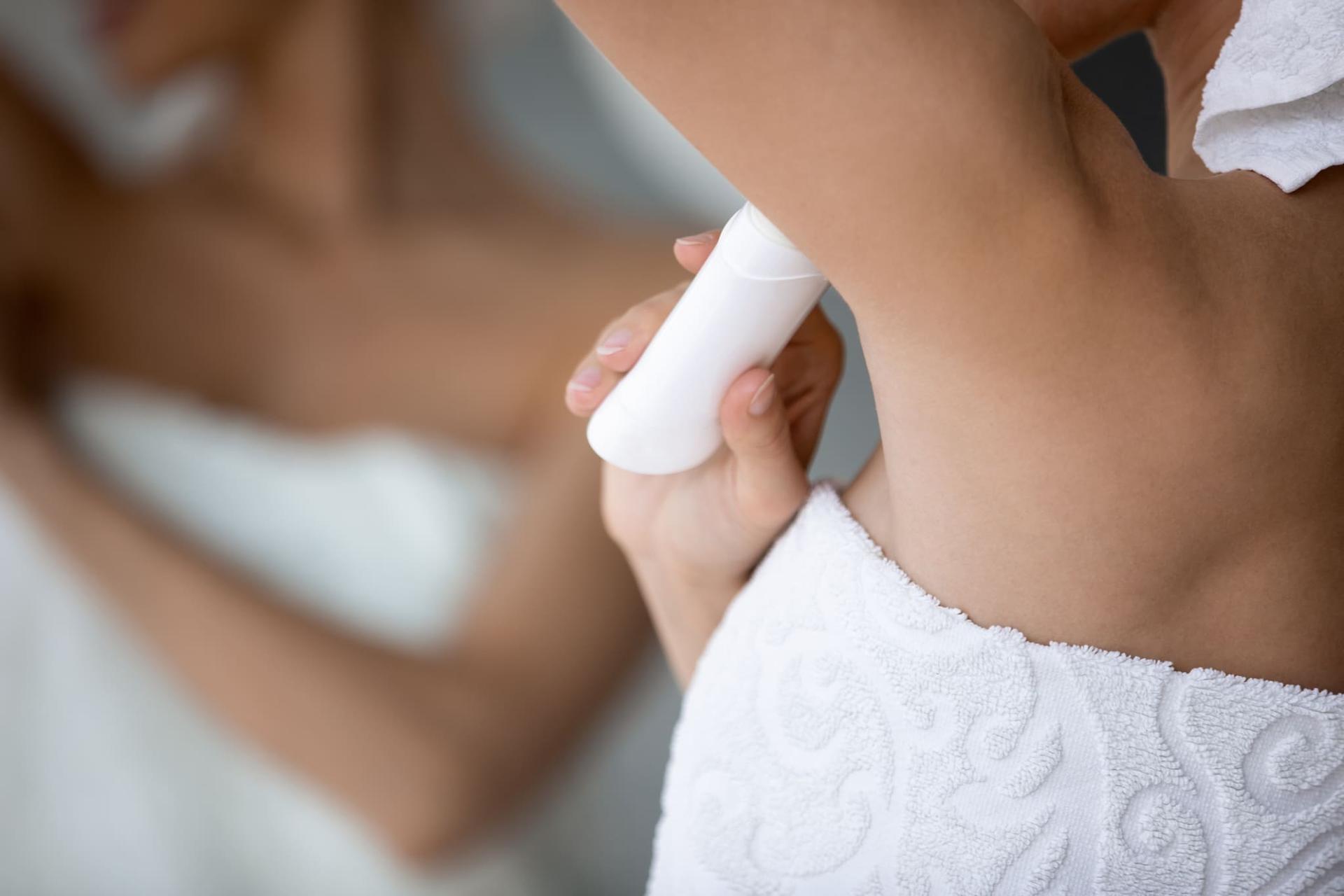
Antiperspirants work best when applied at night, on clean, completely dry skin, right before you go to sleep. Here’s why: your body temperature naturally drops at night, so you sweat less, giving the product time to fully absorb into your pores. If you apply it in the morning on damp skin after a quick shower, the active ingredients can’t do their job properly. It’s like trying to fix a leaky pipe while water is still flowing—you’re unlikely to succeed.
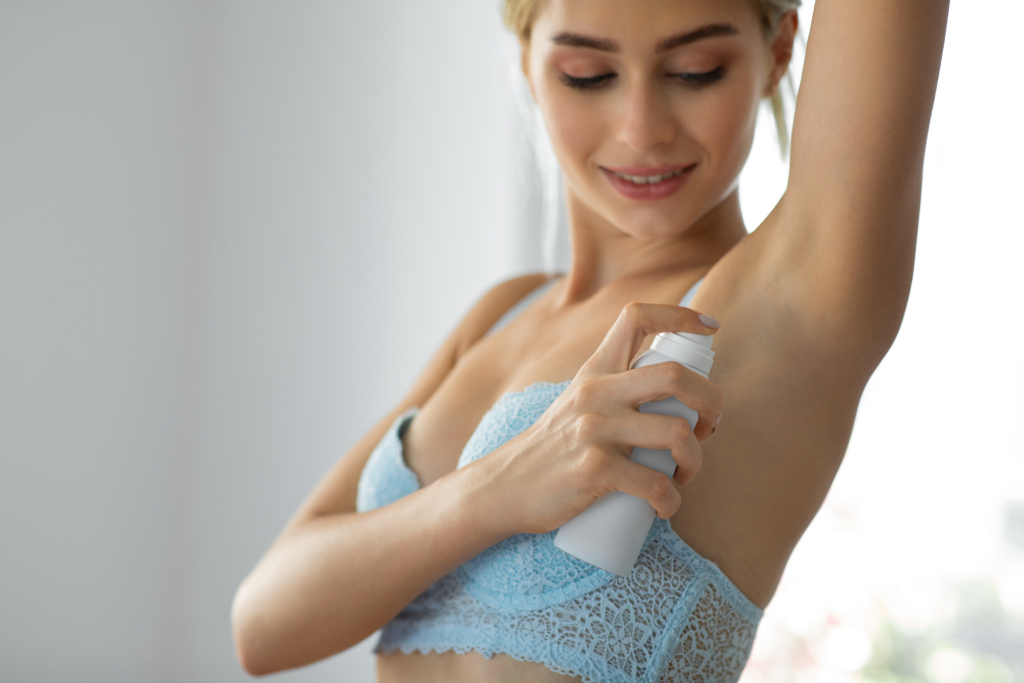
No Need to Reapply in the Morning?
If you apply it properly at night, you can get 24–48 hours of protection, so there’s no need to reapply in the morning—even after showering. The protective layer formed doesn’t wash off easily.
If you want an extra boost of freshness or scent in the morning, feel free to use a deodorant. It helps keep odors at bay, even though it doesn’t stop sweating.
How to Use Your Antiperspirant Correctly:
- Apply at night on clean, completely dry skin. After showering, wait a bit until you’re fully dry.
- Don’t overdo it! One or two swipes are enough—more only raises the chance of irritation.
- If your skin is sensitive, start using it every other day, then gradually move to daily use if you don’t notice any discomfort.
- In the morning, use deodorant only if you want a fresh scent—no need to reapply antiperspirant.
Which Type of Antiperspirant Is Right for You?
Now that you know when to use it, consider which type suits you best. Classic stick or roll-on versions are practical and easy to use, usually leaving fewer marks on clothes. Sprays dry quickly and feel refreshing but often contain alcohol, which can irritate sensitive skin.
Creamy or gel antiperspirants can be especially effective because they cover the skin more thoroughly and often include extra nourishing ingredients. If you tend to sweat heavily, consider clinical-strength options with higher active ingredient content—these are often available without a prescription, but always read the instructions carefully as not all are meant for daily use.
This small change to your evening routine can make a surprisingly big difference in how well your antiperspirant works—especially during warm summer months. That means less chance of sweat showing on your blouse and fewer awkward moments.