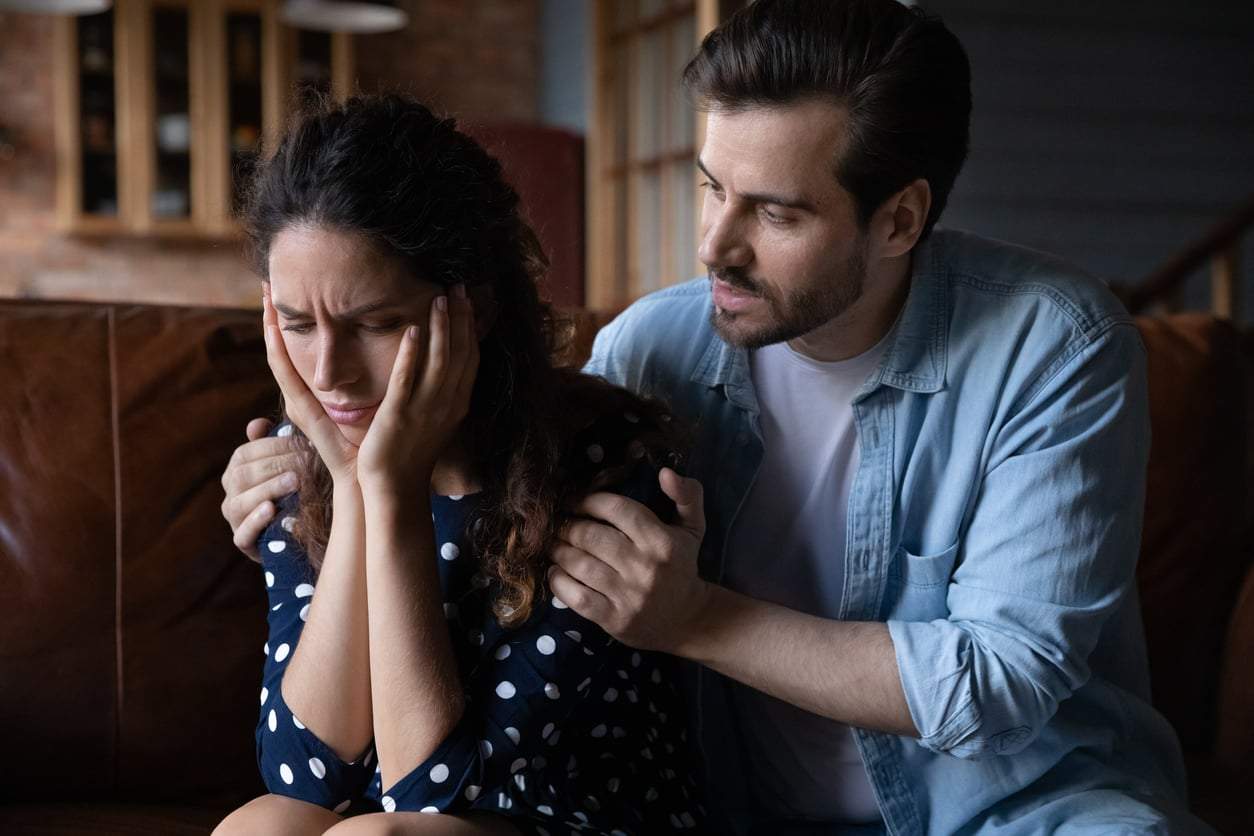
In relationships, few things shake us as deeply as facing infidelity. Cheating disrupts the emotional balance the relationship was built on, leaving deep wounds for both partners. While apologies and forgiveness are important steps, rebuilding trust is a complex journey that takes time, patience, and honest self-reflection.
Understanding the Reasons Behind Cheating
One of the first steps to rebuilding trust is understanding what led to the betrayal. Exploring these reasons helps clear up misunderstandings and gives insight into how to avoid similar issues in the future. The clearer we see the motivations behind the actions, the better chance we have to address the core problems in the relationship.
Relationship experts often point to emotional dissatisfaction, lack of attention, or a desire to break free from routine as common triggers for cheating. This doesn’t excuse the behavior, but it opens a door to understanding what might have been missing in the relationship and why one partner sought comfort elsewhere.
The Power of Open and Honest Communication
If you want to give your relationship a real chance at healing, open and honest communication is key. Sharing feelings—even when it’s uncomfortable—creates a space where both partners can openly express their worries, fears, and hopes. These honest conversations don’t just help process hurt; they deepen understanding and pave the way for working together toward future goals.
Sometimes, professional support can be a game changer. A therapist can guide tough conversations, making sure both voices are heard and helping the couple navigate their challenges with care.
Rebuilding Trust Step by Step
Recovering trust after cheating is a long and winding road. Both partners need to understand that trust doesn’t return overnight; it grows through small, consistent actions every day. Keeping promises, setting shared goals, and reaching them gradually are all important building blocks.
Try redefining your time together with activities that interest you both and boost the quality of your moments. Whether it’s a new hobby, a short trip, or a simple evening walk, these shared experiences can bring fresh energy to your connection.

The Importance of Self-Awareness and Personal Growth
Cheating challenges not only the relationship but also your individual self. Processing this trauma is tough, but it offers a chance to know yourself better and learn from the experience. Developing emotional intelligence and practicing self-reflection enrich your life beyond the relationship. The pain you’ve endured can teach you wisdom that helps you handle emotional conflicts more skillfully in the future.
Keeping a journal about your feelings and experiences or joining a support group can be especially helpful. During this self-discovery, it’s important not only to recognize your partner’s faults but also to understand your own patterns and reactions.
Is There Life After Cheating? — Owning Your Decision
Ultimately, recovering from cheating is a deeply personal choice. No one can decide for you whether to continue the relationship. One of the hardest questions is whether you can trust again enough to give your relationship a real chance to heal. This requires patience, empathy, and a shared commitment from both partners. Remember, the pain of betrayal affects not just the individuals involved but also those around them.
Choosing to start over means more than understanding your partner’s actions—it means learning to trust yourself, your judgment, and your worth again. The pain from cheating can be the seed for a new kind of confidence that supports you in the next chapter of your relationship journey.