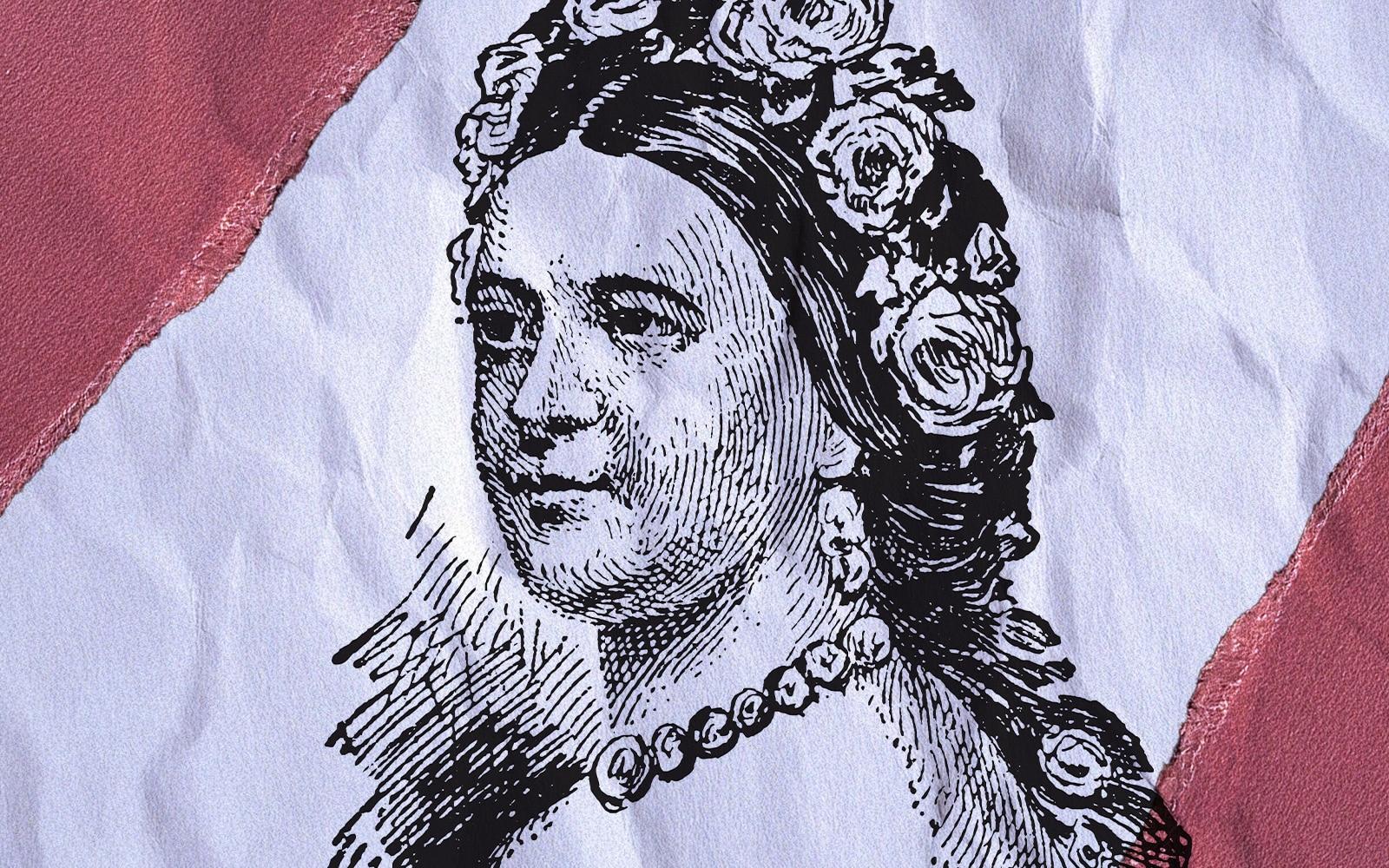
Let’s take a quick trip back in time to meet Mary Todd Lincoln, the First Lady who faced a tidal wave of hatred and is still often called America’s worst First Lady.
Constantly Under Fire
Recently, the BBC shared a special feature highlighting a new play that brought up how much Mary Todd Lincoln sparked strong dislike in her time. She was the wife of Abraham Lincoln, the president who freed the slaves and was widely admired. Yet from her first days in Washington in 1861, Mary faced harsh criticism, especially when she began plans to lavishly renovate the White House.
She traveled to New York to shop, but reporters followed her everywhere, sharply criticizing her. Many thought she was frivolous, a poor look for a capital under siege during wartime. Throughout the Civil War, her loyalty was questioned, partly because she came from a slaveholding family. Even after her husband’s assassination in April 1865, public opinion didn’t improve much. But it’s worth asking if all the harsh judgments were truly fair.
A Childhood Marked by Loss
Mary was just six years old when her mother passed away. After her father remarried, she gained nine half-siblings. According to the BBC, love was scarce in their Kentucky home in Lexington. One day, Mary ran away to Springfield, Illinois, where she lived with her sister and soon began attracting attention there.
Abraham Lincoln Enters Her Life
Historian Jason Emerson told the BBC that Mary earned plenty of praise and admirers over time. Then she found Abraham Lincoln, a man who shared her love of poetry, theater, and passion for Whig Party politics. Age and height differences didn’t matter—they married in 1842.
But instead of the loving environment she missed as a child, Lincoln was often away working as a lawyer in Illinois courts. This made it hard for him to truly support or understand her.
Battling Multiple Illnesses
Emerson also pointed out that Mary likely struggled with bipolar disorder, a condition rarely diagnosed in the 19th century. As she aged, her mental health worsened. She also suffered from migraines, which intensified after an accident during her years in the White House.
Did She See Herself as America’s Queen?
During the stressful war years in Washington, both Mary and her husband were under immense pressure. Mary decided to dress fashionably and enjoy lavish entertainment, choices later remembered with a sour taste. "She thought of herself as America’s queen, doing what a First Lady should do," Emerson said.
Tragedy Followed Her Life
After losing her mother, enduring a tough childhood, feeling unloved, and facing endless criticism, Mary faced more heartbreak in 1862. She and Abraham Lincoln had four sons, but two died very young. Eddie passed away at just 4 from tuberculosis, and Willie died at 12 from typhoid.
After Willie’s death, Mary refused to get out of bed for weeks, grieving so deeply that her husband grew frustrated, and a nurse cared for her for months. Mary was by Abraham Lincoln’s side in 1865, even holding his hand at a theater when John Wilkes Booth shot him in the back of the head.
After her husband’s death, Mary returned to Illinois to live with her sons in Chicago. In 1871, her son Tad died at 18 from illness, and in 1875, her only surviving son, Robert, committed her to a mental institution. Even after Mary’s death in 1882, she continued to face harsh judgment. Many still consider her America’s worst First Lady.
The Most Misunderstood First Lady?
Some believe Mary was deeply misunderstood, a perspective explored in a new London play at the Charing Cross Theatre. In Mrs President, Mary Lincoln is portrayed as a woman at war—with her grief, her critics, and herself. Hurt by an envious elite and accused of treason, she strives to rebuild her public image and win the hearts of the American people. Whether this long-standing negative image can change remains to be seen.