Many people attribute this symptom to allergies or irritation, but it’s often rooted in anxiety. Let’s explore how anxiety and burning skin sensations connect, backed by real research and expert insights.
Anxiety and Skin Symptoms
Anxiety triggers many changes in the body by activating the fight-or-flight response. While this reaction is vital for survival, when it’s constant and intense, it can harm the body. The autonomic nervous system releases adrenaline and cortisol, causing a rapid heartbeat, sweating, and even skin flushing.
Our skin is one of the most sensitive organs, instantly reacting to internal changes in the body.
Sometimes, anxiety can cause a burning or stinging sensation on the skin. This often happens because the nervous system becomes overly sensitive during prolonged elevated stress hormone levels.
Anxiety Attacks and Skin Reactions
During anxiety attacks, the body releases a surge of stress hormones that dilate blood vessels, increasing blood flow to affected areas. This can worsen unexplained redness and burning sensations on the skin, which people often mistake for other health issues.
Doctors may misdiagnose these symptoms, especially if the patient doesn’t mention their anxiety. Honest communication about emotional health is key to accurate diagnosis.

Research and Expert Opinions
A 2017 study published in the Journal of Anxiety Disorders examined the link between anxiety and skin conditions. It found that nearly 40% of people with anxiety also experience skin issues like eczema, psoriasis, or chronic itching. This connection deserves further research.
Psychiatrists and dermatologists increasingly stress recognizing psychosomatic symptoms, as treating anxiety often leads to significant skin improvements. Dermatological treatments usually address symptoms but not the root cause.
What Steps Can You Take?
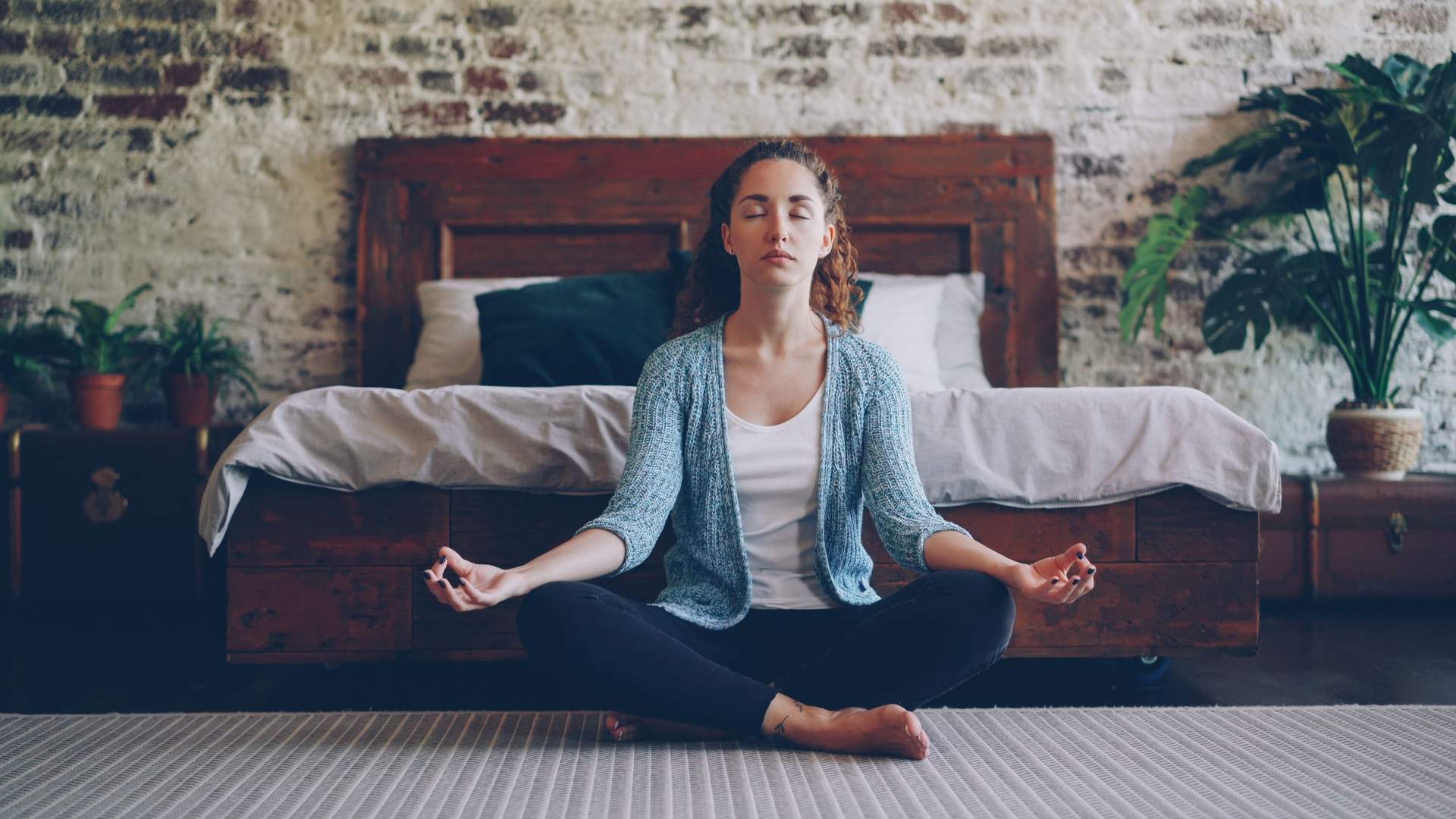
If you notice a burning skin sensation, it’s important to consult your doctor and openly discuss any signs of anxiety. This helps ensure the right diagnosis and treatment plan. Also, try relaxation techniques like meditation or breathing exercises to lower stress levels.
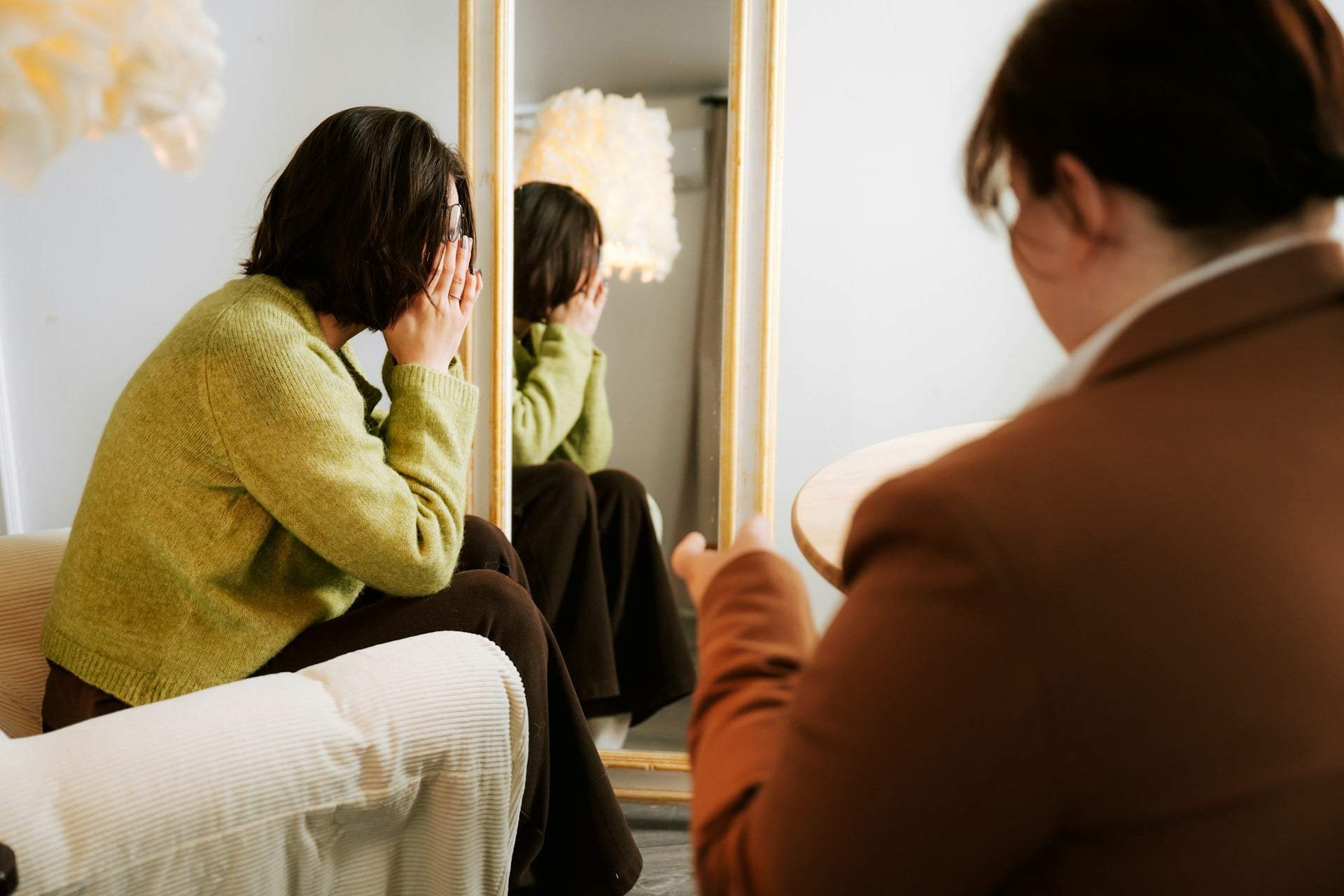
Many find psychotherapy, such as cognitive behavioral therapy, effective for managing anxiety. These therapies teach you to recognize anxious thoughts and develop positive ways to handle stress.
Lifestyle Changes
Lifestyle changes can also ease physical symptoms. Regular exercise, like light jogging or yoga, releases endorphins that reduce stress. Eating well, especially plenty of antioxidant-rich fruits and vegetables, supports overall health.
Ultimately, the burning skin sensation linked to anxiety deserves attention. Finding the right diagnosis and treatment not only soothes physical symptoms but also boosts mental well-being. Remember, body and mind health go hand in hand.