
When baby Cassian was recently born weighing 12.8 pounds (5.8 kg) in the UK, the news spread like wildfire. His birth stood out not only because of his near-record weight but also because his mom delivered naturally—something quite rare for babies this size.
What Counts as a “Big Baby”?
In medical terms, a “big baby” usually means a newborn weighing over 8.8 pounds (4 kg), and anything above 9.9 pounds (4.5 kg) is considered macrosomia. While once rare, cases like this have been increasing worldwide. The main factors behind it are maternal overweight, metabolic issues, and gestational diabetes.
Modern comforts, less physical activity, and processed foods can all lead to babies getting more energy than needed during pregnancy. This extra glucose fuels fat storage and faster growth. Genetics also play a role, but rarely explain extreme weights alone.
Why Is It Risky When Babies Grow Too Big?
Being big isn’t a disease, but it can increase risks during and after birth for both mom and baby. Labor may take longer, with higher chances of tearing and uterine injury, and cesarean sections become more likely. For babies, shoulder dystocia or blood sugar swings can be dangerous during delivery and the first days after.
That’s why early detection and management of gestational diabetes is so crucial—high blood sugar is a common trigger. But not every “big baby” is born due to diabetes; unbalanced nutrition, inactivity, and stress together can also lead to excessive fetal growth.
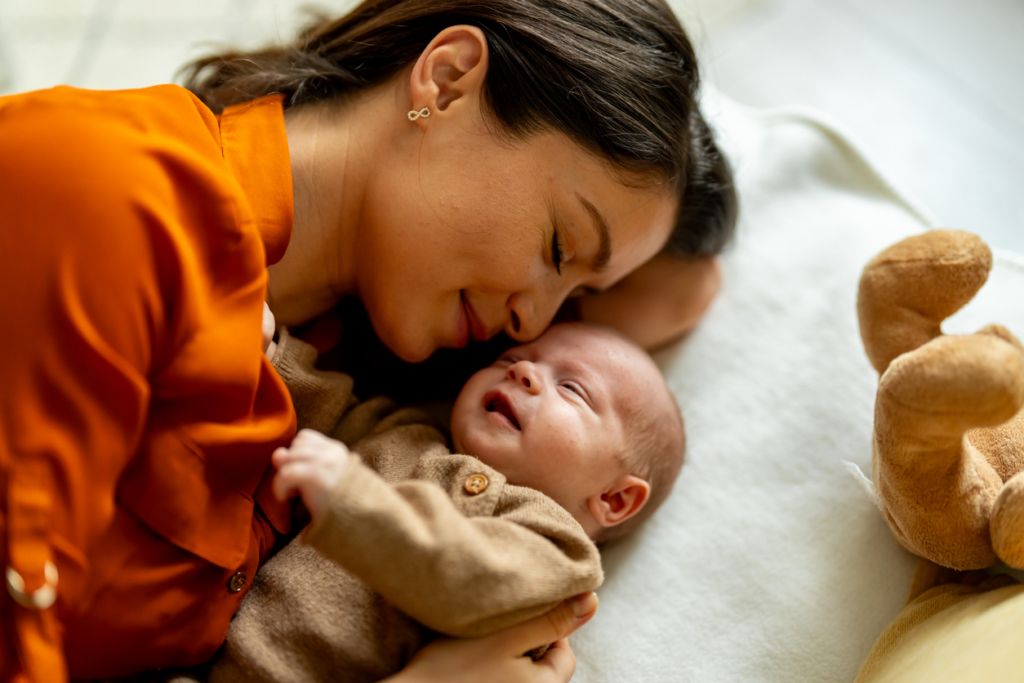
Cassian Isn’t Alone: Stories of “Big Babies”
While Cassian’s 12.8 pounds is impressive, he’s not the only record-breaker. In 2023, a baby boy named Sonny was born in Canada weighing over 13.9 pounds (6.3 kg), making him one of the country’s largest newborns on record. Sonny’s mom, Brittney Ayres, said she always felt he’d be big but didn’t expect such a surprise. Doctors reported a smooth delivery, and Sonny is healthy today.
The world record for the largest baby ever born belongs to a 19th-century American newborn: According to Guinness World Records, in 1879 in Ohio, Anna Bates gave birth to a 22.5-pound (10.2 kg) boy. Sadly, the baby lived only a few hours, but this case remains one of the most astonishing in medical history. Researchers believe a mix of hormonal and genetic factors likely caused his extraordinary size.
These extreme cases are rare but remind us how much pregnancy health and lifestyle shape baby growth. Maternal blood sugar control, hormonal shifts, and even fetal insulin sensitivity can influence if a baby grows larger than usual.
So, What Can Moms Do?
The best news? Most risks can be lowered. Eating a balanced, fiber-rich diet helps keep blood sugar steady, while regular, moderate exercise—like walking, swimming, or prenatal yoga—supports healthy weight. Regular blood sugar checks are key, especially with a family history of diabetes. Doctors also recommend mindful weight management before pregnancy, since losing just 5–10% of body weight can noticeably reduce risks.
Ultimately, stories of “big babies” aren’t just fascinating—they’re a wake-up call. While we can’t control everything, many small choices add up to a huge difference—not only in baby’s birth weight but in lifelong health.