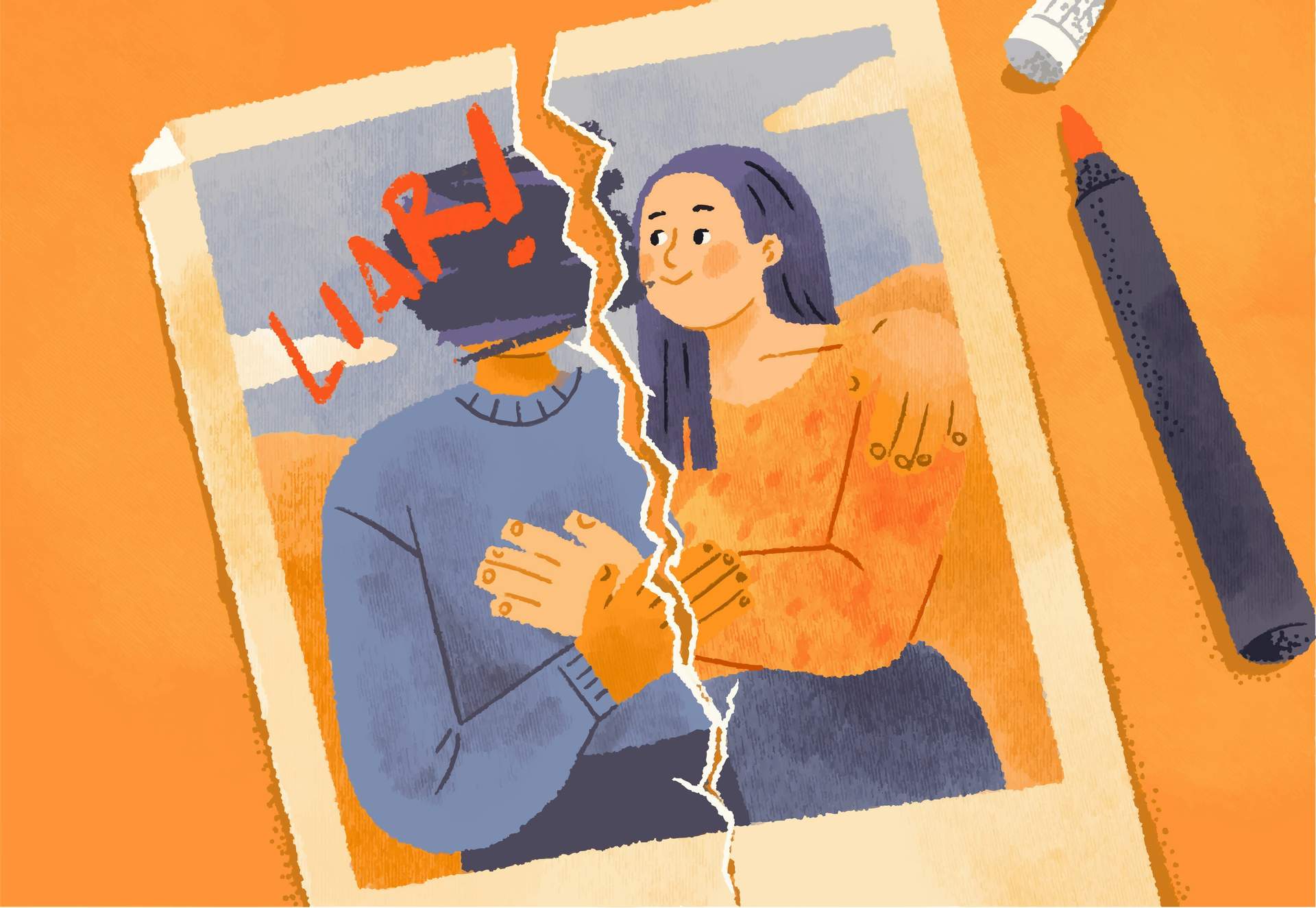
Almost everyone has heard some version of it at a vulnerable moment: "You should be grateful — others have it so much worse." It usually comes from a good place. The person saying it wants to offer perspective, to remind you that things could be harder. But here's the truth: this phrase almost never helps. In fact, it often makes things worse.
Personally, I have never once felt better after hearing it. The logic simply doesn't work on me — imagining someone in a harder situation doesn't make my own pain feel smaller or more manageable.
What actually happens is that I end up feeling bad about my situation and guilty for feeling bad about it in the first place. That's a deeply uncomfortable combination to sit with.
There's also something quietly cruel about the whole idea. It implies that we should find comfort in other people's suffering — that knowing someone else is worse off should somehow ease our own pain. Not only does that not work for me, it doesn't feel healthy either. Why would I feel relieved knowing someone else is struggling even more? What kind of comfort is that, really?
The real problem: confusing perspective with dismissal
At the heart of this is a confusion between two very different things: gaining perspective and having your feelings invalidated. Yes, stepping back and looking at the bigger picture can sometimes be genuinely useful. But that's not what happens when someone brushes off your pain with a single sentence.
In psychology, this is known as emotional invalidation — when someone communicates, whether intentionally or not, that what you're feeling is an overreaction, unwarranted, or simply not important. Over time, these kinds of responses can cause real damage. People start to doubt their own emotions, asking themselves: "Is this actually that bad, or am I just being dramatic?" That kind of self-doubt doesn't help anyone heal or grow.
It's also worth drawing a clear line between two things that often get confused: constantly placing yourself in a victim role — feeling helpless in every situation and refusing to take any ownership — and simply allowing yourself to acknowledge that something is hard.
The first is a pattern worth examining. If someone is genuinely stuck in a cycle of helplessness, a trusted friend gently challenging that perspective can be meaningful. But recognizing and naming that something is exhausting, painful, or too much? That's not a victim mentality. That's the foundation of self-awareness and real self-care. It takes honesty, not weakness.
Two things can be true at once
Someone else having it worse does not make your situation easier. That's not how pain works. Both things can be true at the same time: you can be, on balance, fortunate in life — and also be having a genuinely hard time right now. These two realities don't cancel each other out.
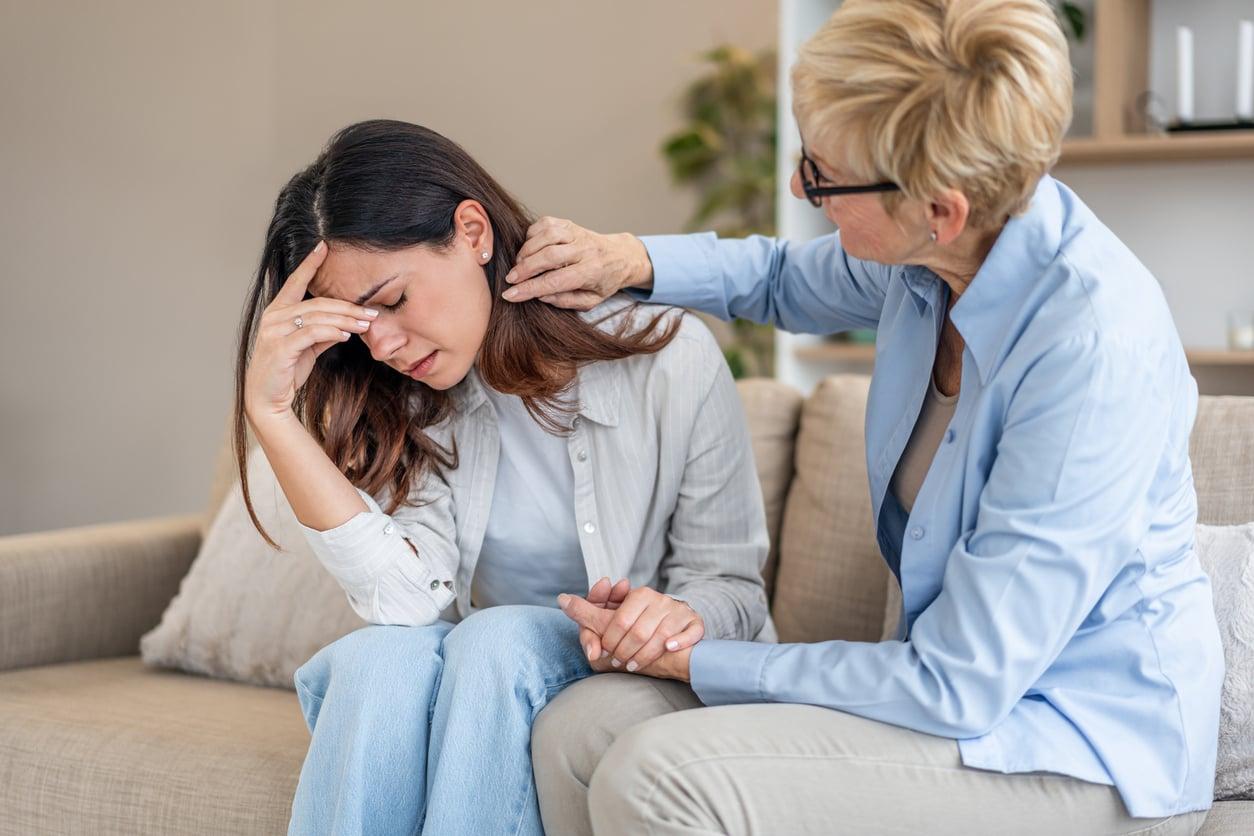
Phrases like "others have it worse" often get said because we simply don't know what else to say. Sitting with someone else's pain is uncomfortable. We reach for a quick, tidy response that closes the conversation — but in doing so, we take away the one thing the other person actually needed: to be heard.
Sometimes the most powerful thing you can offer someone isn't a reframe or a silver lining. It's just presence. Listening without rushing to fix. Letting them feel what they feel without measuring it against someone else's suffering.
That kind of response is rarer — and worth so much more.