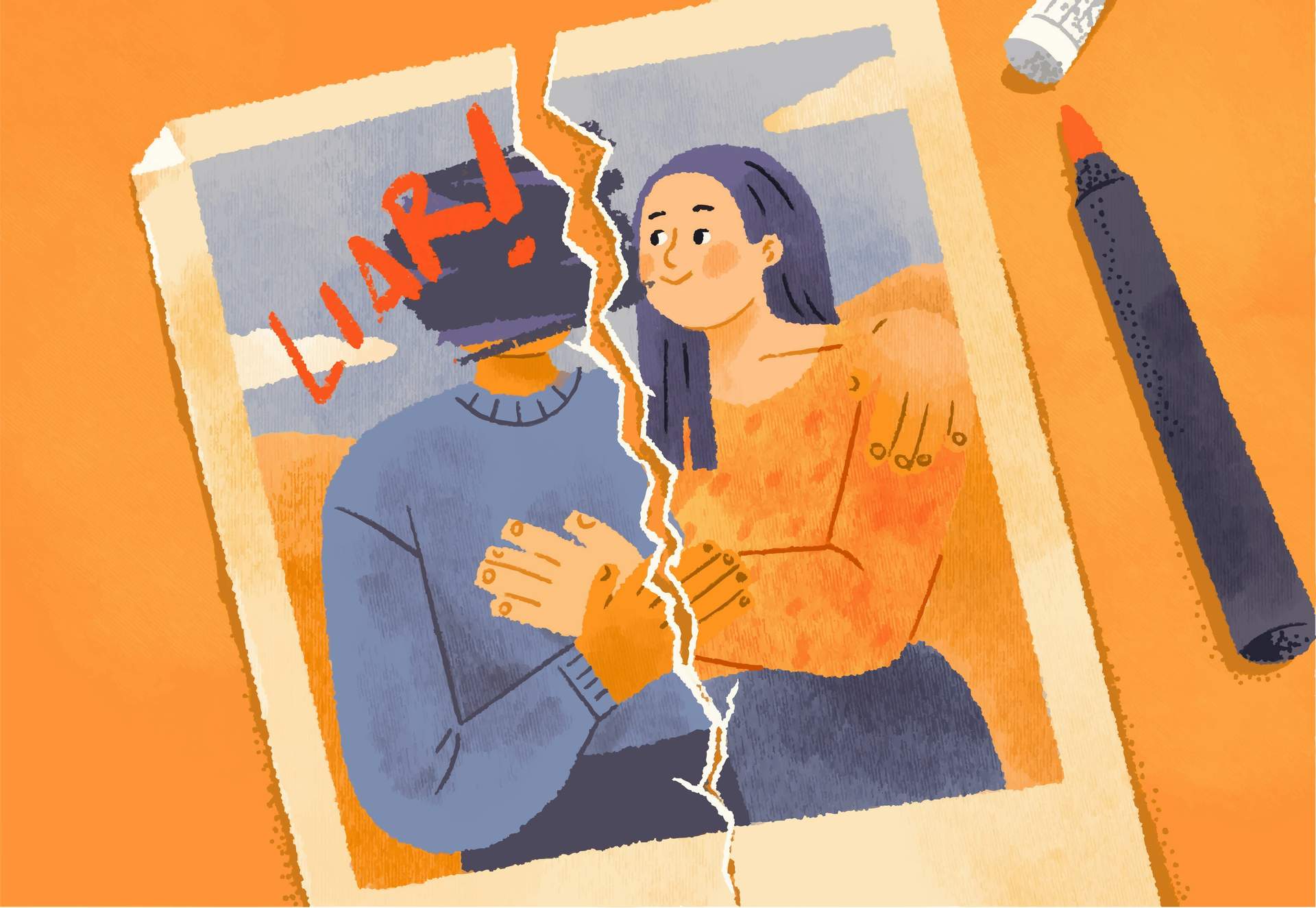
Growing up white and Hungarian in Hungary, I used to think racism was mostly theoretical. Of course, I knew about it. I heard remarks, saw how people talked about “others,” sensed the systemic inequalities—that those with different skin tones faced more obstacles, had fewer chances, and worried about things I never had to. But none of it ever felt personal. It wasn’t directed at me. It wasn’t about me. That made it easy to believe I understood the problem—while really, I was just an outsider looking in.
That changed when as an adult, my partner came from a half Arab, half Hungarian marriage. He grew up here, speaks Hungarian as his first language, and lives by Hungarian cultural codes. Often, no one even notices his background—until he says his name. Then something shifts in the air. A half-smile, a question, an “ah, I see,” usually followed by a joke. Or something meant as a joke. Not meant to be hurtful. But it still tightens my stomach.
Because racism doesn’t always shout
Often, it’s quiet, “harmless,” teasing. It comes in remarks that carry prejudice but are delivered with a laugh. And I’ve noticed these bother me way more than they bother him. He usually just shrugs or smiles forgivingly. He’s used to it. Doesn’t take it personally. He knows it’s not about him—it’s about those who say it. But me—because I love him—I get hurt for both of us. I get angry. I get uncomfortable. I want to speak up. To protect him. Even when he doesn’t ask me to.
One of the hardest lessons in this relationship was learning that his experience isn’t mine. That it’s not my job to react for him in every situation. That my well-meaning outrage sometimes says more about me than about him. About how shocked I am by what’s everyday life for him. And while I’m still learning all this, he’s long ago built survival strategies.
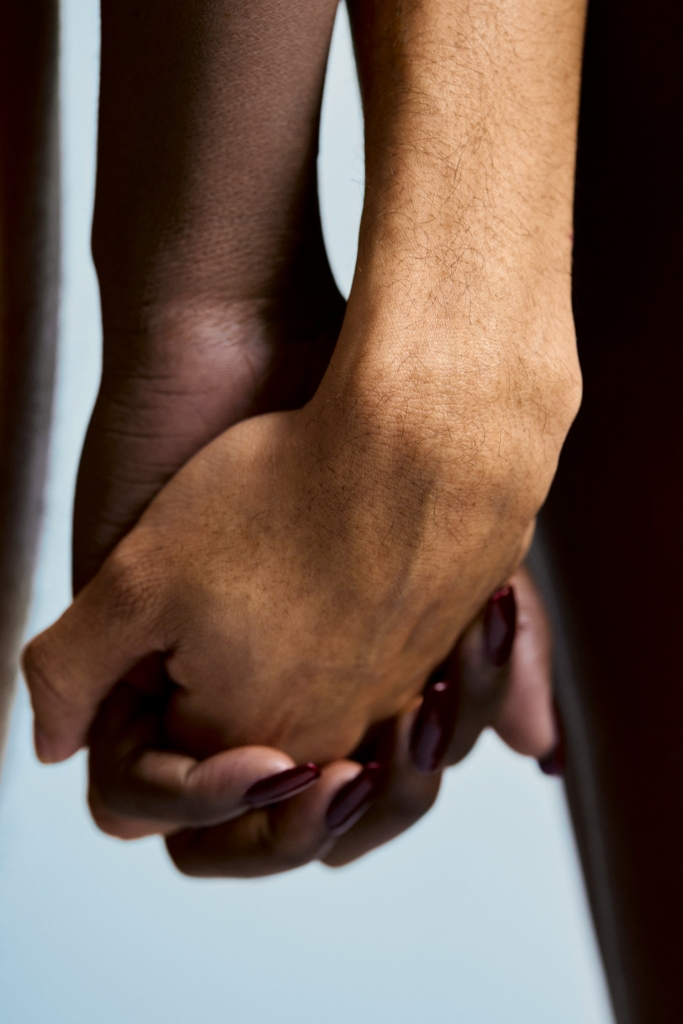
I had to learn to listen. To ask what he’s comfortable with and what he’s not. When he wants me to stand up for him—and when it’s better to just move on.
I had to accept that I can’t change our environment overnight, and that not every battle is mine to fight.
But I also learned that some battles are mine. When silence only normalizes what shouldn’t be normal.
The challenge isn’t just in others’ reactions. It’s in suddenly seeing the country and community I once moved through comfortably in a new light. I notice things I knew before, glimpsed even, but never from the vantage point that reveals the problem so clearly. And that can hurt. Tire me out. Make me angry. But it doesn’t weigh on our relationship—it just makes reality clearer.
What’s certain, though, is that none of this matters to my partner. It doesn’t shake him or make him doubt. Because I love him. Not an identity, not a background, not a label—but him. And no silly, narrow-minded prejudice will ever shake that love. If I’ve learned anything, it’s that these remarks don’t define us. They define those whose world still fits into a few tired clichés.