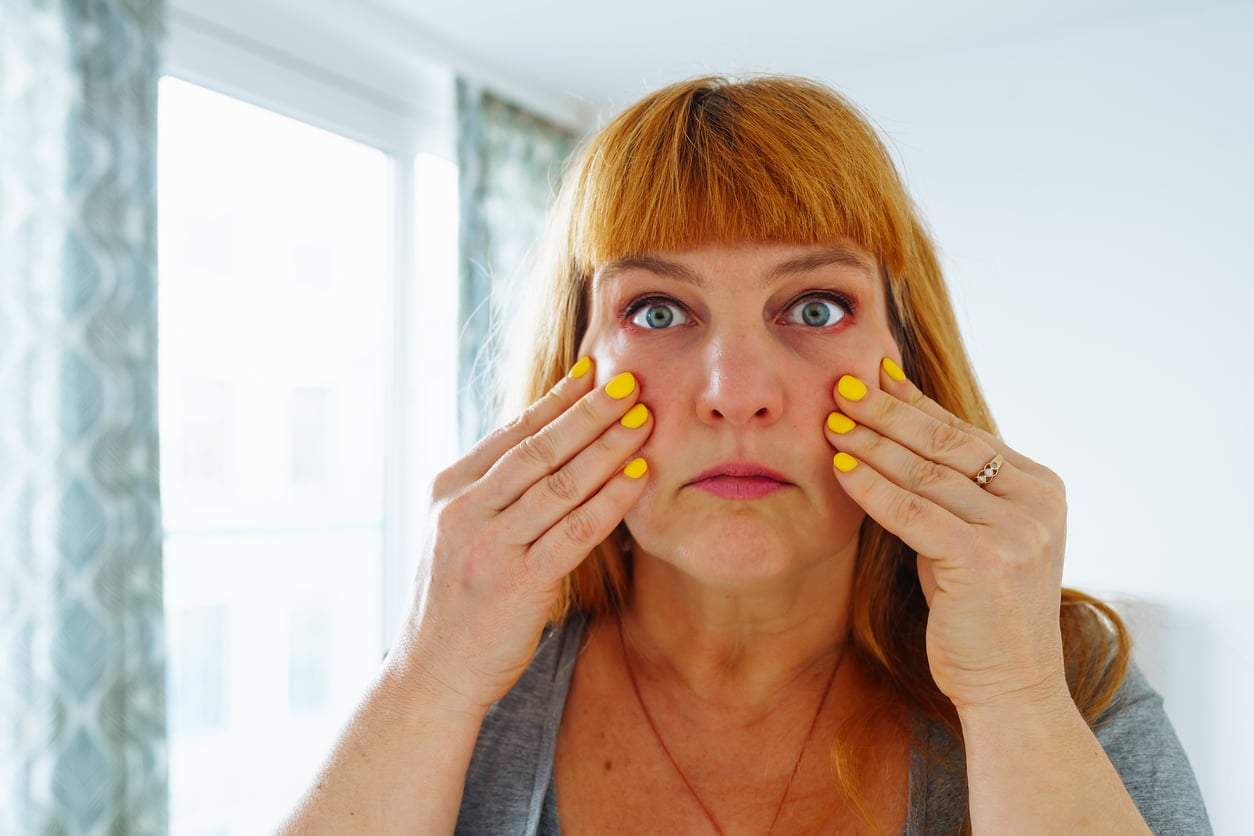
Aging is an unavoidable part of life. While natural changes come with it, how we respond can vary widely. This depends a lot on our social norms, personal habits, and genetics. So, where’s the key to turning back time? Why do some people feel aging’s effects sooner than others?
Biological and Genetic Factors
Genetics plays an undeniable role in aging. Studies show that genes affecting telomere length greatly influence our health and appearance as years pass. Telomeres are protective caps at the ends of our cells that limit how many times cells can divide. As they wear down, cell renewal slows, leading to sagging skin, wrinkles, and other early signs of aging.
Family history also matters. If your ancestors lived long, active lives, chances are you can too. While we can’t change our genes, a mindful lifestyle can shape how they express themselves.

Environmental and Lifestyle Influences
Genetics is just one piece of the aging puzzle. The constant pressure and stress of modern life also speed things up. Ongoing anxiety—whether from work or personal life—raises cortisol levels. High cortisol weakens the immune system and accelerates cell damage, indirectly speeding up aging.
Our environment plays a big role too. Polluted air, cosmetics loaded with harmful chemicals, and poor-quality food all contribute to early aging signs. Smoking and drinking are well-known culprits, damaging skin and internal organs over time.
Winning Moments: The Power of Stress Management
Learning to manage stress is a game changer for slowing aging. Meditation, yoga, or any relaxation technique not only reduce stress but boost overall well-being and support the body’s natural healing.
Unchecked stress can lead to serious health issues like heart disease, which lowers quality of life and lifespan. Regular exercise is another effective stress-buster. It balances hormones and helps the body recover from daily challenges.
The Role of Nutrition and Hydration
A balanced diet is key to healthy aging. Antioxidant-rich foods like berries and leafy greens are popular for slowing aging. They neutralize harmful free radicals that damage cells and speed aging.
Staying hydrated is just as crucial. Skin hydration links closely to its elasticity and youthful look. Dehydration leads to nutrient deficiencies and dry skin, so aim for at least 8 glasses of water daily.
Nurturing Healthy Social Connections
Friendships and family ties create a strong safety net against aging. Social support boosts mental and physical health. People with close connections often feel more active and fulfilled, naturally countering stress.
While aging touches us all, its pace depends a lot on us and our surroundings. Recognizing what influences us and how to stay youthful empowers us to shape both the length and quality of our lives.