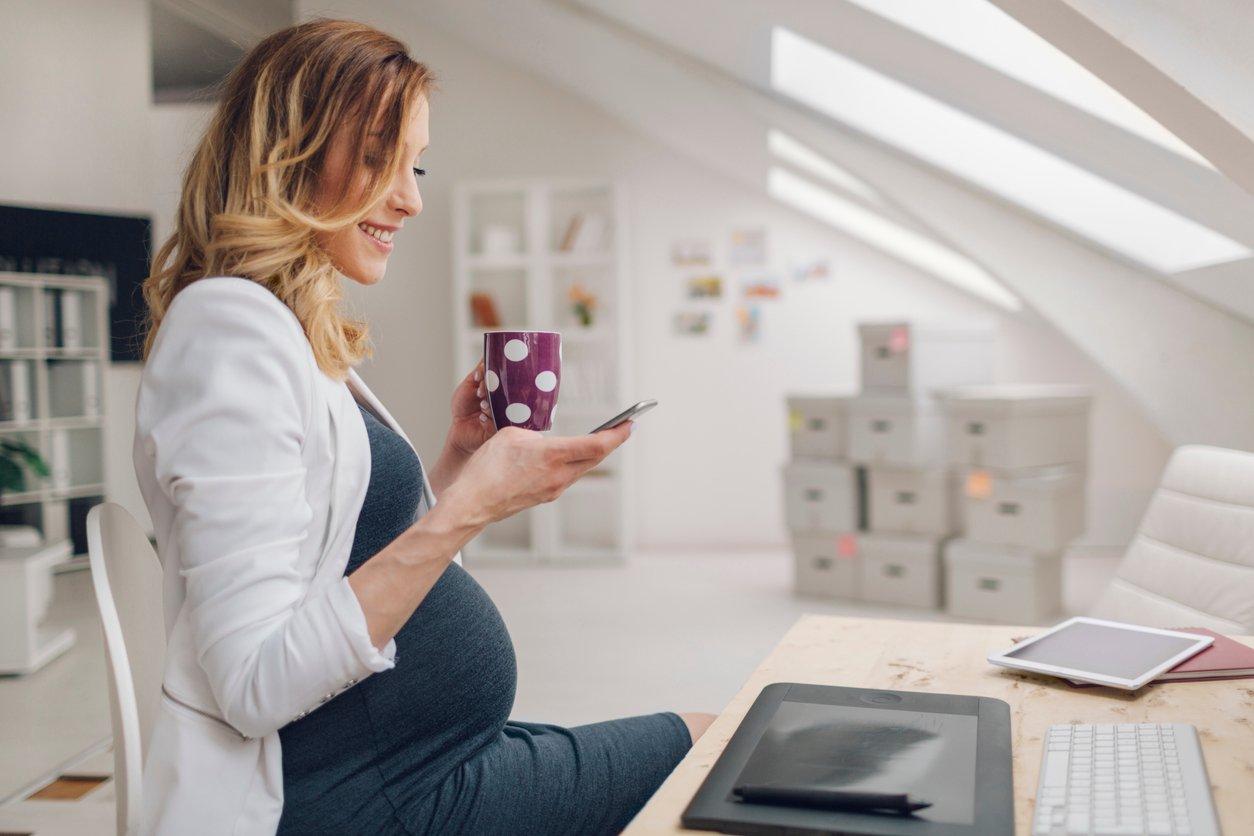
Hey friend! If you’re expecting, you’ve probably heard tons of advice about what to eat and avoid during pregnancy. One hot topic is caffeine, a daily ritual for many, especially through coffee or tea. But can caffeine really affect your baby, and what does science say about it?
What Does Science Say About Caffeine During Pregnancy?
Caffeine intake during pregnancy has been studied for years, with researchers aiming to understand its possible effects. A 2010 study published in the Journal of the American Medical Association found that high caffeine consumption might increase the risk of miscarriage.
Women who consume more than 200 mg of caffeine daily (about two cups of coffee) face a higher risk.
Another 2021 study published in The BMJ found that more than 300 mg of caffeine daily may raise the chances of preterm birth and low birth weight. Still, these results can vary depending on factors like the mother’s lifestyle and health.
Tips for Caffeine Intake While Pregnant
If you’re wondering how much caffeine is safe, the general advice is to keep it under 200 mg a day. That’s roughly one cup of coffee or two cups of tea. Make sure to check how much caffeine your favorite drinks contain, since energy drinks and sodas can also pack a significant punch.
Caffeine Alternatives for Lovers of the Brew
If you don’t want to give up your morning ritual but worry about caffeine, try these options: decaf coffee or tea, fruit teas, or refreshing lemon water. There are plenty of tasty caffeine-free choices today that can satisfy your cravings without any risk to your little one.
While current research suggests that high caffeine intake might pose risks during pregnancy, moderate amounts are generally safe. Always make informed choices and chat with your doctor if you’re unsure. And listen to your body—if caffeine doesn’t feel right, it’s perfectly okay to skip it. Your health and your baby’s well-being come first!