For a long time, if someone asked me, "If you could have dinner with anyone, who would it be?" my answer was instantly Neil Gaiman. I loved how creative and unique his mind was, how deeply his love for storytelling shone through, and how his books opened doors to other worlds. I always dreamed of getting a glimpse inside his thoughts, taking a walk through his mind, and seeing how this curious machine worked from within.
Then suddenly, the articles appeared. Young women’s testimonies about the terrible things Gaiman had done to them. And my world shattered. Even him?!
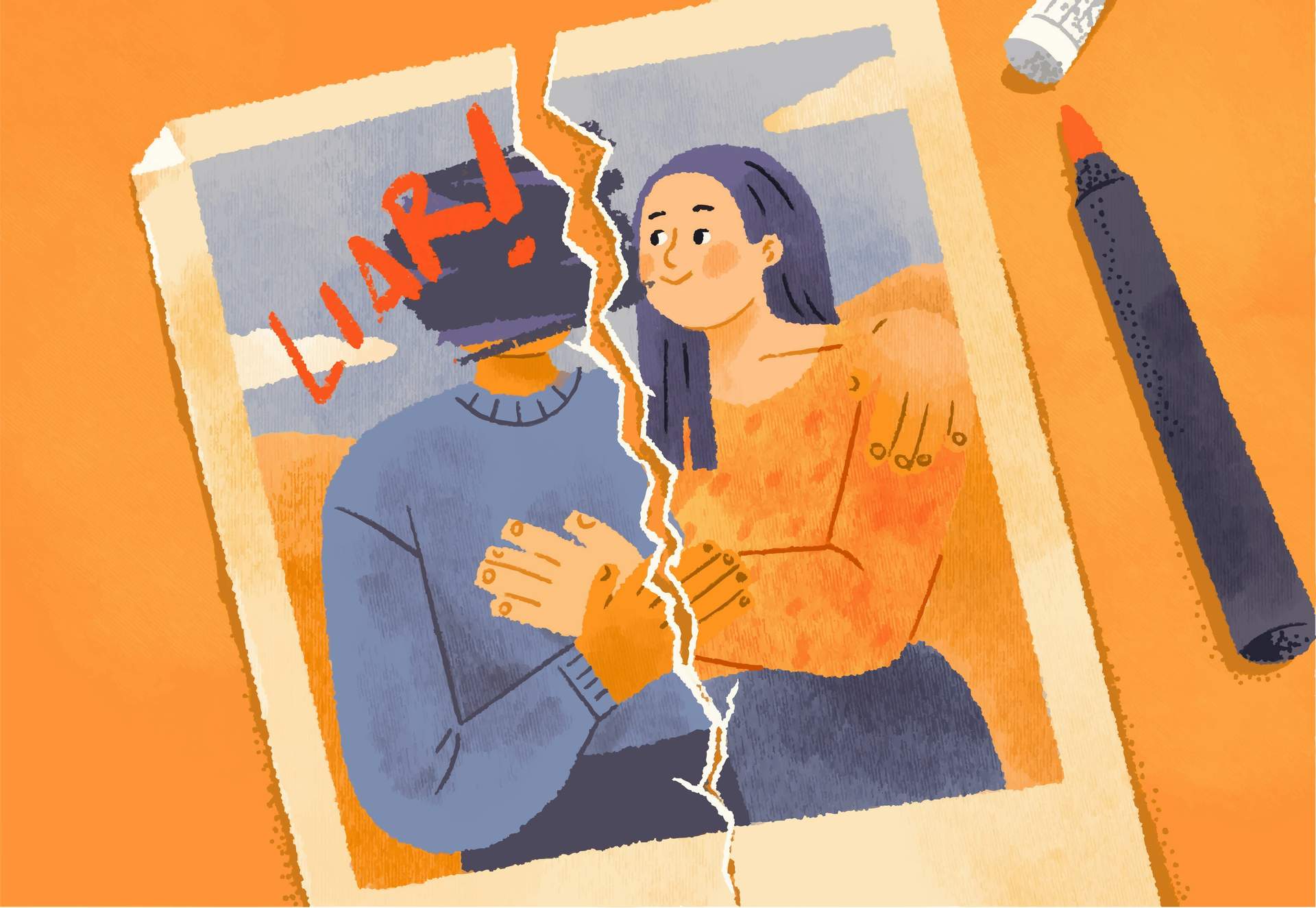
I felt like something was ripped out of my heart. Like I’d been deceived—I didn’t know this person at all. But did I ever really know him, or did I just imagine someone based on what he showed his readers?
There I stood in front of my bookshelf, staring at his volumes, unsure what to do with them. Could I still read them? Or would I see the face of the offender on every page? Is it ethical to keep admiring a genius when I know a monster wrote those lines?
This dilemma isn’t new, of course. The world has debated for decades: can we separate the artist from the person? Can I still watch Woody Allen’s films? Can I still consider Roman Polanski a great director?
And what about the classics? We now know many Western writers lived with serious abusive patterns. Géza Csáth was not only a brilliant writer but also his wife’s murderer. Should we still teach him in schools after that?
I don’t believe the answer is black and white. I don’t think the solution is to erase everyone who turns out to have done morally unacceptable things from our culture or art history. For one, the past can’t be erased. For another, these works are often truly groundbreaking, and we wouldn’t understand a slice of art history without them.
What’s crucial, though, is not treating these creators as untouchable demigods or sacred cows who can’t be criticized. For example, when Polanski’s films are praised, I often hear, "But you can’t mix his art with his private life." Yet separating the two isn’t simple—and can actually be harmful.
It’s harmful because it can seem like talent excuses wrongdoing. As if a brilliant novel, a groundbreaking film, or a painting frees the creator from responsibility. That’s a huge mistake. Someone can create amazing works and still be a bad person. And yes, it’s important to talk about this.
If we stay silent, push it aside, or say, "Only the work matters, not the person," or pretend bad people can’t be great creators, we reinforce the false idea that predators only lurk in dark alleys, wearing trench coats with twisted smiles. But reality is very different.
Offenders often stand right in the brightest spotlight: successful, influential, respected. Sometimes even talented. And that’s what makes them the scariest.
As a society, we won’t truly face the many forms of violence until we recognize that anyone can be a bad person. A professor, writer, actor, or musician. We shouldn’t judge by looks, success, or genius—but by actions. And to accept this, it’s essential to say: the work itself might be wonderful, but we don’t want to share any community with the creator.
I still love Gaiman’s books today. When I read them, I have to admit they haven’t gotten worse than when I didn’t know what their author was capable of. But I wouldn’t want to have dinner with the creator now. I don’t even want to hear about him.
But I think the most important thing is to learn that fandom should never come at the expense of clear judgment. We can appreciate the value of works while remembering the person who created them did terrible things. And maybe this duality can finally help us stop hiding from reality and face both sides.