The Shift of Trust: Knowledge Versus Relationship
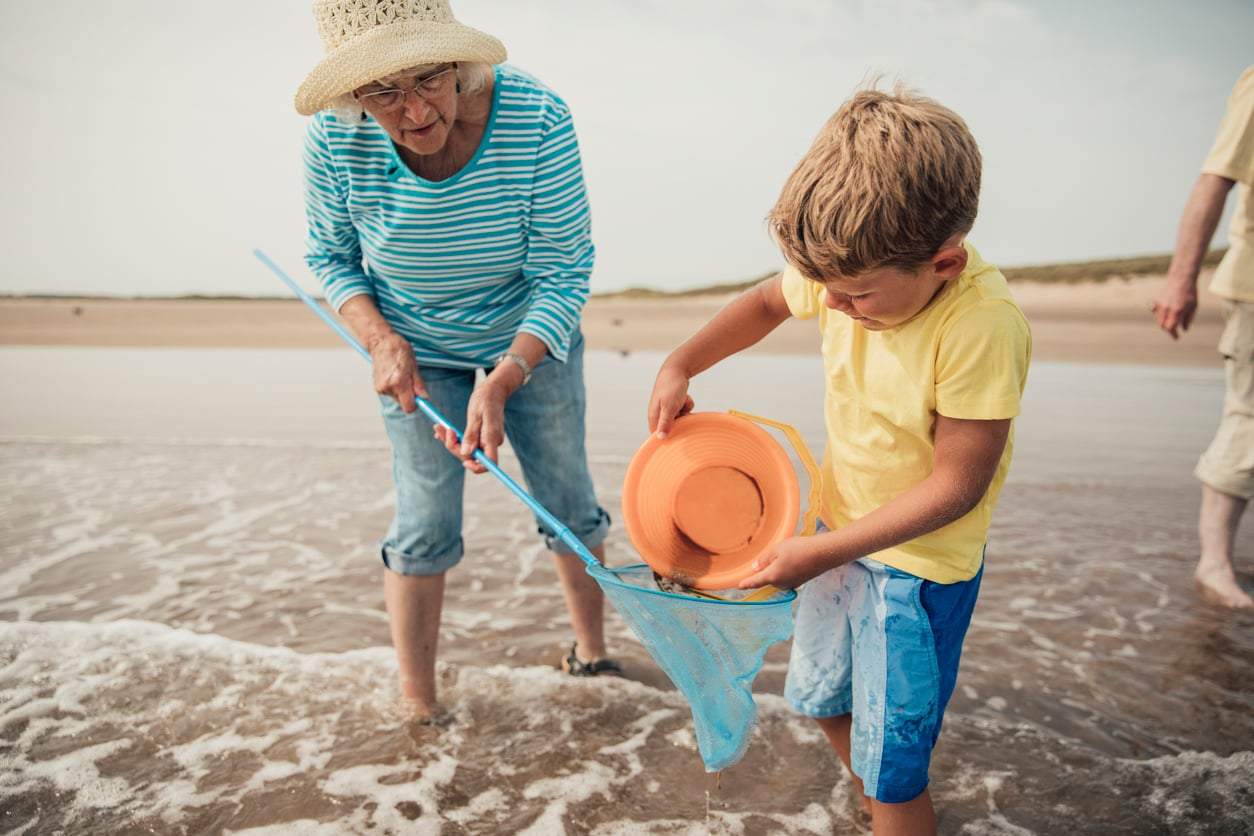
For children today, knowledge no longer primarily comes from personal sources – such as parents, grandparents, or teachers – but through digital channels. An innocent question like "Why is the sky blue?" would have previously provided an opportunity for a shared conversation, storytelling, or perhaps a little scientific explanation in grandpa's style. Today, this question often lands in Google search with just a single click.
Why do children prefer the internet over live, loving family relationships? One reason is that technology provides instant answers and presents information as seemingly objective and reliable sources. In contrast, grandparents' answers might be somewhat uncertain, seem outdated, or be too long and story-like. For children, a quick, simple answer is often more appealing – especially if it speaks their language.
Are We Losing the Magic of Shared Storytelling?
According to an article in Psychology Today, children's digital orientation not only transforms their information-seeking habits but also affects the quality of family connections. Conversations with grandparents are not just information exchanges but experiences, bonds, and traditions. When children turn away from these interactions, they miss not only individual stories but also the emotional threads that span generations. In other words, the continuity of family stories, the chain of customs and attachments, may be lost this way.
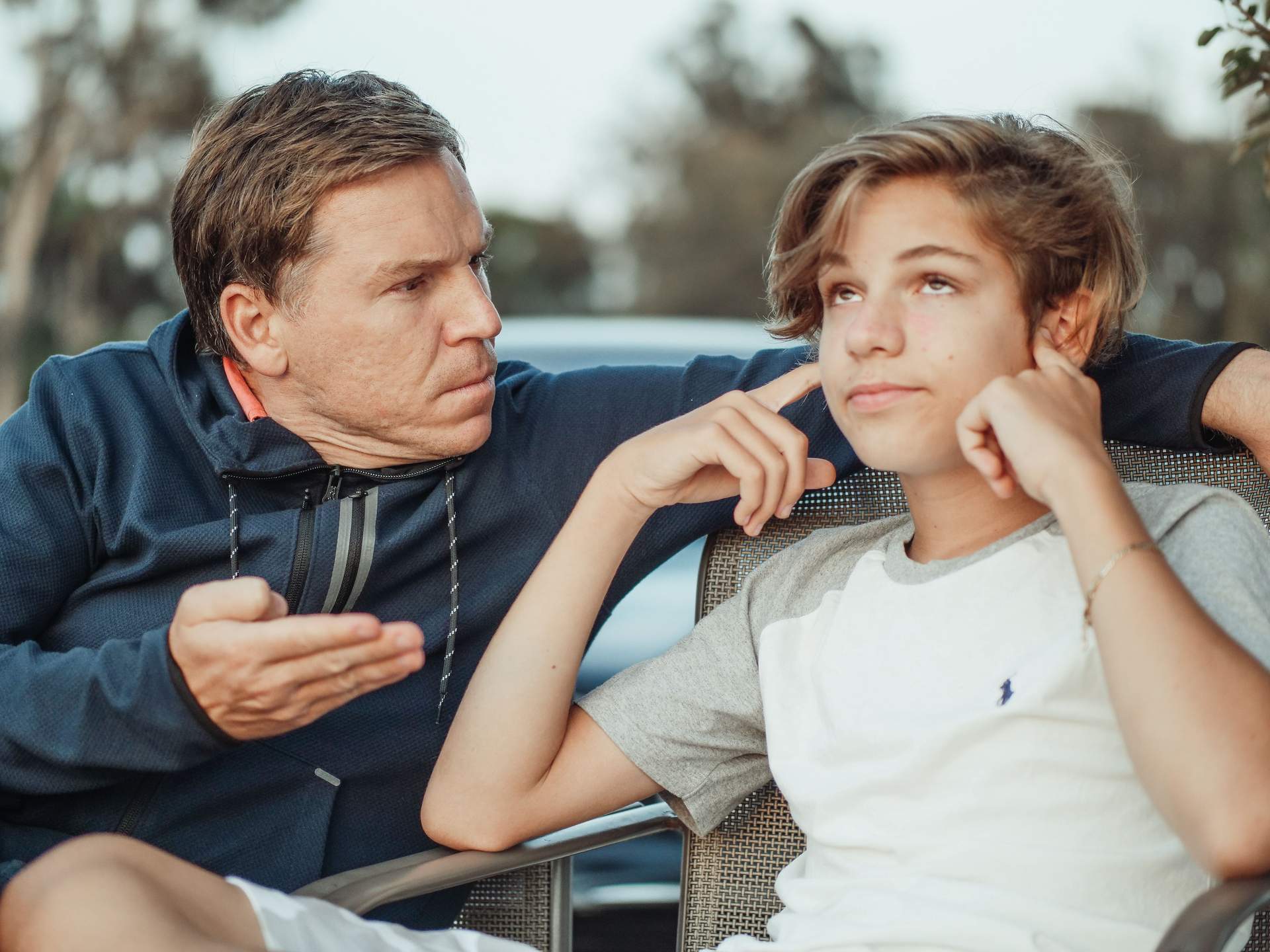
Generational differences have always existed, but now it increasingly seems that not only do we listen to different music or dress differently, but we also think differently about knowledge. Grandparental wisdom, which for decades was based on personal experience, now seems less reliable alongside a knowledge base selected by an algorithm. And this argument is quite hard to dispute.
What Could Be the Solution?
Experts say that no matter how worrying the phenomenon is, the solution is certainly not to exclude technology from children's lives – that would be neither realistic nor desirable. However, it is crucial that children learn that knowledge is not just "data" but a kind of wisdom born from relationships, experience, and storytelling.
Google cannot tell stories about how people lived during the war, cannot explain what it felt like to hold grandma's hand for the first time at a dance party, or what school was like fifty years ago.
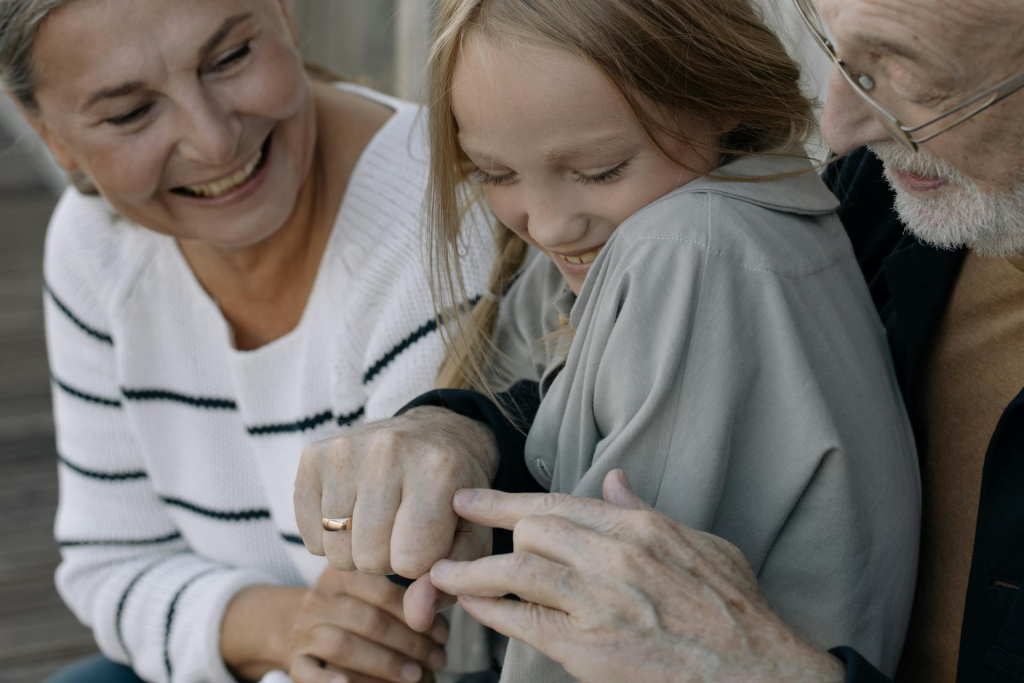
Parents and grandparents need to take on new roles in this digital world. They do not need to compete with technology; on the contrary, they need to offer experiences and relationships that no search engine can replace.
The fact that children trust Google more than their grandparents is not just a funny statistic – it is also a warning sign. The mental balance of future generations depends not only on the speed of information but also on the relationships they maintain with their environment. The role of grandparents has not disappeared – it has just transformed. If we find new ways to pass on wisdom, love, and stories alongside the digital world, trust can return – even if not at the speed of search algorithms.