Yet these tiny toes can tell us a lot: they might warn us about things happening deep inside our bodies that we usually have no clue about.
I remember a time when not only my toes but my entire soles were constantly ice-cold. Winter was one thing—I shrugged it off—but sometimes in summer, it felt like I’d kept them in an ice cellar. Back then, I was stressed, moving less, and my blood pressure was always on the low side—but whether that was the cause is hard to say.
One thing’s for sure: our toes often signal problems before they fully surface—we just need to learn to listen!
Cold Toes
Do your toes often feel cold even with socks on? Cold toes can be linked to an underactive thyroid, low blood pressure, or simply poor circulation. A routine blood test and regular blood pressure checks can help you uncover what’s behind those uncomfortable symptoms.
Swollen Toes
Ever wake up to find your toes puffy or swollen? If it happens often and can’t be blamed on tight shoes or a salty meal, it might be due to internal inflammation or circulation issues. According to Harvard Health, such swelling can be caused by rheumatoid conditions, lymphatic congestion, or hormonal imbalances.
Unusual Discolorations
If your toes change color, especially in the cold, it might not just be a natural reaction but Raynaud’s phenomenon. This happens when blood vessels overreact to cold or stress. While not dangerous on its own, persistent symptoms can signal circulation problems. Oxygen-deprived blood flow causes color shifts: first white, then purple, and finally red toes—something worth getting checked out sooner rather than later.
Non-Healing Wounds
A small cut near your nail not healing after days or weeks? That’s not just uncomfortable—it can be dangerous. Wounds on diabetic feet heal much slower and can lead to serious complications. If you notice this, see a doctor promptly!
Spoon-Shaped Nails
If your nails curve inward like tiny spoons that could hold water, it’s often a clear sign of iron deficiency—one of the earliest noticeable symptoms, according to the National Institutes of Health. Iron deficiency is common among women of childbearing age and children but can be managed with lifestyle changes and supplements if needed.
White Nails
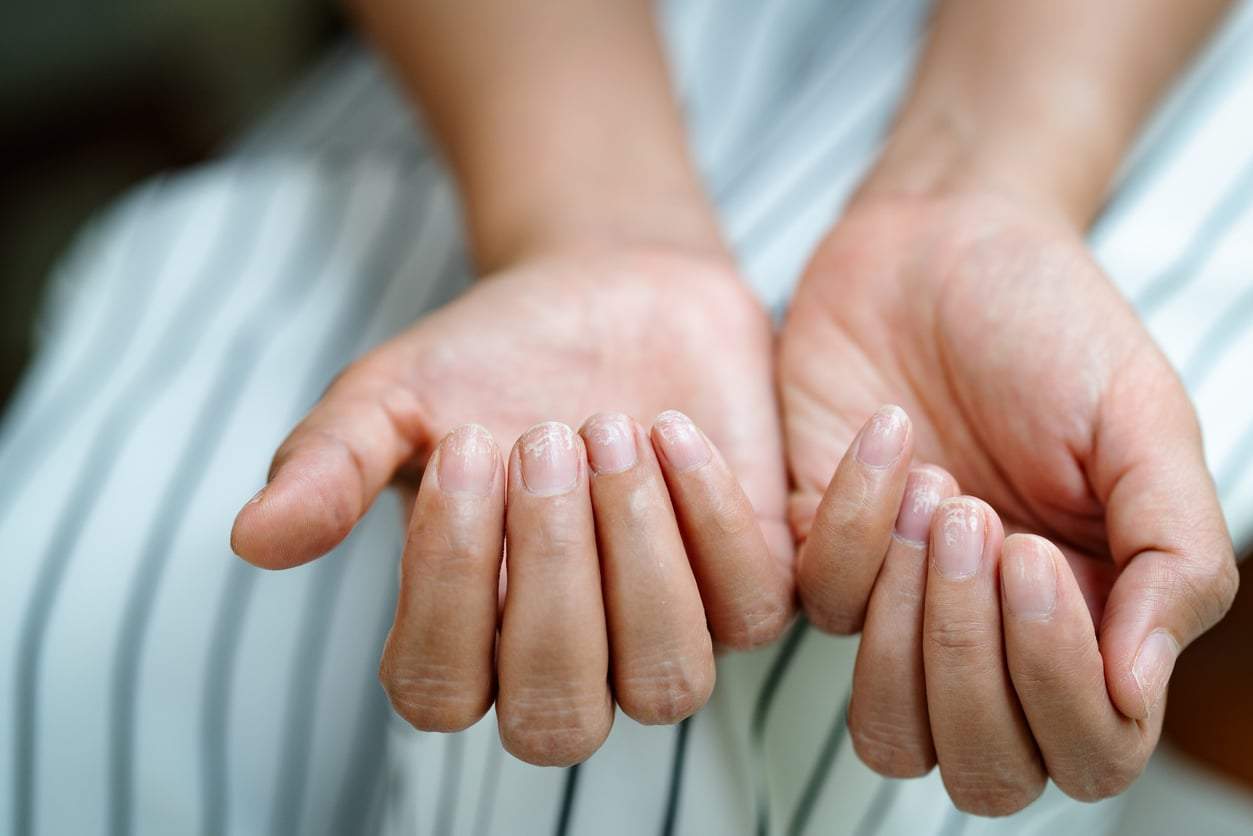
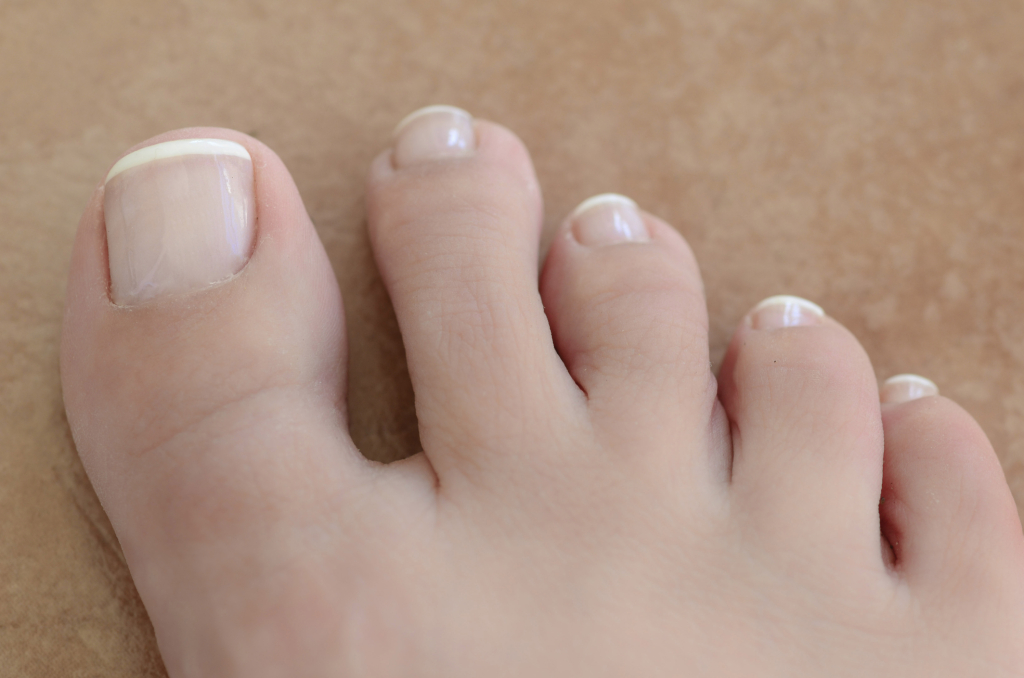
Are your nails completely white? This isn’t a sign of a perfect manicure. If your nail beds lack the usual pink hue and look white and matte, it could indicate liver or kidney issues or low protein levels. Time for a lab test! Don’t be alarmed by white streaks or spots, but don’t ignore them either—they might point to a zinc deficiency.
Yellow, Discolored Nails
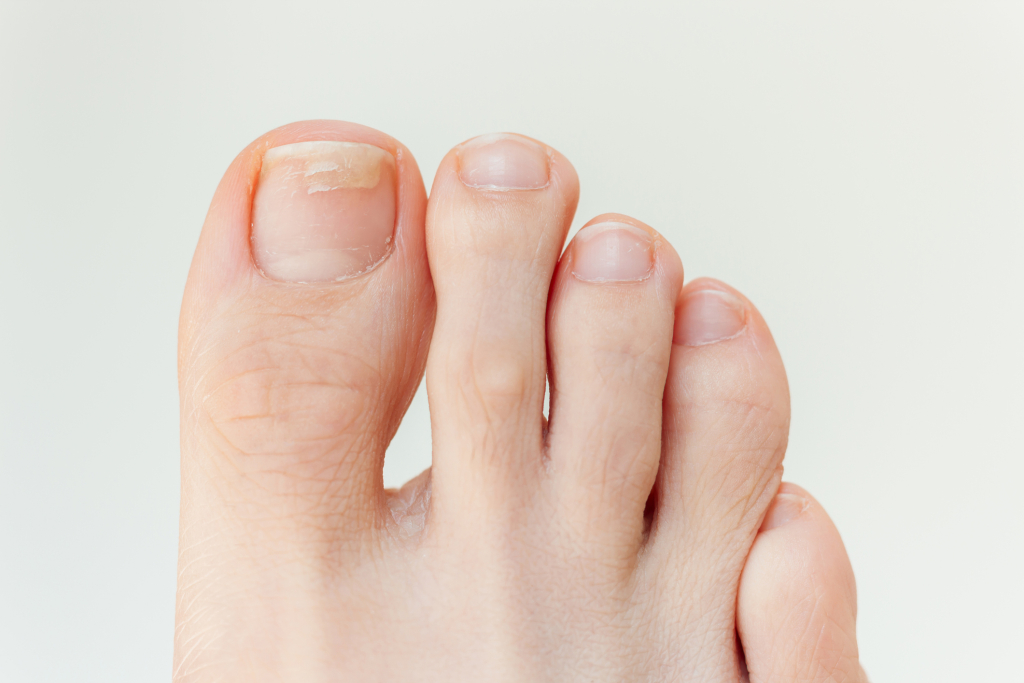
If your nails are yellowish, thick, brittle, or even separating from the skin, it could be a stubborn infection. The Cleveland Clinic notes such discoloration might be fungal but can also signal psoriasis or other skin conditions. Don’t ignore dark streaks either—if they’re not from injury, see a dermatologist.
Constant Itching Between Toes
Itching, especially with peeling, blistering, or burning, is a sure sign of a fungal infection—not necessarily caused by poor hygiene. You can easily catch it in public locker rooms, shared showers, or even during a relaxing wellness weekend. Prevention is key: wear breathable shoes, dry your toes thoroughly, use slippers in shared spaces, and sprinkle some foot powder now and then. Don’t forget to boost your immune system too!

Pain While Walking
If every step brings sharp or throbbing pain in your toes, it could mean nerve damage, bunions, or even stress—no, it’s not all the fault of those pricey, stunning high heels. Persistent pain definitely deserves a checkup—don’t put it off!
Deformed Nails
If your nails suddenly become bulbous, concave, or take on a shape you’re not used to, it’s likely more than a cosmetic issue—especially if the surface isn’t damaged and you haven’t injured your toes. The American Academy of Dermatology points out that changes in nail shapes can signal heart or lung problems, so it’s best to investigate early.
Instead of hiding your toes in closed shoes and thick socks, spend a few minutes on them each week! These tiny limbs, farthest from your heart, are super sensitive to internal imbalances and quickly show when something needs your attention.