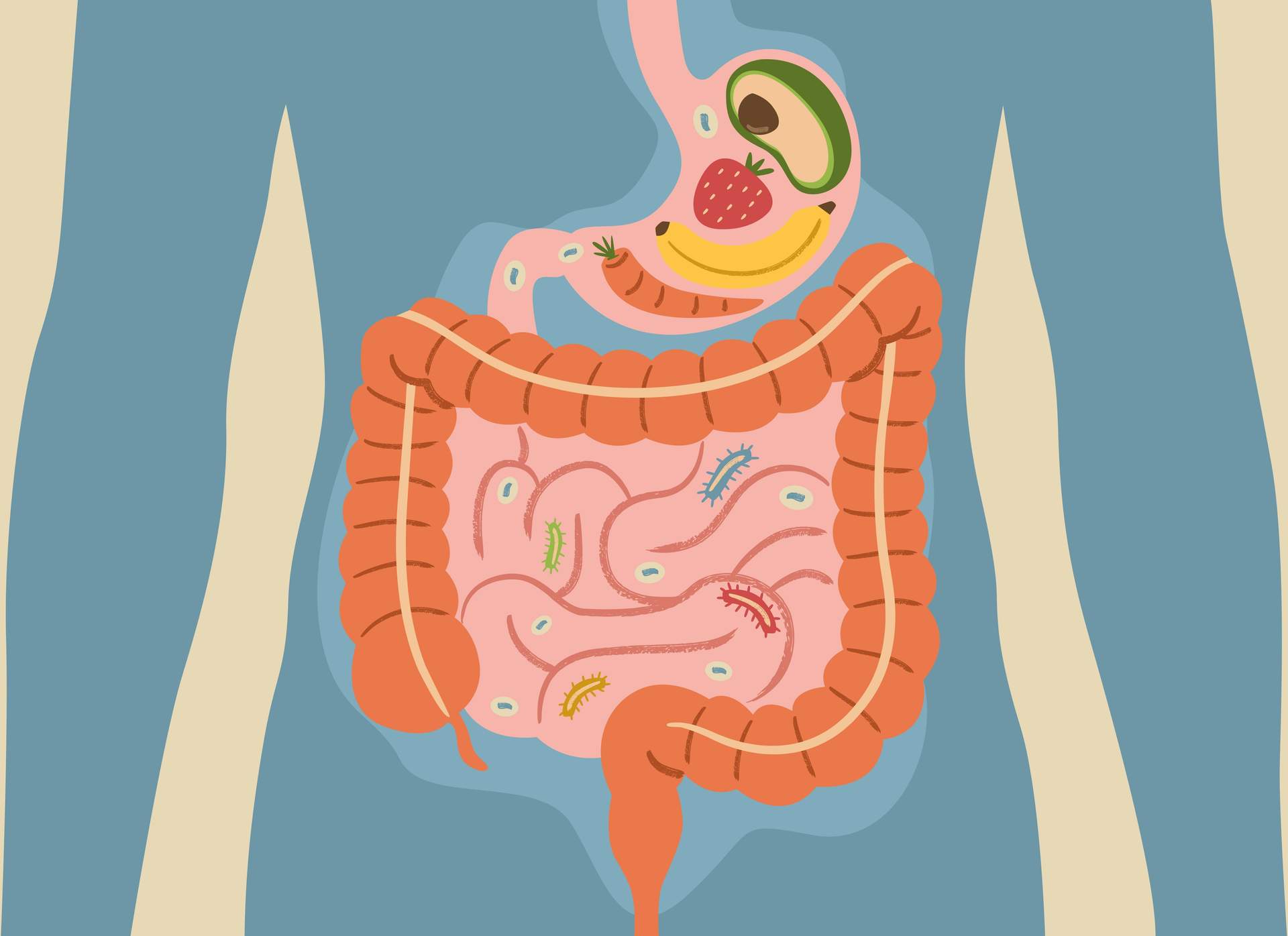
On an average day, you likely pass gas 8–14 times—and up to 25 times is totally normal. It’s your body’s natural way of releasing excess air circulating in your gut. Sometimes, though, gas feels stuck and can’t escape freely, leaving you feeling bloated and eagerly waiting for relief.
Every time you open your mouth, a bit of air enters your body—whether you’re eating, drinking, laughing, or talking. Plus, gut bacteria produce gas as they break down food, especially meals rich in fiber, dairy, starch, or sugar. Food intolerances and digestive issues like irritable bowel syndrome (IBS) don’t always block gas release but can increase gas production.
Whether it’s a little trapped air or a more serious digestion issue, the bottom line is: gas has to come out eventually. Luckily, there are ways to support this process. Let’s explore why gas gets stuck, what you can do at home for relief, and when to see a doctor.
Why Is It Sometimes Hard to Let Gas Go?
The answer often starts with your bowel movements. You might have mild constipation even if you go daily—meaning your bowels don’t empty completely. Built-up stool can act like a “plug,” trapping gas inside.
You might also unconsciously tighten the muscles around your anus—often due to stress. If you’ve ever tried to hold in a fart, you know exactly which muscles we mean. When these muscles stay tense, gas has a harder time escaping.
Or maybe more gas than usual is being produced. Since your intestines are about 4–5 meters (13–16 feet) long, the air has to travel all that distance to exit—more gas means a higher chance of a “traffic jam.”

What Causes Excessive Gas?
Often, your diet is the main factor. High-FODMAP foods (certain fibers and sugars) don’t absorb well in the small intestine, so bacteria in the colon ferment them quickly—leading to significant gas. Common culprits include:
- dairy products
- wheat
- garlic, onions
- stone fruits
- cauliflower, broccoli
- legumes
This doesn’t mean you have to cut them out completely, but finding the right balance can help.
Sparkling drinks, sugar-free products with sugar alcohols, and alcohol can also increase gas.
Keeping a food diary can help you spot which foods trigger your symptoms. In rare cases, an underlying digestive disease might be involved.
What to Do When Gas Just Won’t Budge?
Get Moving
Movement gets your digestive system going. Walking, cycling, or even marching in place can help move stool and gas along. Aim for 20–30 minutes of gentle activity for noticeable relief.

Change Your Position
Certain yoga poses—like downward dog, child’s pose, or happy baby—gently press your abdomen and relax your pelvic floor muscles, making it easier for gas to pass. Yoga also helps reduce stress, which can ease IBS symptoms.

Eat Fiber and Drink Plenty of Fluids
If constipation is behind your bloating, fiber and fluids are key. Water helps stool move, and fiber adds bulk, making it easier to pass. Great fiber sources include:
- bananas
- apples
- pears
- dried plums (prunes)
- pistachios
- almonds
- popcorn
- chia seeds
Important: increase fiber gradually to avoid making gas worse.

Relax
The more relaxed you are, the easier it is for your sphincter muscles to loosen. Try the 4–2–6 breathing technique: inhale for 4 seconds, hold for 2, then exhale slowly for 6 seconds. Repeat for 5–15 minutes. And yes, your body fully relaxes during sleep—that’s why the most natural “venting” often happens overnight.

Massage Your Belly
Use gentle, circular motions to massage your abdomen, starting from the lower right side, moving upward, then left and down—following the path of your colon. A 5–10 minute massage can ease discomfort.

Medication Help
Over-the-counter simethicone products can help break up gas bubbles, especially if the discomfort is higher up in the intestines. The lower the gas is trapped, the slower the medicine works—but it can still provide relief over time.

When Should You See a Doctor?
If these methods don’t help and your pain is severe or persistent, it’s a good idea to consult your primary care doctor or a gastroenterologist. Possible causes include:
- constipation-predominant IBS (IBS-C)
- small intestinal bacterial overgrowth (SIBO)
- rarely, bowel obstruction
It’s especially important to see a doctor if you have bloating along with these symptoms:
- changes in bowel habits
- blood in stool
- unexplained weight loss
These could signal more serious health issues.
The good news: most of the time, trapped gas is harmless and will pass on its own. Sometimes, all it takes is a little patience. As experts say: air always finds a way.