It’s totally okay—and actually smart—to spend as little time as possible in the kitchen during these hot months, especially on the hottest days, and to skip complicated meals that take hours to prepare.
But that doesn’t mean you can’t enjoy delicious, nourishing meals every day, with plenty of variety. To help you make things easier, Anna Tapolcsányi @dietetikusleszek, a final-year dietetics student, shares her expert tips.
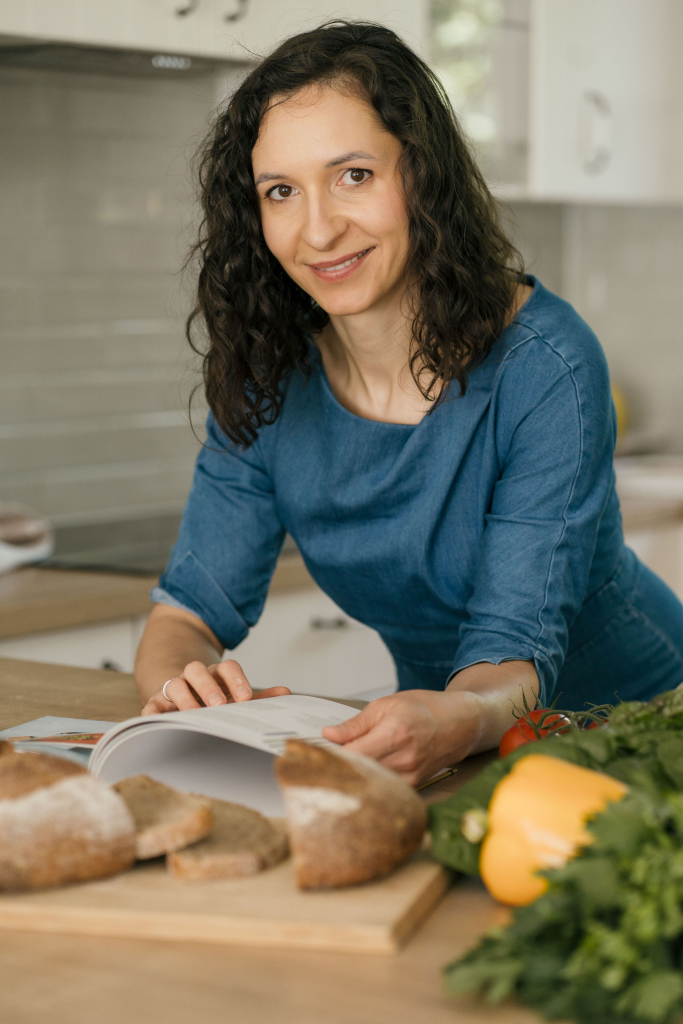
Meet the Expert
Anna Tapolcsányi
Final-year dietetics student
Photo: Annamari Lépő/@one.day.photoblog
What foods and drinks do we usually crave most in summer?
It varies from person to person, but many prefer cooling, juicy, and light dishes at this time. Think fresh salads, cold soups that don’t require cooking, vegetable stews, stuffed or layered veggies, and meat-free options.
Why choose simple, quick-to-make meals over long cooking sessions in summer?
Not turning on the oven keeps your home cooler and saves you from standing by the stove for too long. When it’s hot, our energy dips, so whipping up a light salad or smoothie can make meal prep much easier.
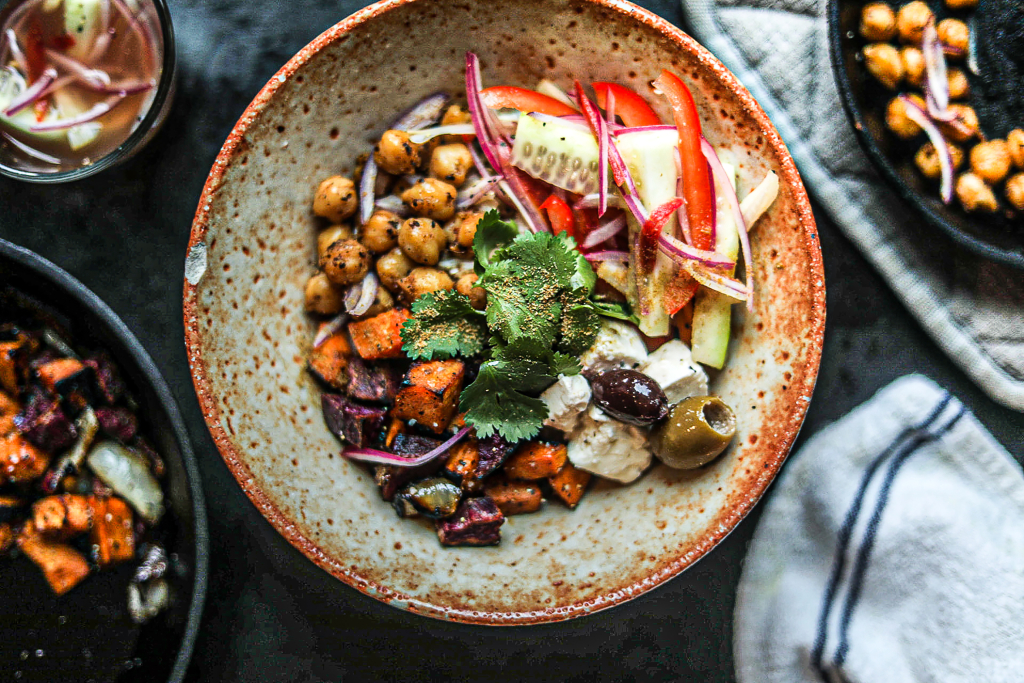
Don’t hesitate to use canned foods, like chickpeas for protein in salads or to make hummus. Wrap it in a tortilla with fresh veggies for a quick, nourishing meal.
Which pantry staples should you stock up on for quick, nutritious lunches or dinners?
- Dry or canned legumes like chickpeas, white beans, or red lentils—perfect for soups, stews, or salad toppings.
- Canned tuna, sardines, or mackerel—great for pasta, salads, or spreads and dips.
- Ready-made pasta sauces without artificial ingredients.
- Durum pasta, bulgur, couscous, or millet—combine with fresh veggies for a tasty side, like with grilled cheese.
How important is it to focus on fresh, seasonal ingredients?
This should be your guiding principle when planning meals. Locally grown produce travels less, which is better for the environment, your health, your wallet, and supports local farmers.
Produce from outside Europe often contains pesticide levels above recommended limits. Plus, if picked unripe for transport, it can’t compete in flavor or nutrients with local options.
What should we keep in mind when grilling or barbecuing?
Food safety is key: only take meat out of the fridge right before cooking to avoid bacteria growth in the heat.
Cook meat thoroughly, and if you prefer your steak rare, eat it immediately. Avoid burning your food, and refrigerate leftovers as soon as possible.
What snacks should we plan for?
Alongside meats, grill veggies like zucchini, eggplant, red peppers, and red onions. Serve fresh salads with sides like durum pasta, bulgur, or couscous.
What to do if you’re not hungry during the day because of the heat but have a big appetite at night?
This is common in hot weather, but eating most of your daily calories right before bed can disrupt your sleep. Aim for cooling, juicy, cold dishes during the day.
Cold fruit soups or gazpacho can be very refreshing. Smoothies, cold salads like pasta salad, or light vegetable stews such as zucchini or squash stew—even served cold—are great options.
A boosted sandwich or tortilla with grilled cheese or scrambled eggs and plenty of fresh veggies makes a perfect summer lunch. Don’t forget fruits—they’re ideal for snacks or dessert, refreshingly hydrating thanks to their high water content.
When might it be helpful to get expert advice on planning summer meals?
If your diet feels repetitive with the same few meals all the time and you want to eat more balanced, a good dietitian can assess your health, lifestyle, schedule, and shopping habits to suggest realistic changes and practical tips.
Cover photo: GaudiLab/istockphoto.com