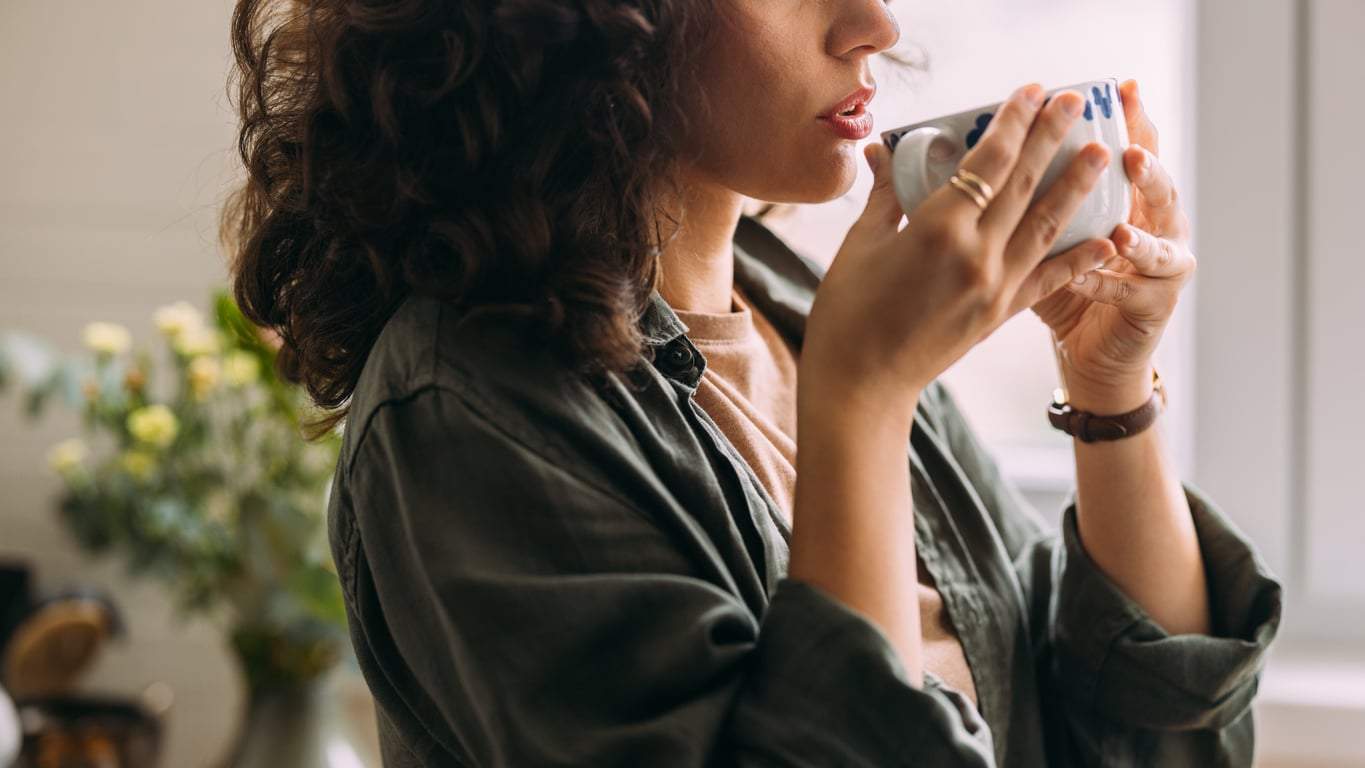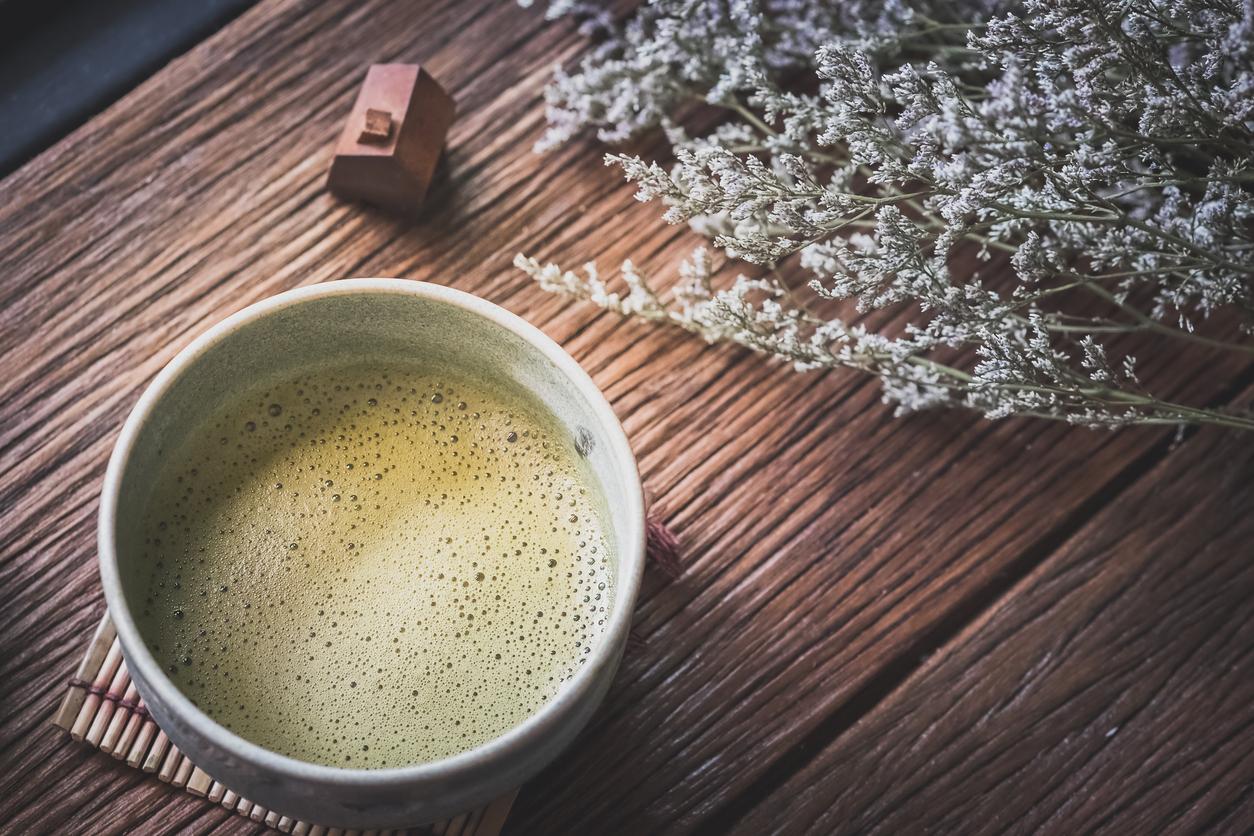
Vibrant green matcha is more than just a trendy drink these days: it’s a morning ritual for many of us, a slow, mindful moment before the day begins. But what if you crave that same cozy experience with softer, warmer tones? If caramel-brown hues and a gentler flavor call to you more than bright green, then keep reading.
The answer is hojicha, a roasted green tea from Japan quietly but surely making its way into cafes worldwide. Many call it “the new matcha” — but in reality, we’re witnessing a modern revival of a tradition that’s nearly a century old.
What Is Hojicha?
Hojicha (pronounced hoh-jee-cha) is a traditional Japanese green tea that, according to German Elle, was first crafted in Kyoto during the 1920s. Its uniqueness lies not in the leaves themselves, but in how it’s made.
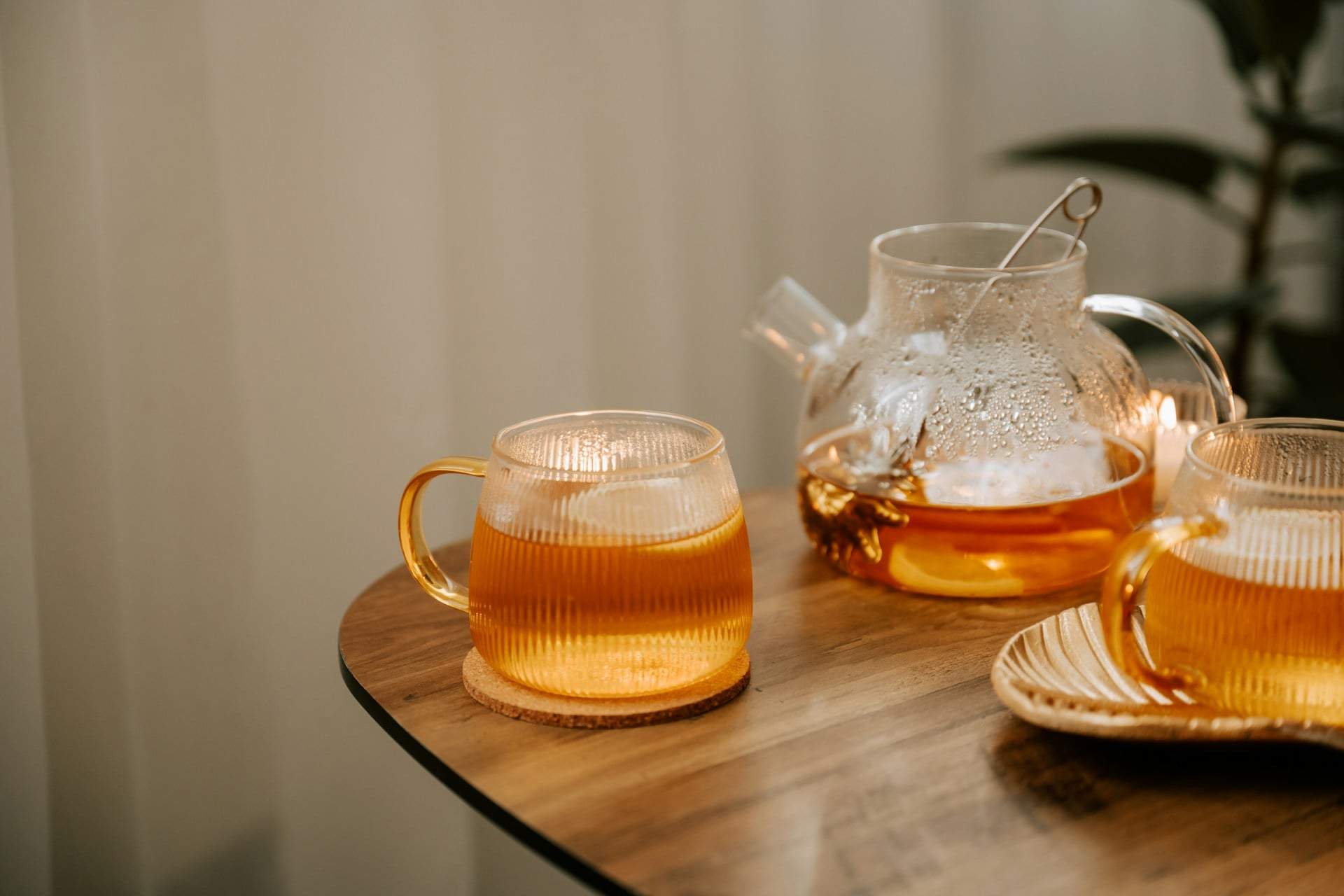
While matcha is made by grinding shade-grown tea leaves into a fine powder, hojicha’s leaves—and sometimes stems—are roasted at high temperatures. This roasting transforms the tea’s character completely: its bright green color turns into a warm reddish-brown, and its flavor opens up to a whole new dimension.
So, hojicha isn’t a “new invention” — it’s just now becoming truly popular in Europe.
Soft, Nutty, Caramel Flavor Experience
If you’ve found matcha’s bold, slightly grassy bitterness not quite to your taste, hojicha might pleasantly surprise you.
Thanks to roasting:
- Bitterness softens,
- Notes of nuts, caramel, and sometimes chocolate emerge,
- A gentle smokiness and malty sweetness develop.
The overall effect is smooth, rounded, and warm. For many, it evokes the aroma of roasted chestnuts or toasted hazelnuts more than classic green tea. It’s no surprise that powdered hojicha is often used in desserts, pastries, creams, and ice creams.
A Gentler Energy Boost
One of hojicha’s biggest perks is its much lower caffeine content compared to most green teas — especially matcha.
This is because the roasting process breaks down some of the caffeine. That means hojicha:
- Is easier on your nervous system,
- Doesn’t cause sudden jitters,
- Is gentler for sensitive folks,
- And can be enjoyed even in the afternoon or evening.
If you want to cut back on caffeine but don’t want to give up your tea ritual, hojicha is a great compromise.
Health and Inner Balance
Like all true green teas, hojicha is packed with valuable plant compounds.
- Rich in antioxidants: contains catechins and other polyphenols that may help protect cells from oxidative stress.
- A source of L-theanine: this amino acid is well-known for its calming, focusing effects. Combined with caffeine, it can provide balanced energy.
- Easier on the stomach: roasting not only softens the flavor but also reduces bitter compounds, making it gentler on digestion for many.
Powder or Loose Leaf Tea?
Hojicha comes in several forms:
- Loose leaf, which you brew traditionally.
- Powdered, which you can froth like matcha.
Powdered hojicha is especially popular as a latte. Made with plant-based or cow’s milk, it creates a creamy, lightly caramel-flavored drink that looks more like cocoa than green tea.
How to Prepare It
For powdered hojicha:
- Place 1-2 teaspoons of powder into a cup.
- Add water no hotter than 80°C (176°F) to avoid damaging the flavor.
- Whisk with a bamboo whisk or small handheld frother until smooth.
- Add warmed, frothed milk to taste.
For loose leaf tea:
- Pour water around 80°C (176°F) over the leaves,
- Steep for 1.5–2 minutes,
- Then strain.
It’s also fantastic iced in summer: chilled with ice and plant milk, it’s a refreshing, light alternative to coffee.
- Even, warm brown color (for powder).
- Fine, silky grind that’s not gritty.
- Balanced roasted aroma — full but not burnt or bitter.
- Japanese origin, especially from traditional tea-growing regions.
Good hojicha is smooth and harmonious, never sharp or sour.
Matcha or Hojicha – Which Should You Choose?
The question isn’t really which is “better,” but what you need right now.
- Need morning focus and a strong energy boost? Matcha is your go-to.
- Looking for a gentler afternoon or evening ritual? Hojicha is a softer choice.
- Many don’t choose between them — they pick based on mood and time of day.
The Start of a New Ritual
Hojicha is more than a trend. It’s a warmer, comforting drink that helps create calm at the end of the day or offers a mindful pause amid the rush.
It might not replace matcha, but it could easily earn a spot beside it on your shelf. Sometimes, what we really need isn’t to swap out what we love, but to expand our options.