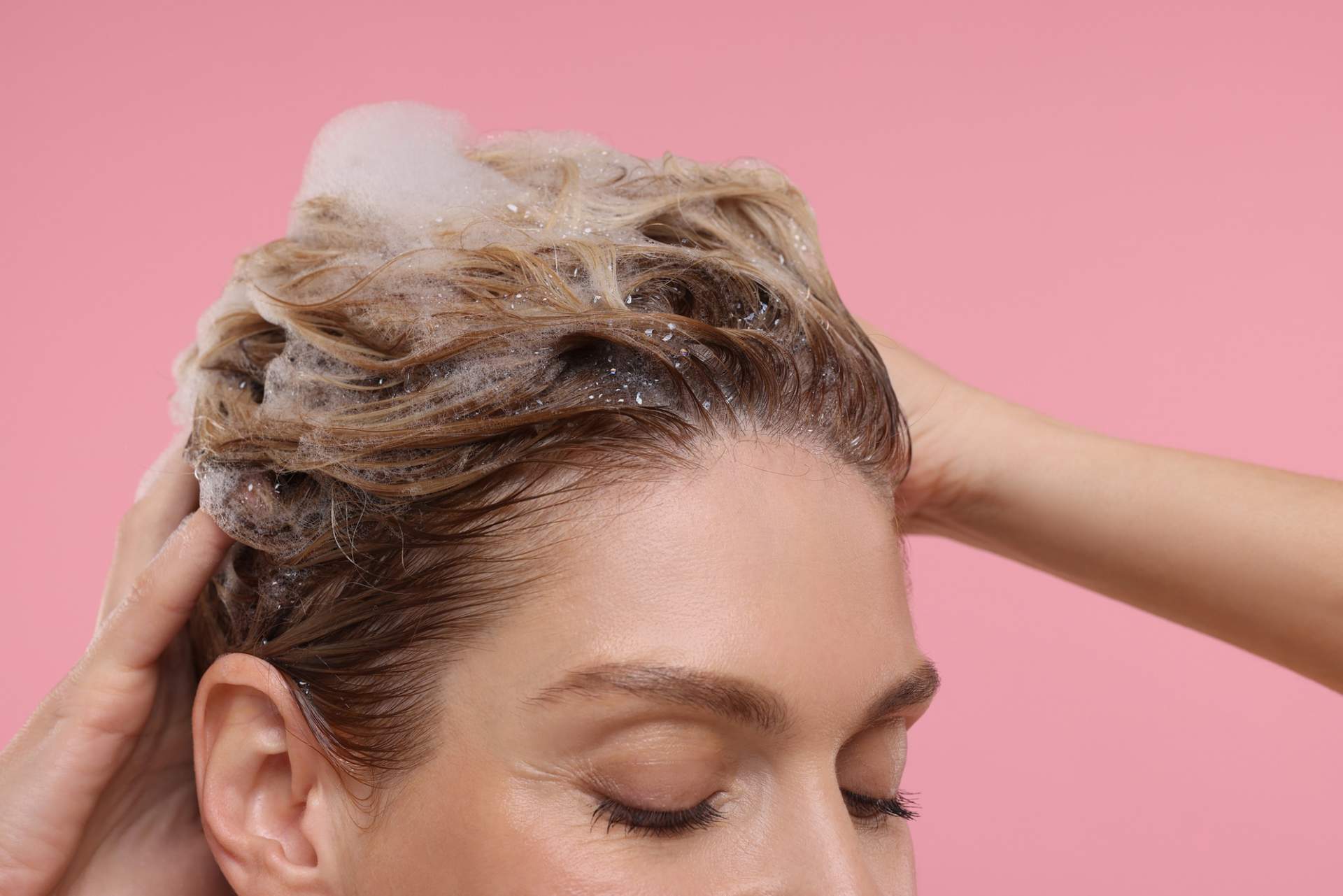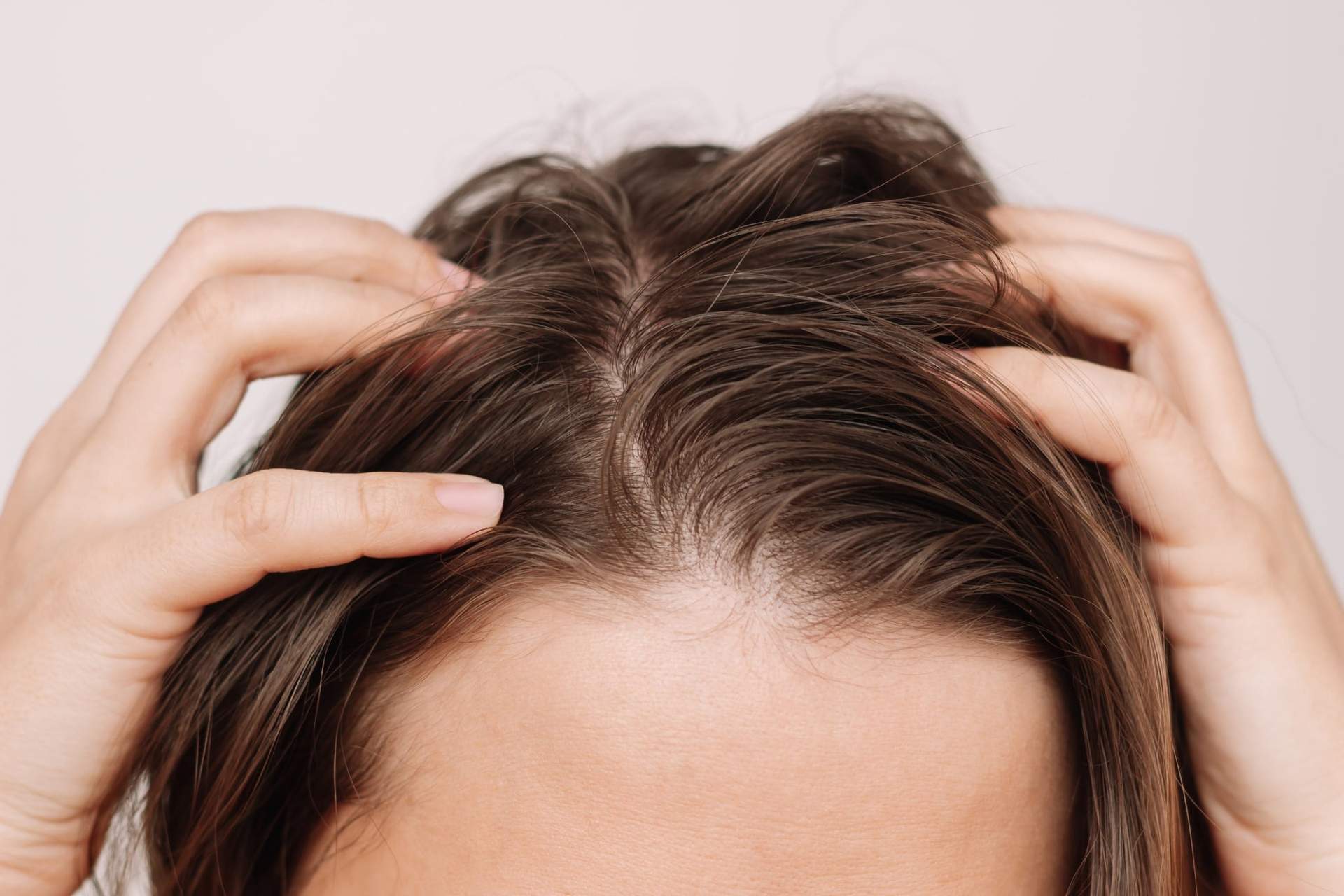
As the autumn months arrive and the air cools down, many of us notice our hair becoming drier and our scalp more sensitive. This often leads to dandruff, causing discomfort not just visually but also due to scalp irritation.
Changes in autumn weather, especially temperature fluctuations and lower humidity, directly affect the skin, including the scalp. Dry air combined with chilly winds can further dry out your scalp, making it more prone to dandruff.
Plus, when heating systems kick in, indoor air gets dry too, which can irritate and dry out your scalp even more. Wearing winter hats and scarves keeps you warm but can limit scalp ventilation, increasing the chance of dandruff.
Home Remedies to Banish Dandruff
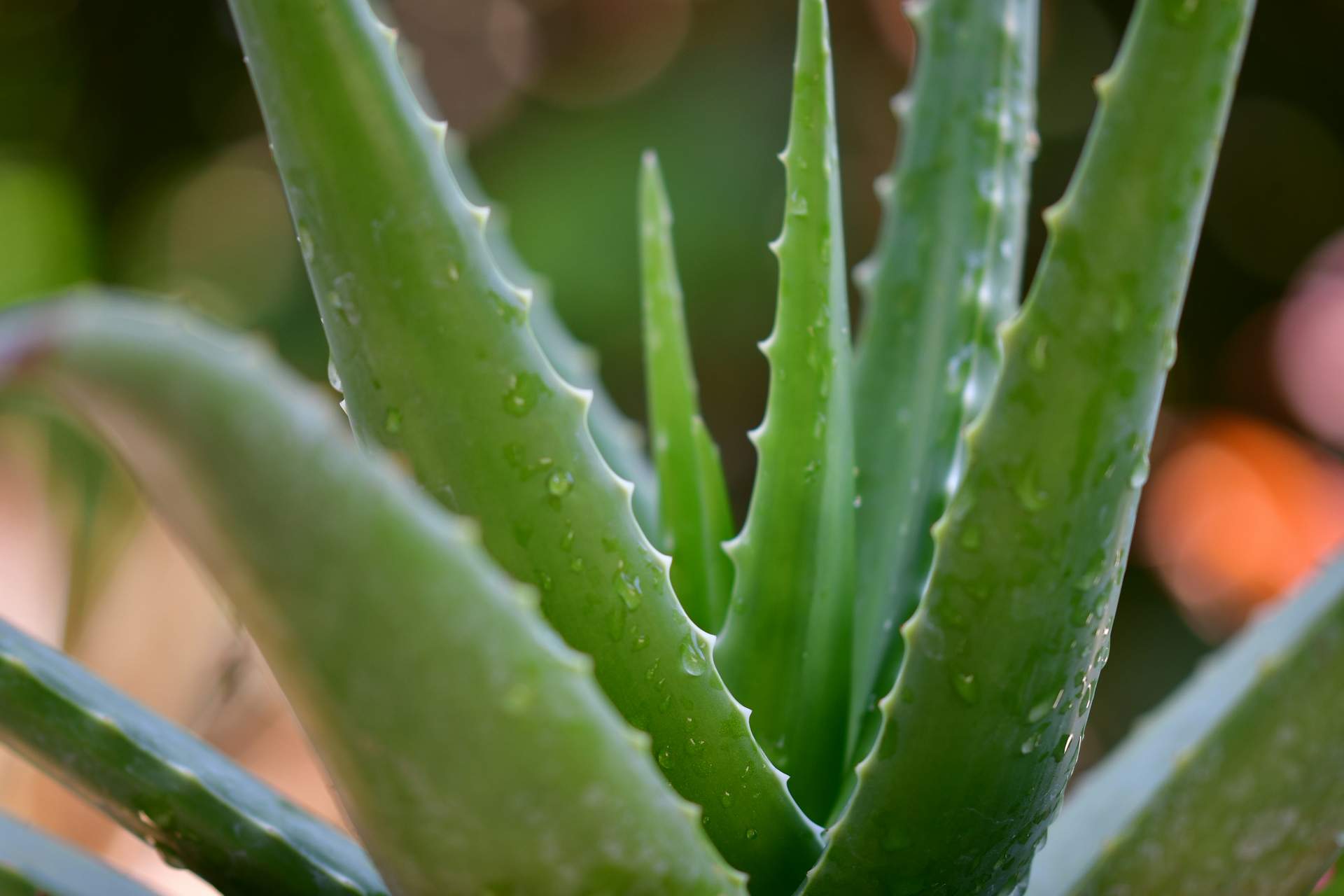
Soothing your scalp with aloe vera:
Aloe vera gel is well-known for its calming effects and can help ease scalp irritation and reduce dandruff. Simply massage the gel into your scalp, leave it on for 20-30 minutes, then rinse thoroughly.
Tea tree oil for a clean scalp:
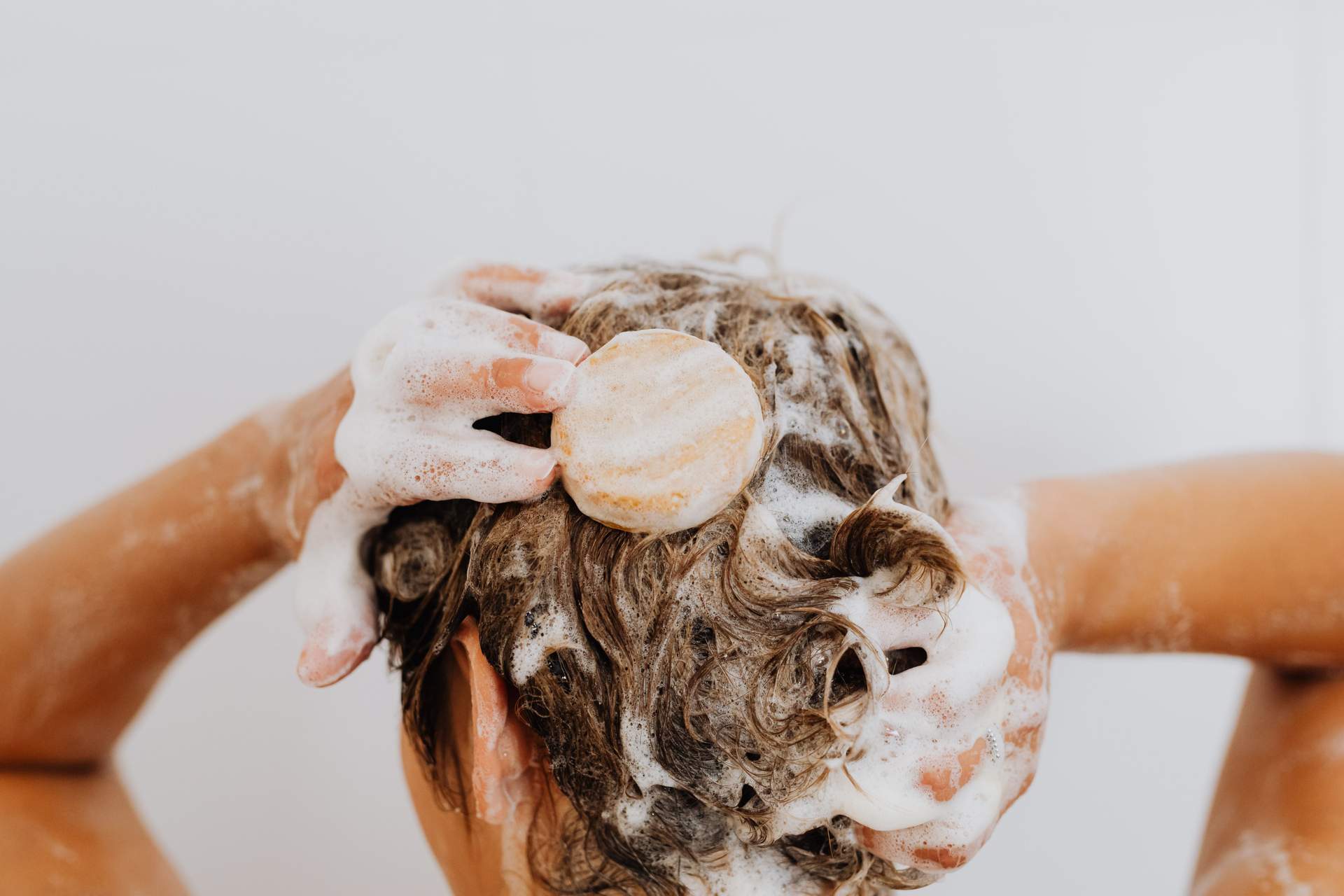
Tea tree oil has natural antibacterial and antifungal properties. Add a few drops to your shampoo and wash your hair as usual. This can help prevent the fungi that often cause dandruff.
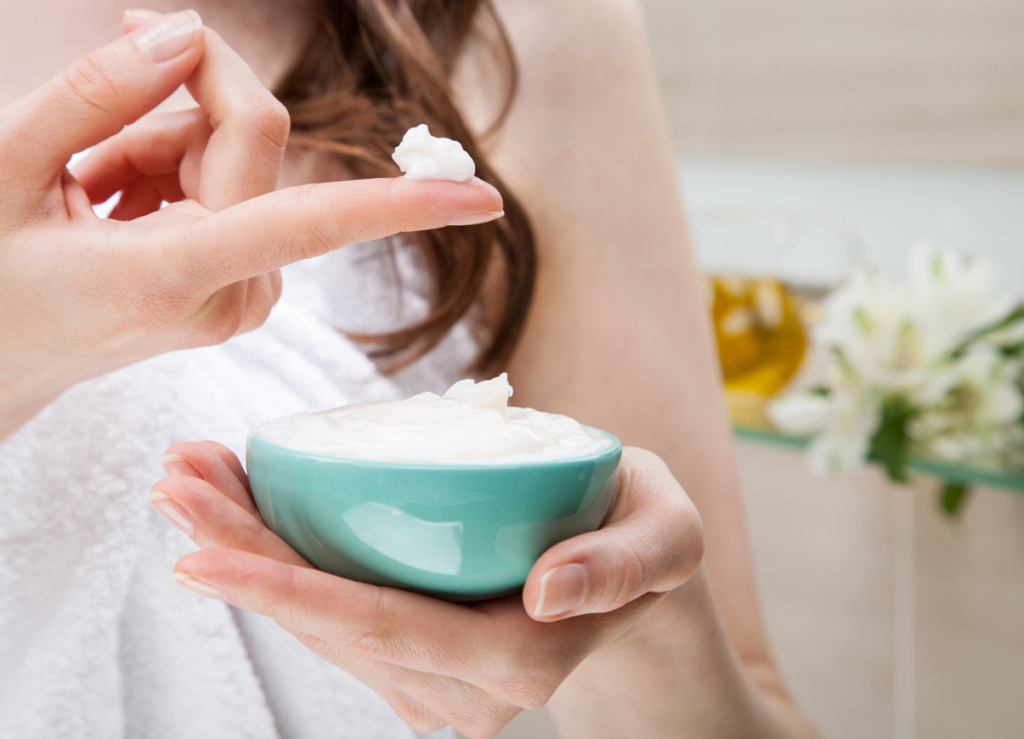
Yogurt contains natural probiotics that help restore your scalp’s balance. Apply plain yogurt to your scalp, massage gently, leave it on for about 15 minutes, then rinse off.
Olive oil and honey blend:
Olive oil hydrates dry scalp while honey offers antibacterial benefits. Mix two tablespoons of olive oil with one tablespoon of honey, apply to your hair and scalp, leave it on for 20-30 minutes, then rinse thoroughly.
Lifestyle Changes and a Smart Hair Care Routine
Alongside home remedies, adopting a healthy lifestyle and hair care routine is key to preventing dandruff. Keep your scalp well-moisturized and avoid overusing hair dryers!
Try to steer clear of harsh hair products and opt for those with natural ingredients instead. Eating a balanced diet also supports your skin and hair health.
Long-Term Solutions for Scalp Health
With fall here, it’s extra important to care for your scalp and prevent dandruff. If home remedies and a good hair care routine don’t do the trick, consider consulting a dermatologist who can help identify the cause and suggest other treatments.