My late cat, who was part Turkish Van—a rare breed famous for loving water—gave me plenty of memorable moments over more than a decade together. Yet, few times in my life did I need as much courage as when I locked myself in the shower to wash him with a vet-prescribed shampoo for a skin inflammation.
Thankfully, we all came through that bath unscathed. A huge part of that was my cat’s incredibly calm nature—for a cat—and the deep trust between us that let him tolerate pretty much anything. Plus, he didn’t hate water with the fierce passion many cats do, even if he wasn’t thrilled about shower time.
Still, I was relieved that regular baths weren’t necessary. Vets agree: cats don’t need routine baths. Unlike dogs, cats groom themselves daily, keeping their skin and fur clean naturally. Plus, the stress of bathing can actually harm their health.
Of course, exceptions exist—certain illnesses might require special cleaning or medicated products, or if your cat gets especially dirty with something you don’t want them licking off. My second cat bath involved a forgotten front door and a basement adventure covered in machine grease and oil stains. Luckily, it was the same cat, so that bath didn’t cost me any injuries either.
So, you can usually skip the cat bath. But if you ever need to wash your kitty, it’s smart to prepare well and keep stress to a minimum for everyone.
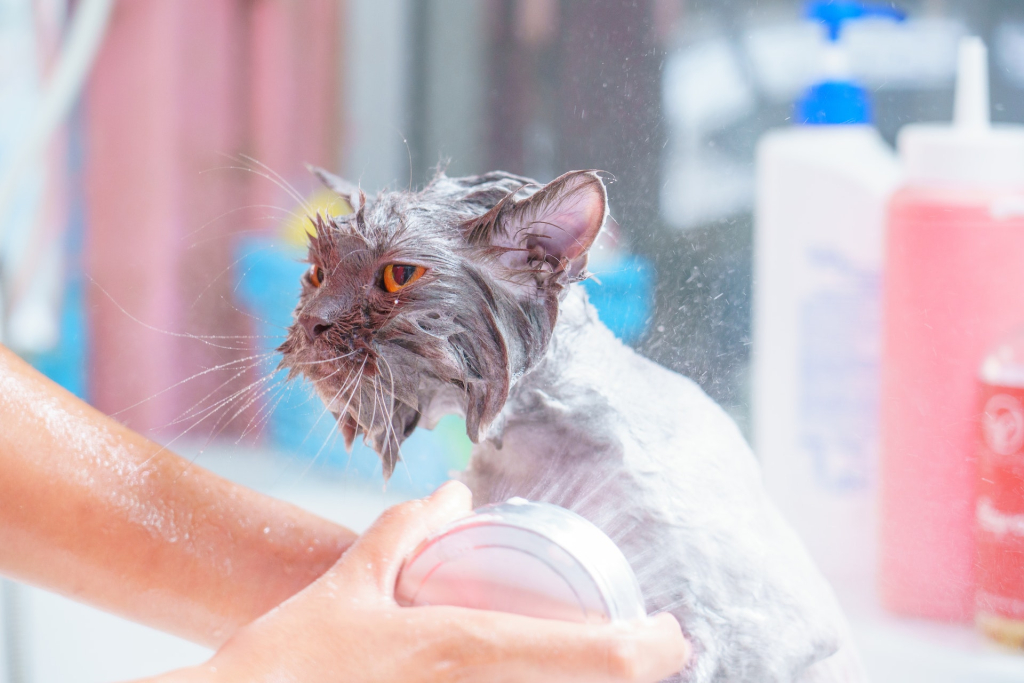
How to Bathe Your Cat (If You Absolutely Have To)
Get everything ready before you start. Have these within reach:
- Cat-specific shampoo (available at pet pharmacies)
- Washcloth
- A cup or small container to pour water
- A clean, dry towel
- Brush your cat thoroughly before bathing to remove knots and loose fur.
- Fill the sink or bathtub with a few centimeters of lukewarm water. Bathe your cat by gently wetting different parts of their body with the washcloth or cup.
- Avoid getting water in your cat’s eyes, nose, and ears.
- Use the washcloth to clean the face area. You can also apply shampoo safely with the washcloth or a soft brush.
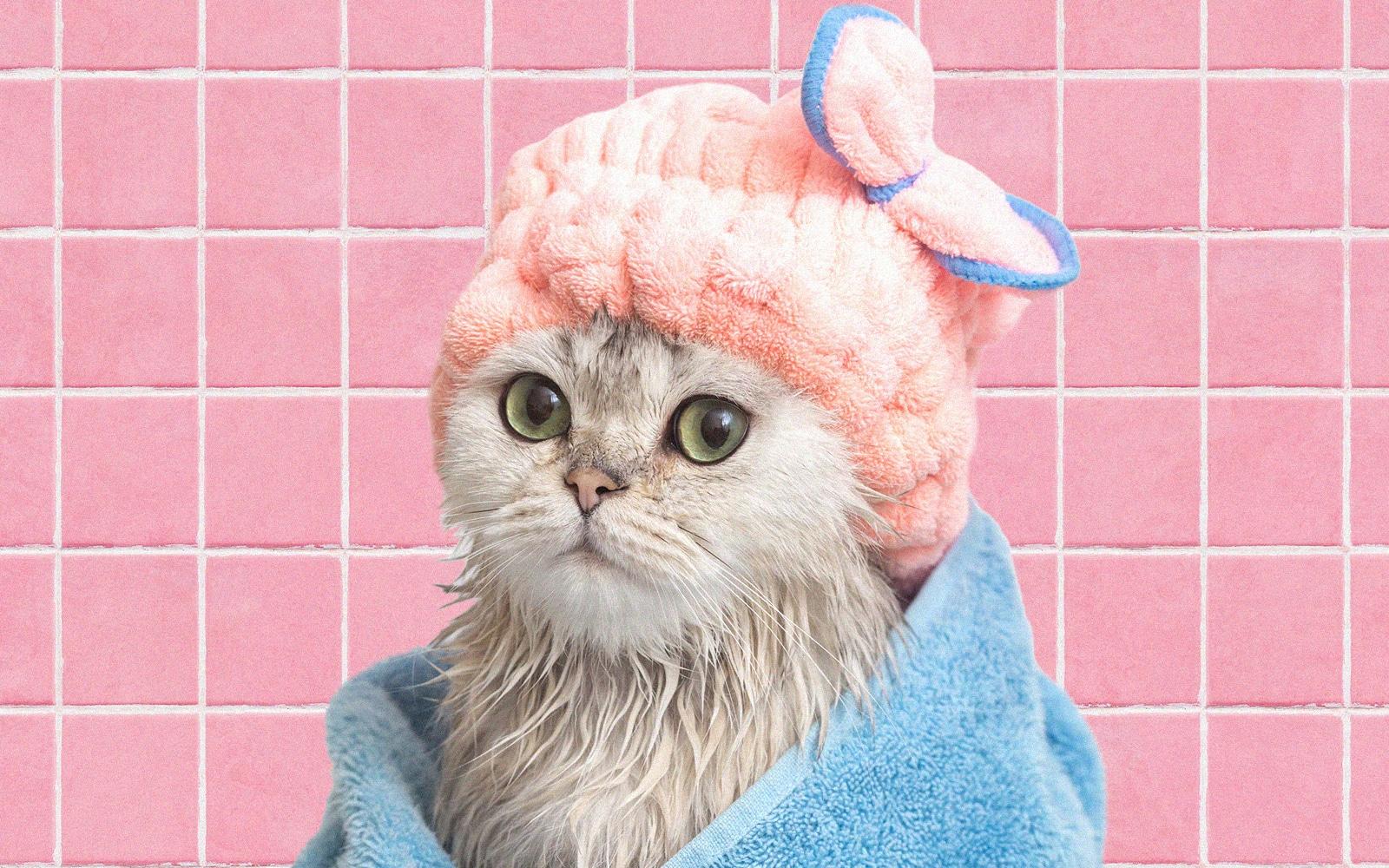
- Rinse the shampoo thoroughly, then wrap your cat in a towel. Press gently but firmly to soak up as much water as possible. After drying, you can brush their fur again to help it dry faster.
- There’s no need to use a hairdryer; even long-haired cats will dry within a few hours. Just make sure your cat isn’t in a cold or drafty spot while drying.