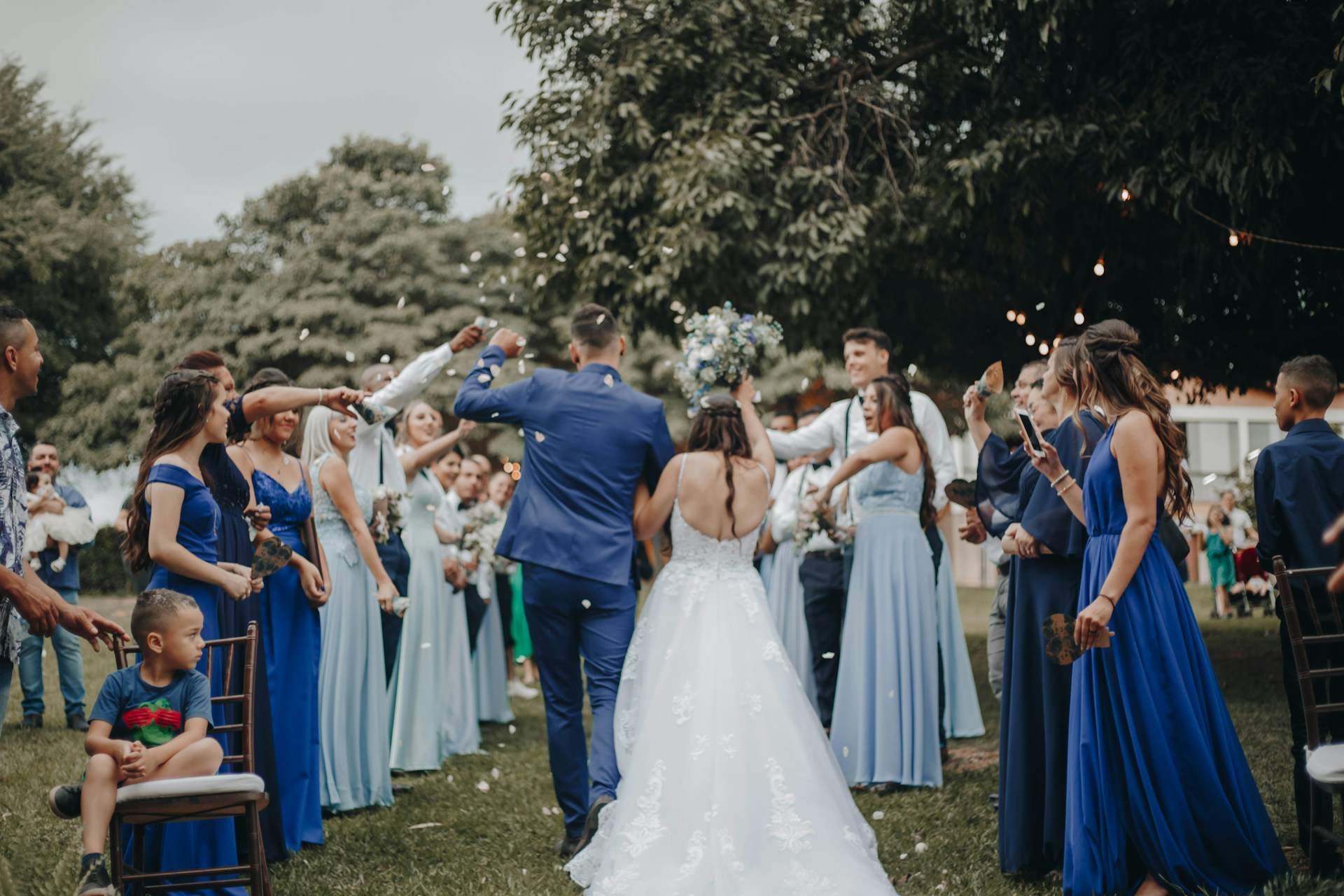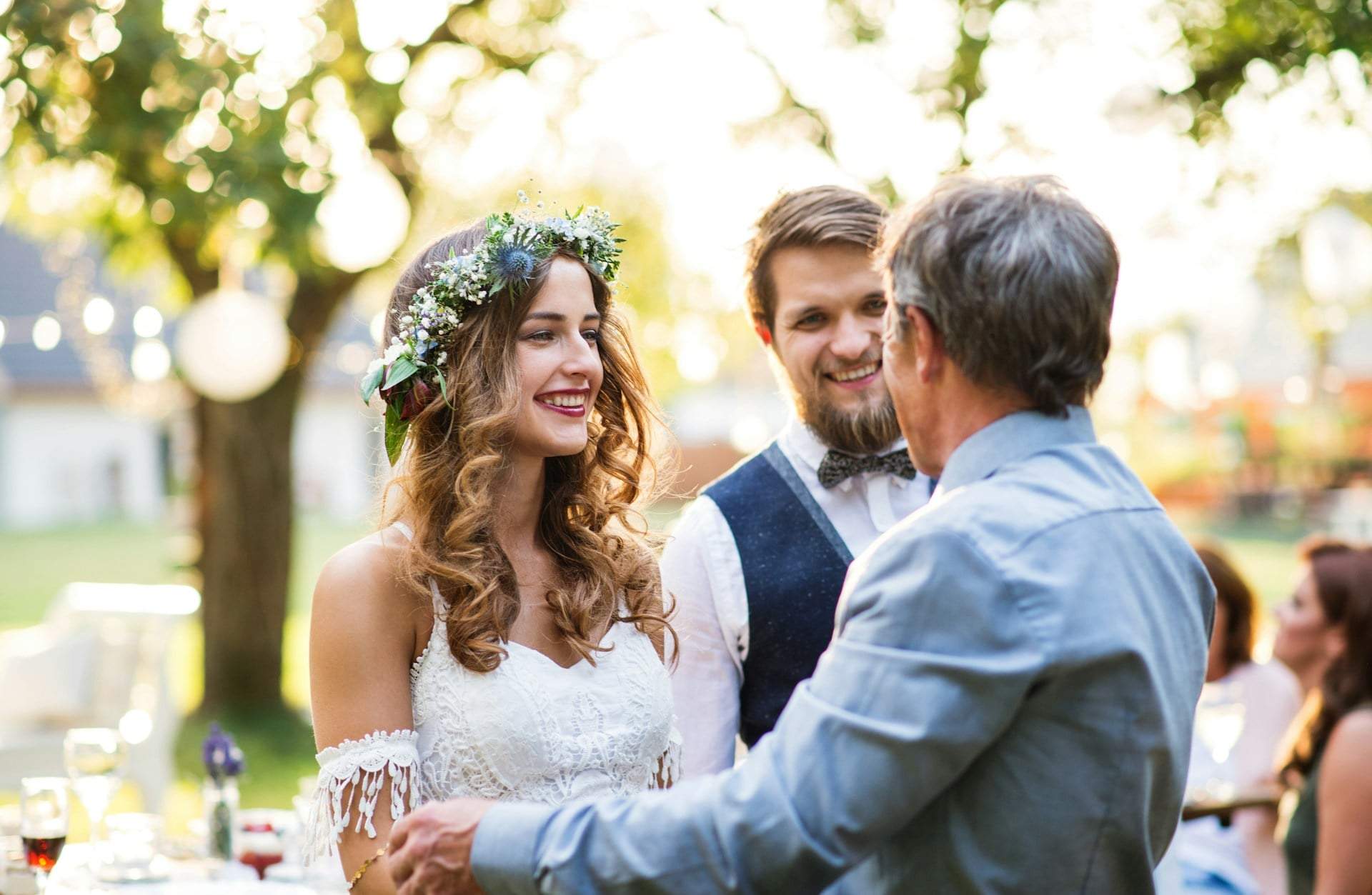
In theory, a wedding is about two people and the love they're celebrating. In practice, it can quickly turn into something else entirely — a carefully choreographed diplomatic exercise where every name on the guest list feels like a minefield.
And somewhere in the middle of all the venue bookings and seating charts, the question almost always comes up: what do we do about those relatives?
You know the ones. The uncle who gets too loud before dinner is even served. The aunt who critiques the dress, the food, and the music — not quite under her breath, but just loud enough for everyone to hear. Or the family members you haven't spoken to in years because of some old wound that never properly healed, and honestly? You haven't missed them.
Do they actually need to be there?
The social reflex says yes. "What will people think?" "It's just how it's done." "Family is family." These phrases will sound familiar to most people, and they don't come from nowhere — they're inherited patterns, passed down through generations.
In another era, a wedding wasn't just about two people. It was a union of two families, and following the unwritten rules of etiquette was practically non-negotiable.
But today, most couples see their wedding as a deeply personal event — and one they're increasingly paying for themselves. With that shift comes a growing sense that maybe they don't have to keep bending to everyone else's expectations.
I faced exactly this situation at my own wedding. There was a relative on my side of the family with whom I had virtually no relationship. I couldn't remember the last time we'd spoken. We had no shared memories, no meaningful connection — and I knew from experience that a few drinks in, there was a very real chance of a scene.
I knew the "polite" thing was to send an invitation. But even the thought of it made me anxious. So I finally asked myself the honest question: why, exactly, should this person be there? Simply because we share a percentage of DNA?
Why should I share one of the most important days of my life with someone who is, in every meaningful sense, a stranger to me? Why should a social convention matter more than how I actually feel on that day?
I decided not to invite them — and I don't regret it
The hardest part wasn't worrying about what that relative thought. It was my parents' reaction. They grew up in a world where these kinds of rules simply weren't questioned. For them, a wedding is an event where "everyone must be included" — and leaving someone out feels like a serious breach of order.
They struggled to let go of that idea. There was disappointment, and probably some fear about what the wider family would say. But eventually — even if not entirely happily — they accepted my decision.
And I have never once regretted it.
On my wedding day, every single person in that room was someone I genuinely wanted there. People I could be fully myself around, without performing or bracing for drama. I felt free. I was present. I actually lived the day the way it was supposed to be lived.
Of course, there's no single right answer for everyone. Some people choose to invite everyone for the sake of keeping the peace, and they accept the trade-offs that come with that. Others are increasingly feeling that they have the right to draw boundaries — even when it causes friction.
Maybe that's the real question: whose wedding is this?
Answer that honestly, and the decision becomes a lot clearer. Yes, pushing back against family expectations can be uncomfortable in the short term. But in the long run, what matters far more is the memory you carry with you from one of the most important days of your life.
You deserve to remember it with joy — not relief that nothing went wrong.