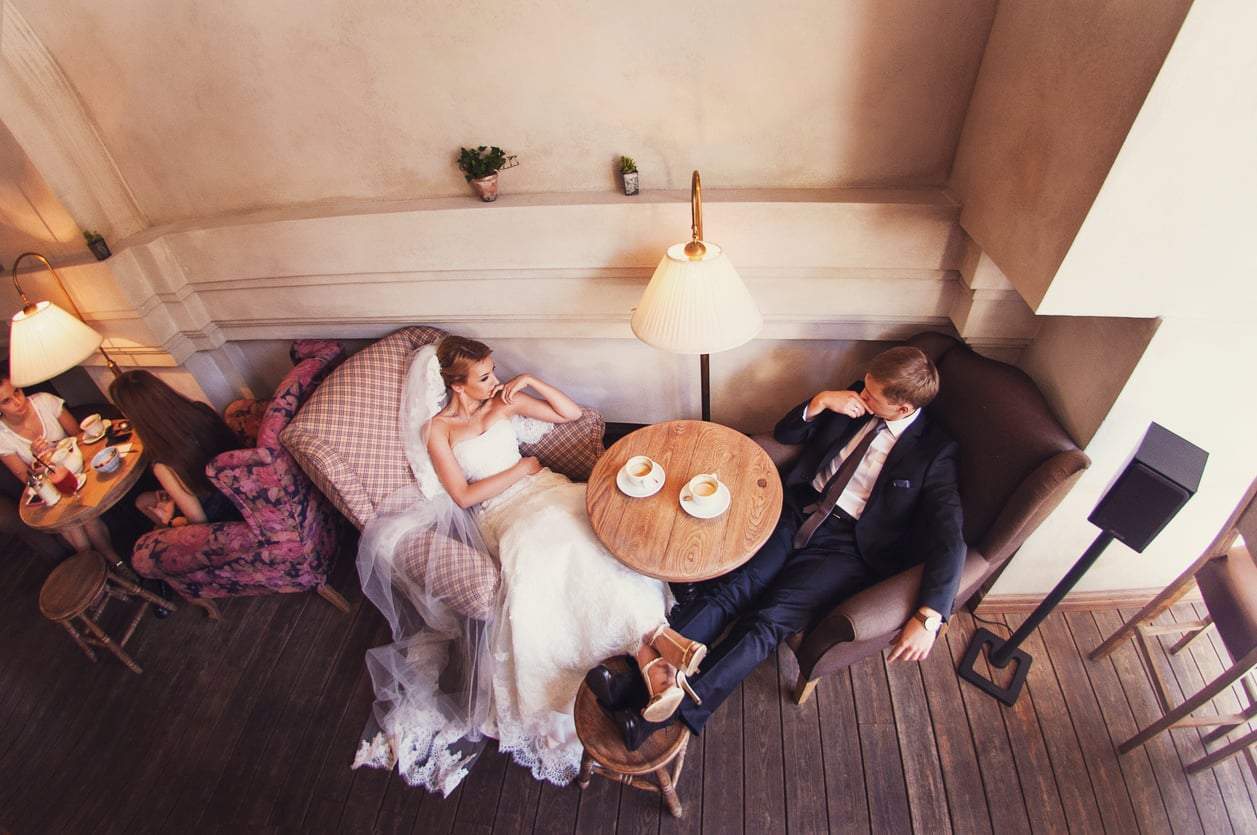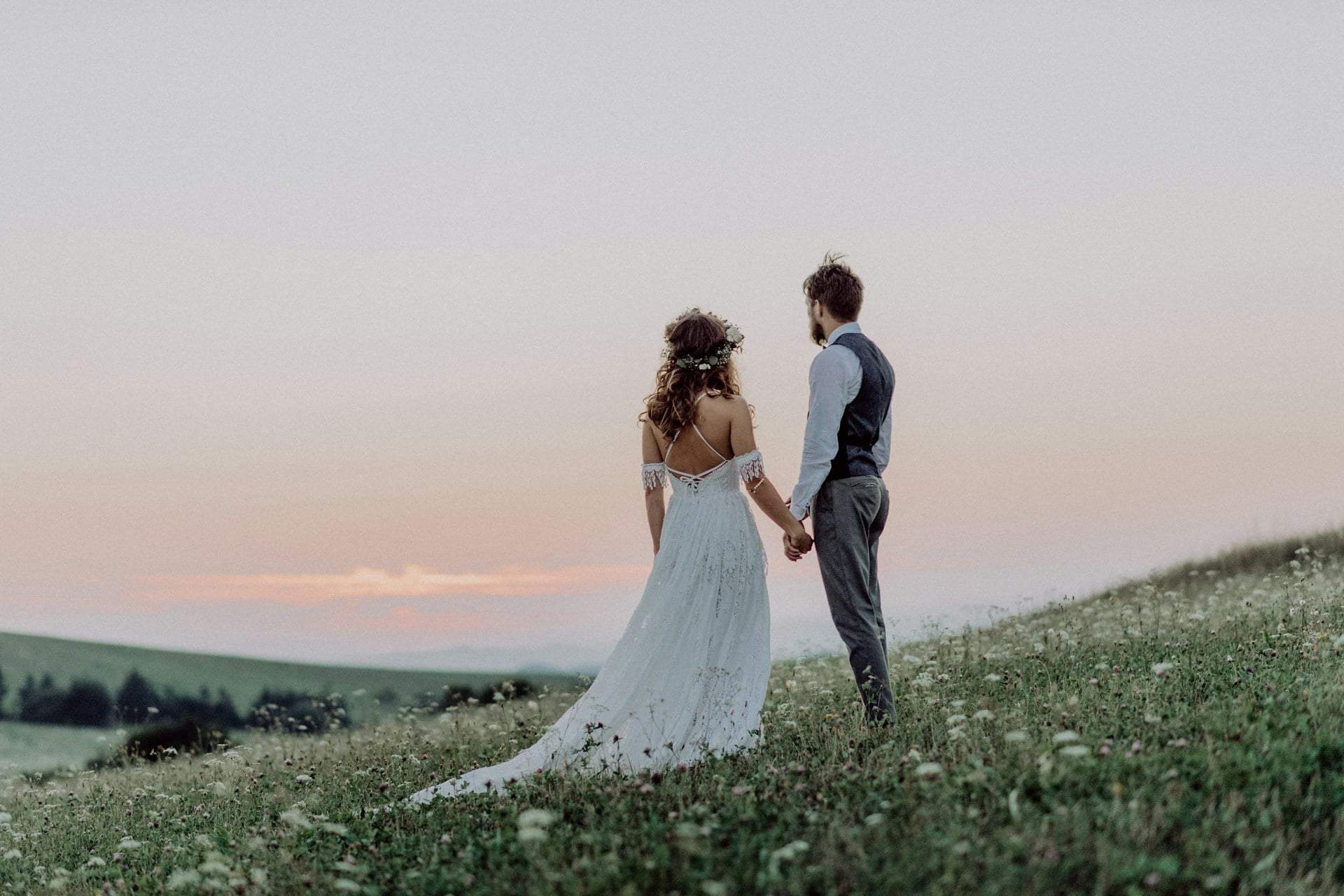
When we first started talking about our wedding, everything felt wonderfully clear. No noise, no fuss — just us.
We imagined a quiet, unhurried ceremony with only our two witnesses present. No elaborate rituals, no social obligations, no performance for anyone else. Just the weight of the promises we were making to each other. That stripped-back simplicity felt like the truest version of who we are as a couple — and in that small, protected space, we believed we could actually be fully present for each other.
The trouble started the moment we allowed ourselves to ask the first "but what about...?" question — specifically about our parents. The second we cracked that door open, the logic took on a life of its own:
If the parents are there, the siblings can't be left out. And if the siblings come, of course they'll bring their partners and kids.
Before we knew it, our intimate four-person moment had quietly ballooned into a small family gathering — at least in our heads. Then a close friend mentioned, almost casually, that she didn't care about any party or dinner, she just wanted to be tucked into a back row somewhere so she could at least witness the moment. That was the first time I felt us drifting away from the inner peace we'd been searching for all along.
The domino effect that changes everything
Our situation is made more complicated by the fact that we're not navigating two sets of parents — we're navigating three. And not all of them live in the same country. I know that for some of them, being present at this wedding would mean the world. But if we say yes to one, fairness demands we say yes to everyone. And at that point, the whole thing starts to feel less like a wedding and more like a diplomatic summit.
It's not that I'm afraid anyone will be angry with us. What actually weighs on me is the quiet, unavoidable truth: no matter what we decide, someone will carry a small ache. If it's just the four of us, they miss something. If we include everyone, we lose something — the very thing our hearts were reaching for in the first place.
Caught between intimacy and celebration
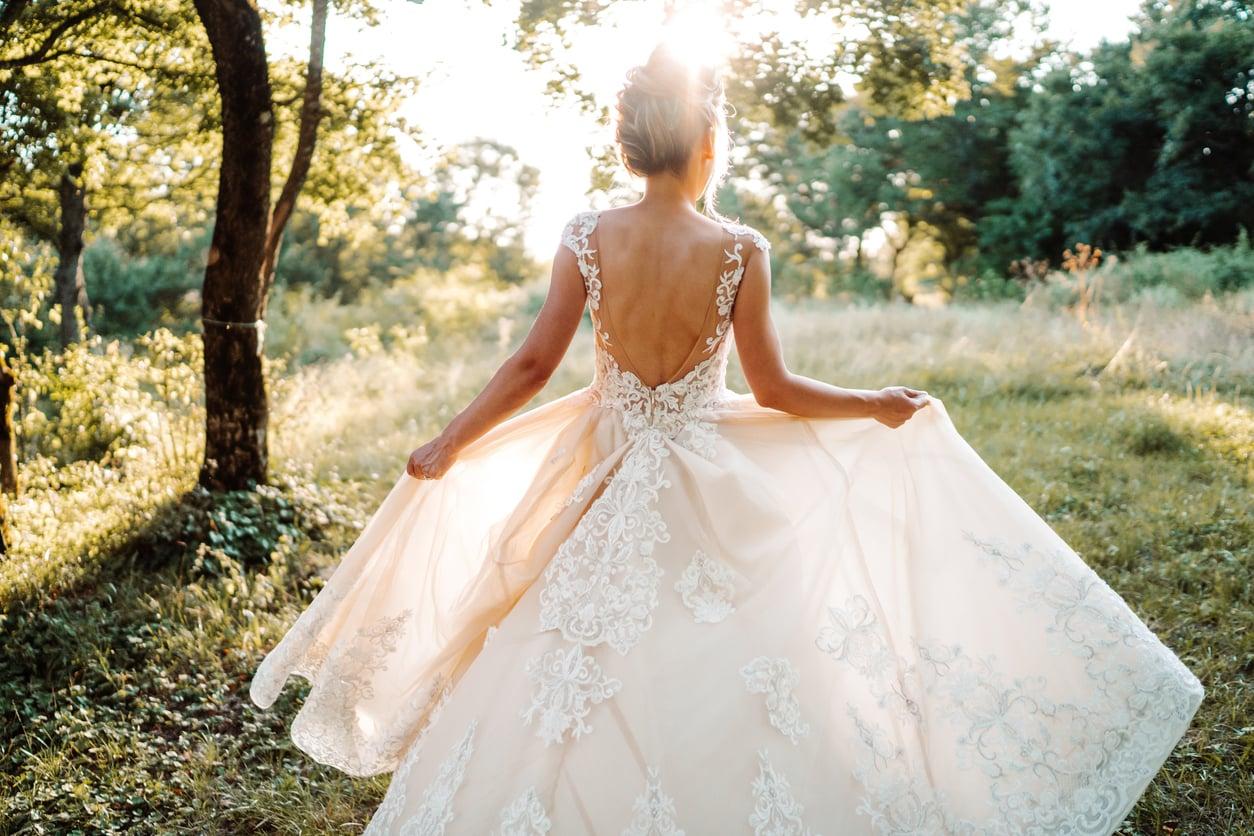
Right now, we're still searching for the path that feels most livable for both of us — and we haven't committed to either direction yet. There's something genuinely beautiful about the idea of having family there: the dress, the rings catching the light, the photos — all of it finding its fullness around a shared dinner table. But that quiet pull toward a "just us" experience hasn't faded either. We've talked about making the celebration feel complete in other ways — separate, joyful hen and stag dos with our closest friends, for instance.
What we've realized is this: if we start making decisions purely to avoid short-term discomfort — just to keep everyone happy in the moment — we risk losing the very heart of the day.
We have to accept that our choice won't be perfect for everyone. And maybe that's not our job.
After seventeen years together, two homes built from scratch, and a daughter who already makes our family complete, this wedding isn't about a beginning — it's about honoring everything we've already become. We have nothing left to prove. We've been a family for a long time. The paperwork is just one more brushstroke on a painting we've been working on together for nearly two decades. Whatever we decide, it won't be a statement against anyone. It will be a quiet act of respect for the life we've already built.
Because no matter how many seats are at the table, the most important promise between us was made a long time ago. The love will be felt — whether people are sitting beside us on the day, or raising a glass to us from a distance.