
Despite these facts, many strongly believe they remember Mandela dying in prison. This fascinating phenomenon—a widespread, collective belief in an event or fact that isn’t true—is called the Mandela Effect. It’s been observed in many other contexts and with various facts as well.
But how can our minds convince us we remember events that never actually happened? And how is it that large groups of people share the same false memory? Here’s what psychologists currently understand about the Mandela Effect.
How Does Our Brain Create False Memories?
The Mandela Effect is often cited as a clear example of false memories—recollections that feel real but are partly or entirely made up. While it might sound unlikely that our minds can trick us this way, false memories are actually more common than you might think.
Think about moments when you were sure you turned off the stove, hit the "send" button on an important email, or put the milk carton in the shopping cart—only to find out you didn’t.
A study published in the journal Consciousness and Cognition explains these false memories through the Self-Memory System. This framework highlights the connection between our sense of self and memory. It links episodic memory, autobiographical memory, and the part of our self-image that guides information processing—our "working self."
Researchers explain that our working self uses available knowledge to piece together detailed memories. This helps us build memories of our past and even imagine future events.
This construction process happens in the so-called "remembering-imagining system," a mental space filled with recent memories and simulations of things that might soon happen.
However, they also point out that this system can fail from time to time for various reasons. Modern understanding of human memory challenges the idea that memories are always accurate. Instead, it suggests every memory is somewhat flawed.
Can Research Explain the Mandela Effect?
The Mandela Effect happens when these convincing but inaccurate memories occur on a collective level—when large groups of people remember the same unfounded fact or event. Mandela’s false death in the ’80s is just one example, and many others have been identified since the term was coined.
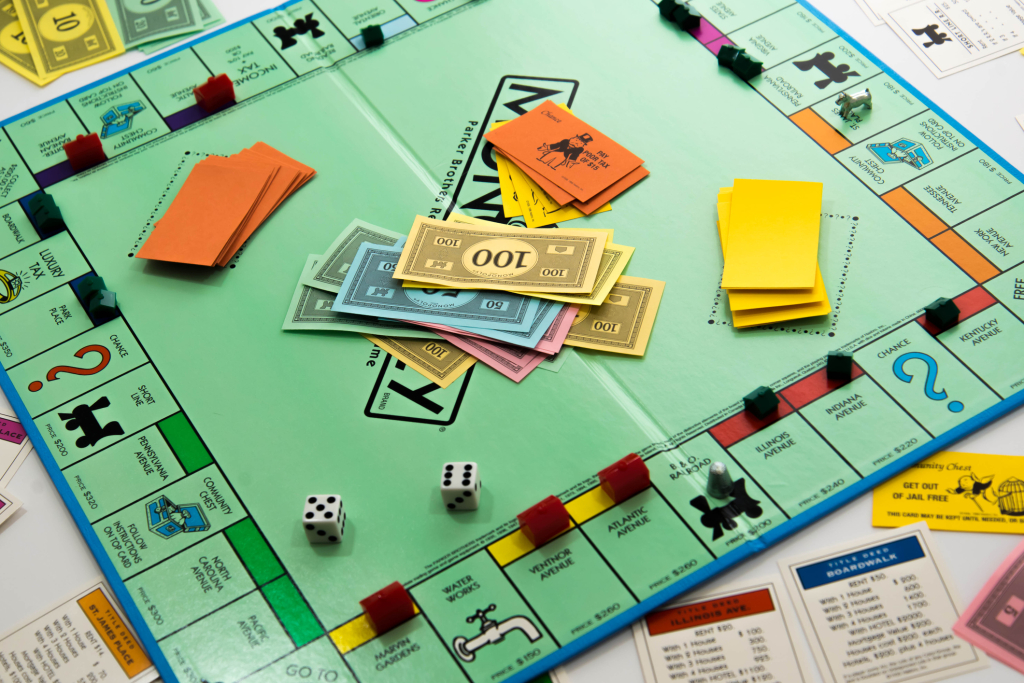
For example, almost everyone has played the classic family board game Monopoly. If asked to describe the man on the box cover, many would say he’s an older gentleman with a cane, top hat, and monocle. But the iconic Monopoly character has never worn a monocle in any edition. Still, countless people swear their childhood version featured the monocle.
Similarly, English speakers confidently recall the classic cartoon "Looney Toons," the TV show "Sex In the City," and Darth Vader’s famous line: “Luke, I am your father.” In reality, the cartoon is called Looney Tunes, the show is Sex and the City, and the line is actually: “No, I am your father.”
A study published in Psychological Science explored this puzzling phenomenon. It found that certain images from pop culture consistently trigger specific false memories. Using eye-tracking methods, researchers found no differences in attention or visual processing that would explain these collective false memories. They concluded that these errors spontaneously occur during memory recall. Even though most people see the correct image visually, they consistently make the same memory mistakes with certain pictures.
The Mandela Effect remains a fascinating mystery. Attempts to explain it often lead to conspiracy-like theories. These ideas point to uncharted territories beyond current scientific understanding—showing us just how much our minds still surprise us.