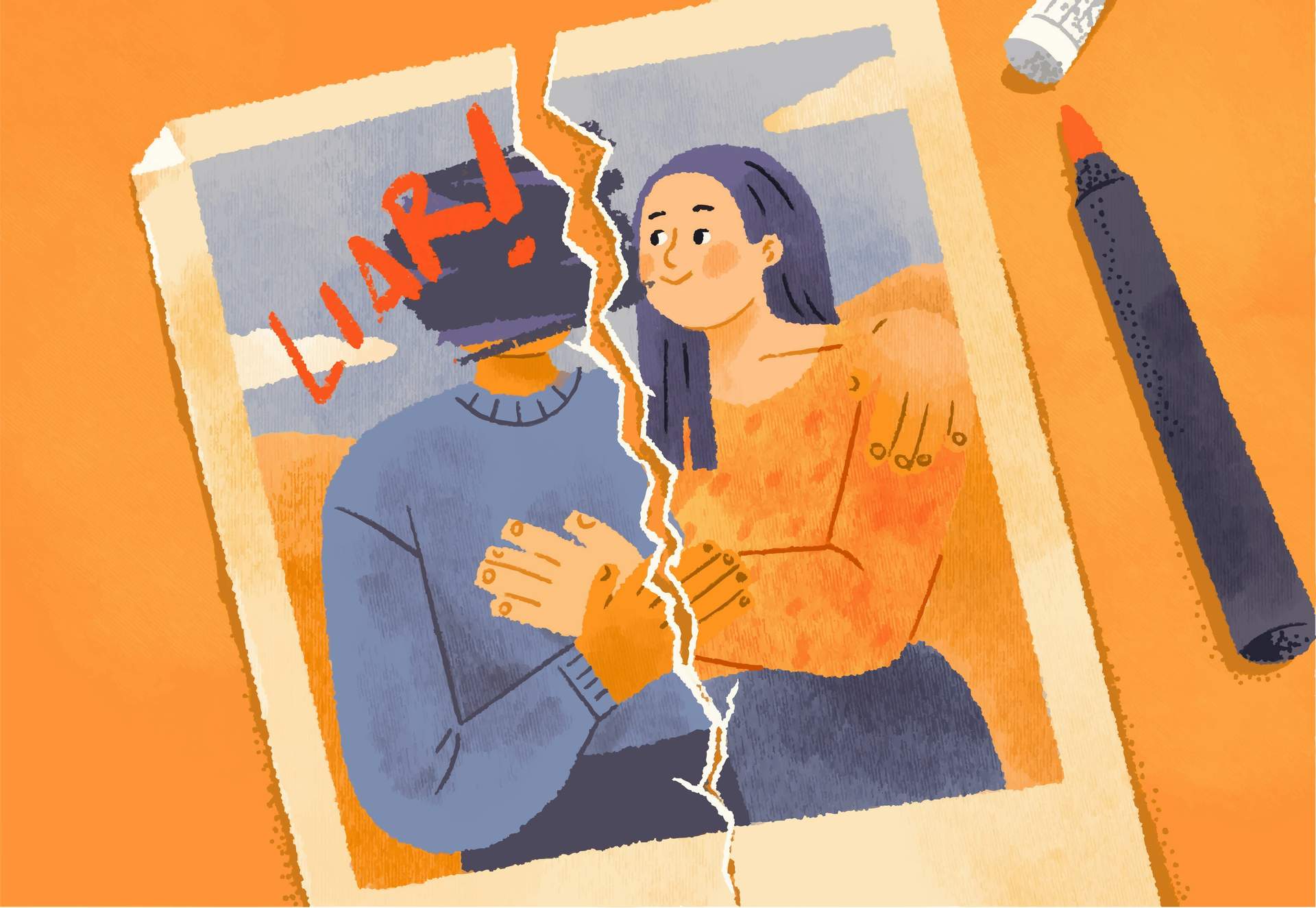
You typed the name before you even realized what you were doing. You scrolled through the photos, checked what they've been up to, and then — maybe — felt a little embarrassed about it. Sound familiar? You're not alone. But what exactly pulls us back toward people we've already left behind, or who we know weren't good for us? The answer is more human than you might think.
Before social media, this kind of curiosity had nowhere to go. If someone drifted out of your life — an old friend, an ex, a former colleague — you only knew what you happened to hear through the grapevine. Now, everyone is one click away, and that access alone is enough to make the temptation feel almost irresistible.
The human brain struggles with unfinished business. What happened to them? Are they happy? Successful? Do they ever think about me? Do they regret it? These questions don't necessarily mean you want that person back in your life. They mean something was left unresolved, and your mind is trying to close the loop. Psychologists call this the need for cognitive closure — and it's a completely natural response. The problem is that social media turns this natural impulse into an endless, never-quite-satisfying cycle.
You check the profile but never find the answer you're really looking for. The next day, you check again. And again. Without ever being entirely sure what you're hoping to find.
What's really behind that click
When you find yourself looking at someone's old profile, it's rarely pure curiosity. Most of the time, something else triggers it — a memory, a song, a smell, a place that takes you back to the time when that person was still part of your world. And in those moments, you're not really curious about them. You're curious about the version of yourself that existed back then — the feeling, the chapter, the lightness or the ache you carried at that time. That's not weakness. That's just how memory works.
Our minds don't forget the people who once mattered — even when we're ready to move on.
It also happens that during harder seasons of life, we reach for familiar faces — even ones that no longer belong to us. Because the familiar feels safe. It's a reminder that you've been somewhere else before, and you survived it. This doesn't mean you want that person back. It means something is missing right now, and your brain is searching for comfort in places it already knows.
Some connections end without any real closure — no argument, no explanation, just a slow fade into silence. These are the ones that tend to pull at us the longest, because our minds keep searching for a thread to tie off. Scrolling through someone's profile doesn't actually provide that closure, but the brain keeps going back there anyway, hoping this time will be different.
The question worth asking yourself
If you notice you're regularly checking in on people who no longer have a place in your life, there's no need to judge yourself for it. But it's worth pausing for a moment and asking honestly: what am I actually looking for? If the answer is an unresolved conflict, something that was never said, or a loss you haven't fully processed — that person's profile won't give you what you need. That kind of closure comes from within, not from a screen.
If it's simply nostalgia — a fleeting wish to revisit a chapter of your life — that's completely okay too. The people who once mattered leave a mark on us, even long after our paths have diverged. The real distinction is whether this happens occasionally and passes, or whether it keeps pulling you back to something you already know isn't good for you. The first is human. The second is a question worth answering honestly.
Because most of the time, the real question isn't what's going on with that other person. It's what's going on with you. And the answer to that was never going to be found on a screen.