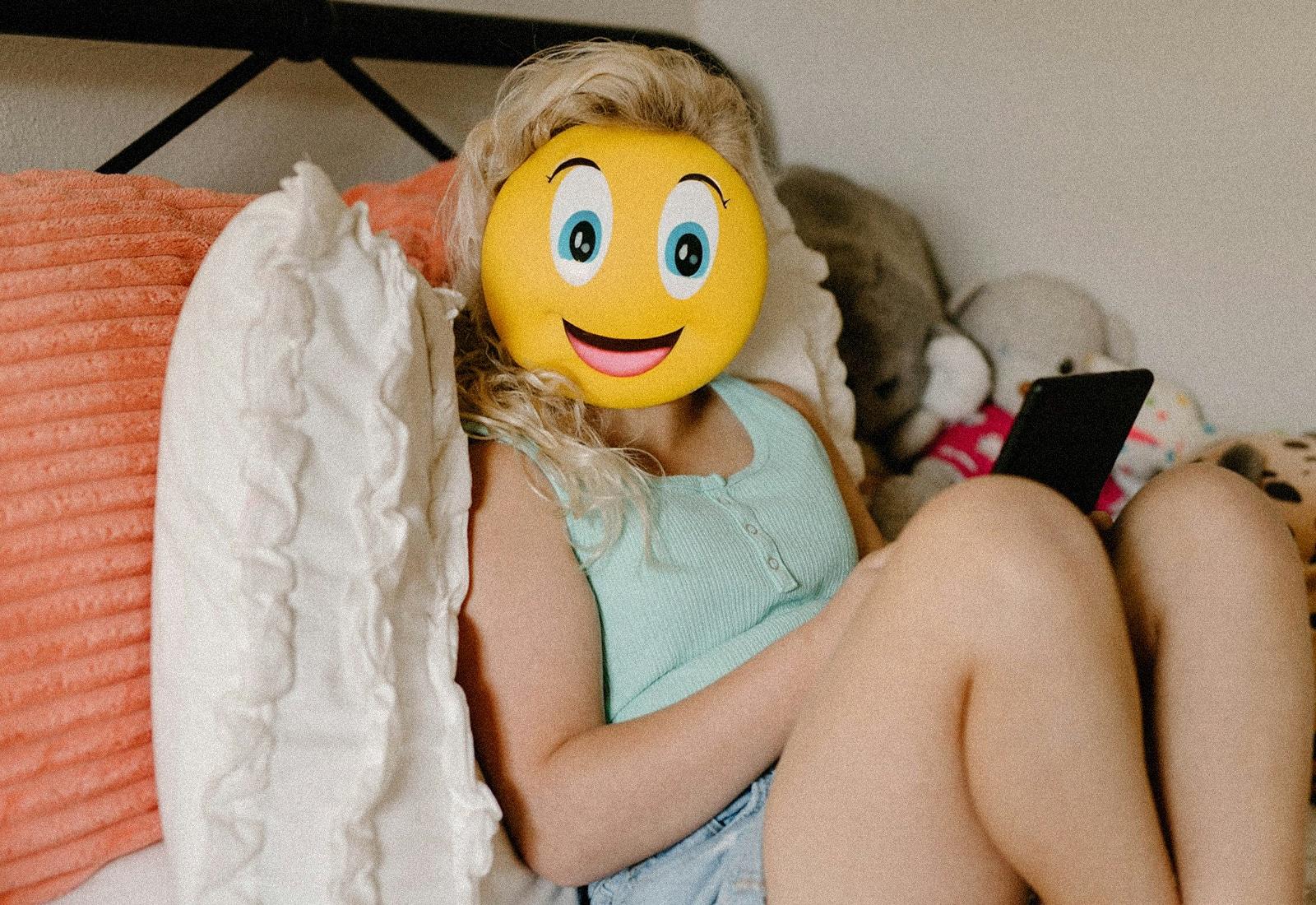
But is covering a child’s face with an emoji really a smart move, or are we just fooling ourselves? If we’re already posting about our child’s life, habits, and milestones, aren’t we crossing a line anyway?
A child’s face is undeniably a unique identifier. If recognizable, it can pose privacy risks. But what about posts where the face isn’t visible, yet details like birthdate, name, favorite playground, feeding progress, fears, or favorite books are shared? Each detail might seem harmless alone, but together they paint a vivid picture—a life story the child hasn’t consented to and likely won’t for a long time.
The Question Isn’t Just Whether to Cover the Child’s Face
The real question is: what counts as "shareable" in an age where personal experiences increasingly become content? Where’s the line between a family diary and building followers? How long is it about us—our parenting journey, joys, and challenges—before it becomes about the child in a way they can’t control or even express a preference for?
Some see posting about kids as a digital diary that helps process daily life, build community, and support other parents. Others view it as a one-sided contract where the child’s life becomes public without their say.
In this context, the covered face is more symbolic: it shows we’re aware a boundary should be drawn—but are we really honoring that need, or just hiding behind an emoji?
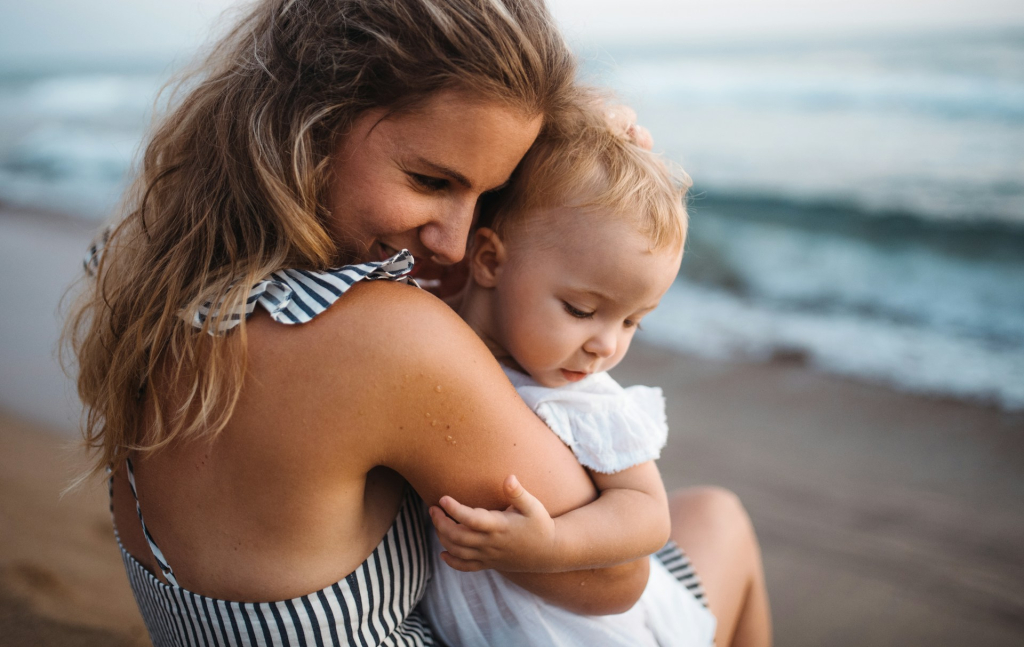
Covering the Face May Not Be Enough
Covering the face is a clear, protective step responsible parents take in the digital age to shield those who can’t consent to being online. But this kind of protection might not be enough. It’s not the face that matters most—it’s the person behind it. The stories we share, the words we speak for them, the online presence we build that they will inherit. Even without a visible face, those who know or get to know the child will recognize them instantly.
Our friends likely know our child, or if we don’t see them often, they probably learn a lot about the child through our social media—just without seeing their face. But does this really protect the child? Does it make sense to hide a face while sharing so much else?
Maybe the most important question isn’t whether we cover a child’s face with an emoji. It’s whether we’re ready to learn alongside them about this new world and awareness. Can we talk about it in a way that preserves their right to one day decide what they want to share about themselves—and what they want to keep private? And can we respect it if they choose to protect far more than just their face from the world?