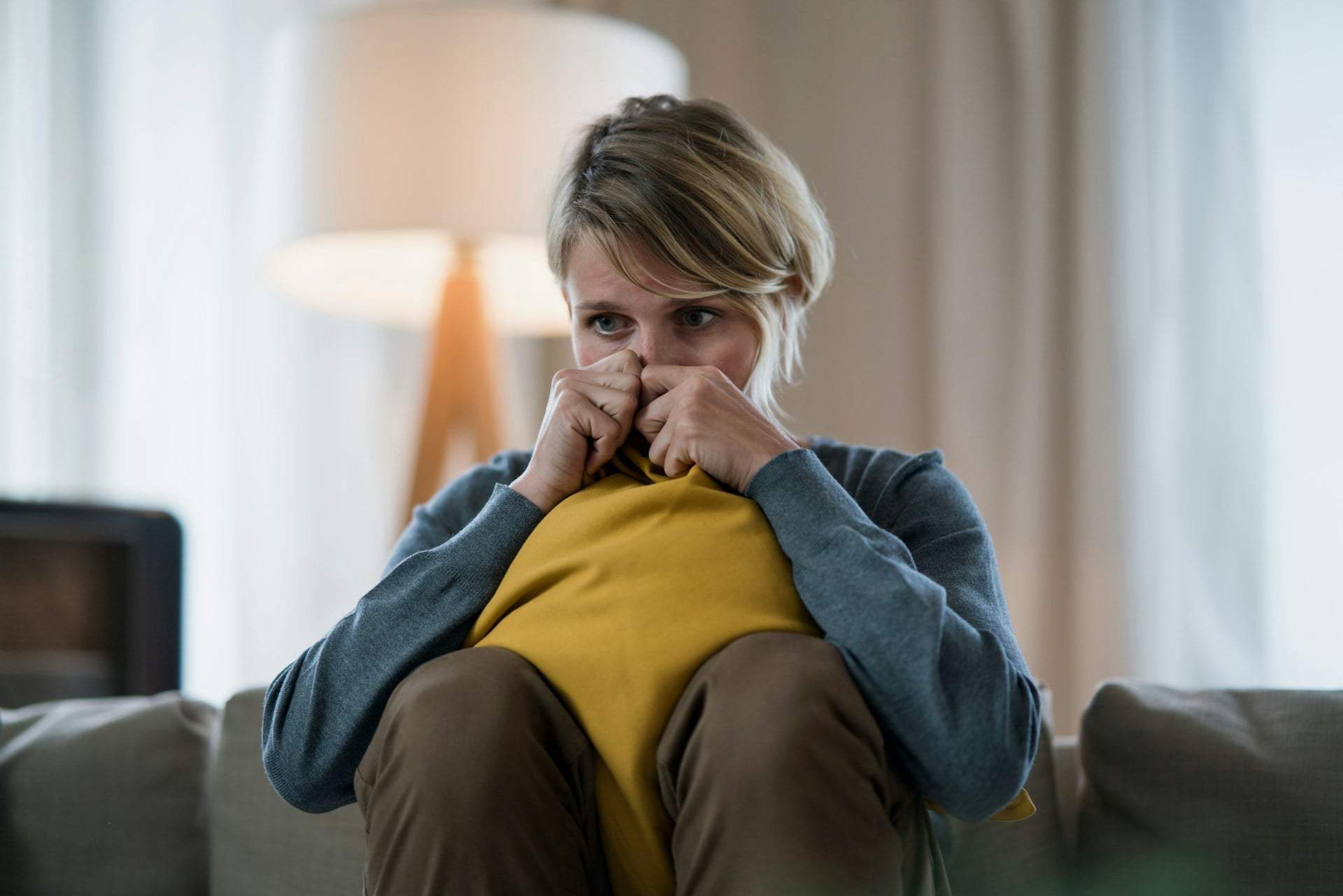
If you want a happier, fuller, freer life, most self-help books will encourage you to practice gratitude, focus on the positives, or change your circumstances. But what if the real key isn’t in listing your sources of joy, but in honestly facing what you’ve left in your “comfort” zone? A new psychological approach centers on a question that can radically transform how you view your life — not by measuring your mood, but by examining the direction you’ve chosen.
The Question That Goes Beyond Happiness
For most of us, the answer to “Am I happy?” is complicated. You might not be unhappy — yet you feel something’s missing. Psychologists following this new approach say the key isn’t checking your emotional state, but asking yourself: “If nothing in my life changed, could I live with that?”
This question isn’t about comfort, but choice. It doesn’t ask how satisfied you are today or if you have goals or areas to improve. It asks whether you truly chose the path you’re on. Are you acting on your own will, or just passively accepting what’s comfortable? This subtle but deep difference often goes unnoticed: many live a relatively “good” life while not actually choosing freely what they truly want.

Why Is This Question So Hard to Ask?
The question’s greatest strength is also its biggest challenge: uncovering the truth can be scary. Many avoid it because the answer might reveal uncomfortable or difficult truths. What if you realize you’re “okay” not because you love your life, but because the thought of change feels scarier than the discomfort of staying the same?
But this isn’t judgment — it’s a bridge to awareness.
The question doesn’t demand immediate action, but invites honest reflection:
Did I choose this path, or just settle for the familiar? What am I saying yes to every day, and why?
The Power of Awareness
Often we stay in a “bearable” life because we fear familiar pain less than uncertain change. Yet the only thing we truly need to fear isn’t the lack of happiness — it’s realizing we’ve never actively chosen our own life.
This question shines a light on emotional and mental balance that goes beyond momentary feelings. Instead of asking “Am I happy?”, it asks “If nothing changed, could I accept my life as it is?” — helping you break free from the prison of habit.
Psychologists warn this isn’t a magic fix. But when you honestly ask yourself for the first time — not to judge, but to understand — your life suddenly looks different. The first step to living consciously is this: not just enduring, but choosing the life you live.