Lately, it feels like every other TikTok or Instagram video says, “Try ear acupressure to relieve stress, anxiety, or sleep issues.” But does it really work, or is it just the latest wellness fad?
In short: there’s something to it, but it’s not a miracle cure and doesn’t work the same for everyone. Let’s take a closer look at what’s behind the effects!
What Is Ear Acupressure?
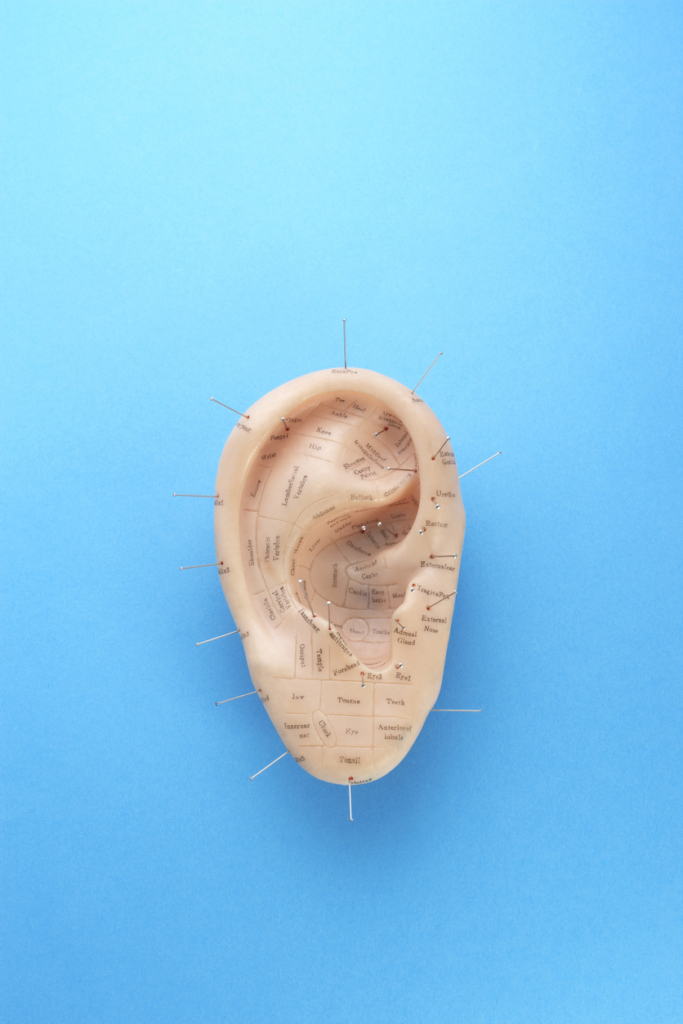
Ear acupressure is a thousands-of-years-old practice rooted in Chinese tradition that uses gentle pressure on specific points on the outer ear to influence body and mind functions. The idea is that the ear’s reflex points connect to different parts and functions of the body—like stress, sleep, or pain.
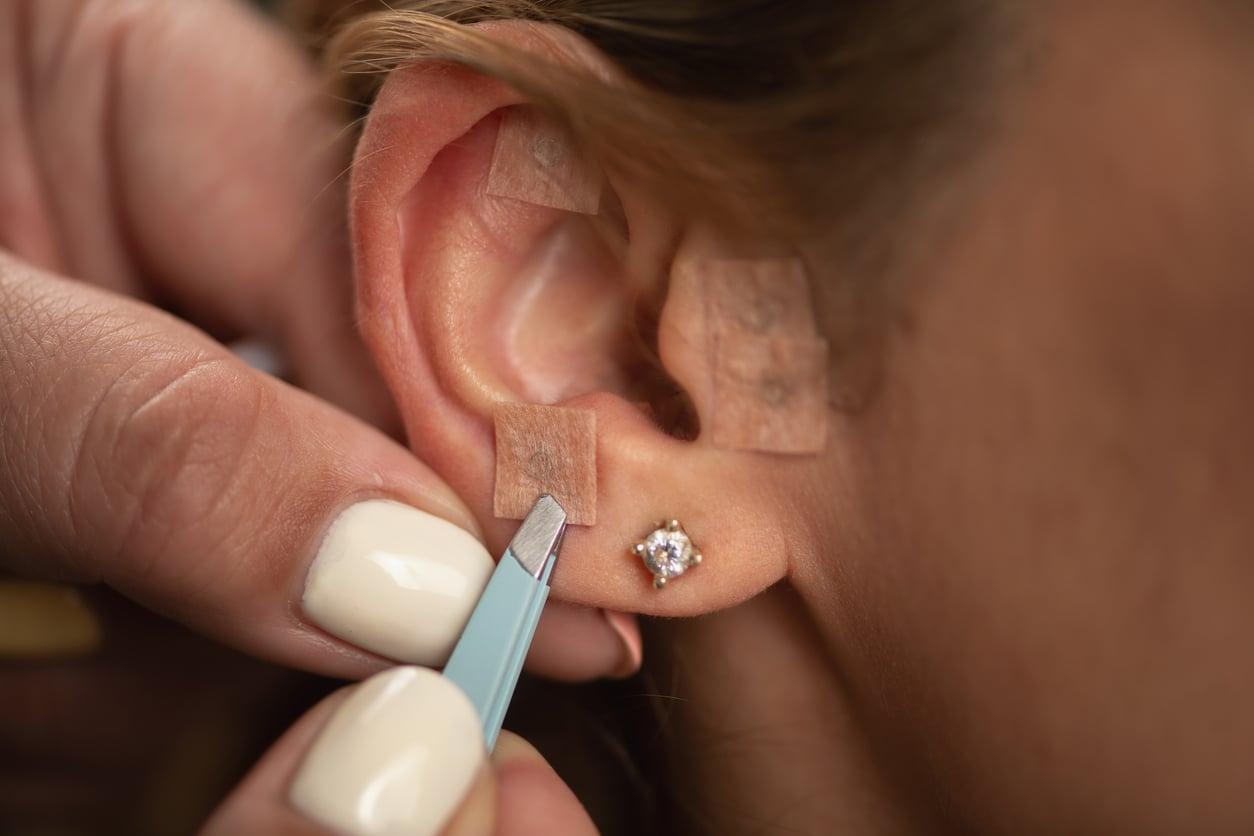
In its modern, non-invasive form, tiny beads are often taped to the ear, which you can press occasionally to stimulate the points — no needles, no pain. Think of it as a reflexology-style treatment you control yourself.
What Does Science Say?
1. Stress and Anxiety Relief
A major PubMed review of 25 studies found that ear acupressure can significantly reduce anxiety levels compared to control groups. So yes, it does have an effect — though part of it may come from a placebo response, since the impact often combines mental and physical reactions. The research suggests you don’t need to stimulate many points or have long sessions to feel the benefits.
2. Better Sleep Quality
Several meta-analyses show that ear acupressure can improve sleep quality, including longer, more efficient sleep and shorter time to fall asleep. Another review found improvements even in cancer patients after ear acupressure treatment. This means positive effects can be seen even in tough health situations — though it’s not a cure.
3. Blood Pressure and Physical Symptoms
A large summary study suggests auriculotherapy (which sometimes includes acupressure) may help lower blood pressure, especially when combined with other treatments. It’s not a miracle fix on its own, but there’s some clinical evidence it can support certain physiological processes as a complementary therapy.
4. Pain and Targeted Effects
Multiple studies suggest it may have pain-relieving effects in various situations, like chronic muscle and joint pain. Instead of broad systemic effects, it likely works through local nerve reflexes to ease discomfort. (That doesn’t mean it completely eliminates pain, but it can help reduce it.)
How Might Acupressure Work?
One proposed mechanism is that the ear area is densely packed with nerves connected to the central nervous system (like the vagus nerve). Stimulating a point sends nerve signals to the brain, triggering hormonal and autonomic responses — which could explain the anxiety- and stress-reducing effects. This isn’t a classic medical mechanism but rather an integrative view of the mind-body connection.
What Else Should You Know?
- It’s not a miracle cure: even the best research doesn’t say ear acupressure can replace medical treatment — especially for serious sleep disorders, anxiety conditions, or high blood pressure.
- Effects vary by person: some feel mild or moderate relief, others barely notice a difference — personal response and placebo effects play a big role.
- Complementary, not a substitute: most studies suggest it’s best used alongside other treatments, not as a standalone therapy.
If You Want to Try It at Home
Start with a map of ear points and a few small acupressure beads. Pay attention to how you respond — many notice changes within 2–4 weeks of regular stimulation. And of course, it’s always smart to consult a healthcare professional if you have health concerns.