It’s Kind of Like Grieving
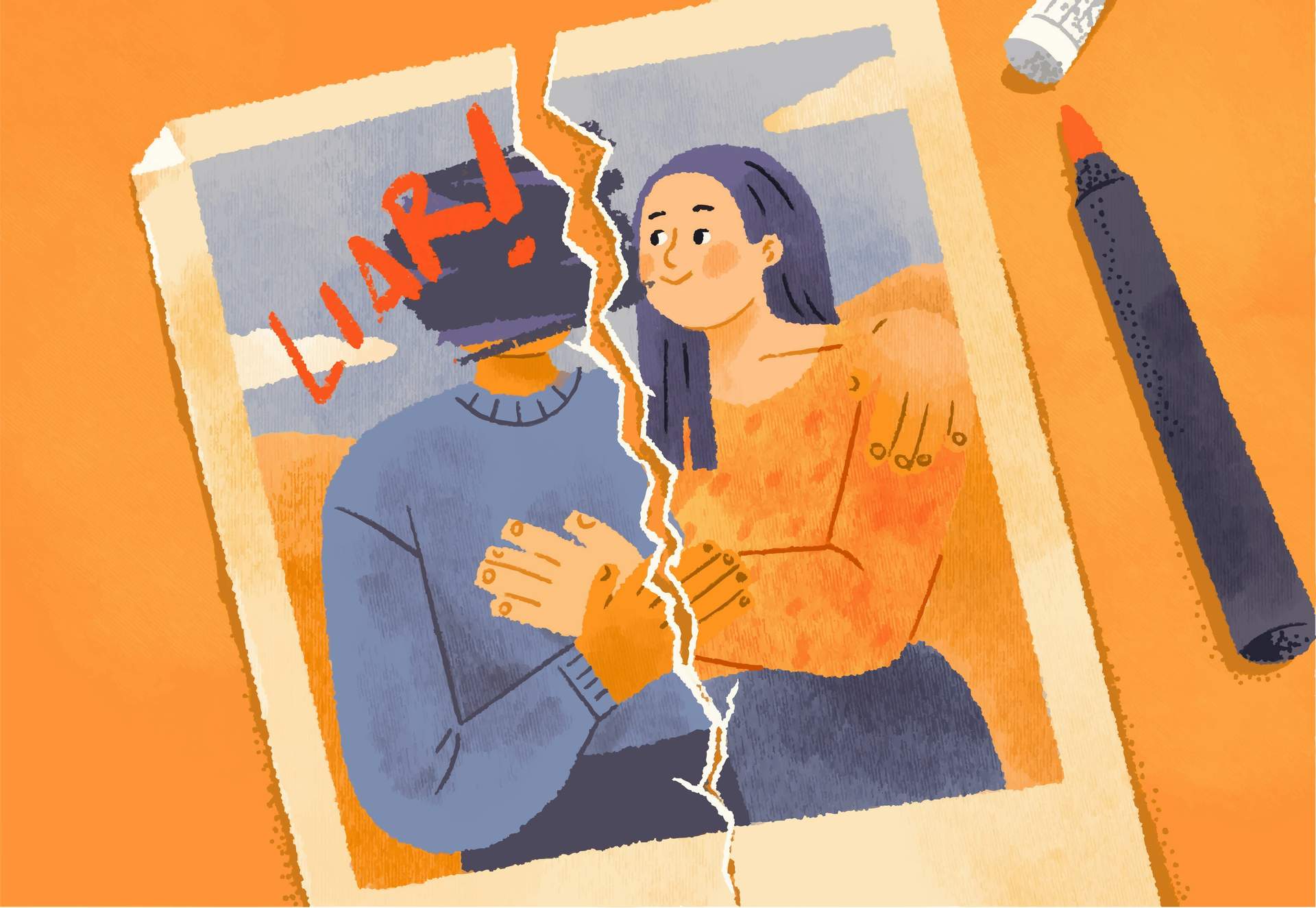
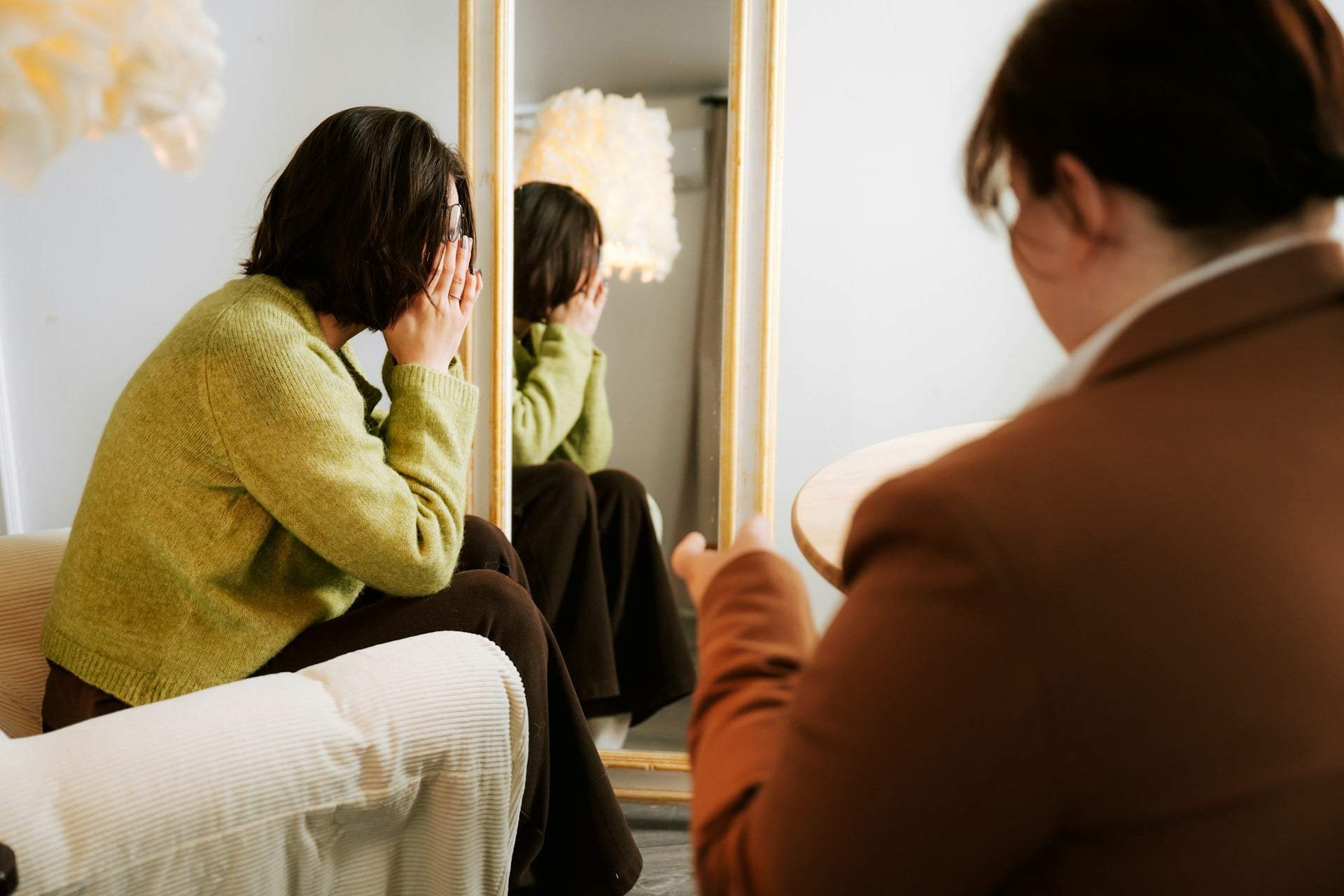
Psychologists say that the sadness you feel is similar to grief, which is totally normal. Of course, it’s not the same as losing someone close to you, but the feeling of loss after a favorite series ends is very real for many. Experts agree this reaction comes naturally to us. So, why do we feel so down?
The Connection
The biggest reason is that a bond forms between the viewer and the story or characters. We all rooted for Jim and Pam to get together on The Office or felt sad when Lorelai and Rory fought. This connection is even stronger when a show runs for many seasons or certain characters spark nostalgic feelings.
A great example is the fifth episode of Game of Thrones’ final season, where Daenerys made a controversial choice. It shows just how deeply viewers can connect with characters. Most fans also feel they should react to the plot and character decisions—just like getting worked up over a referee’s call during a soccer game. This emotional involvement highlights the strong attachment.

Watching Series Is an Escape, a Gateway to Another World
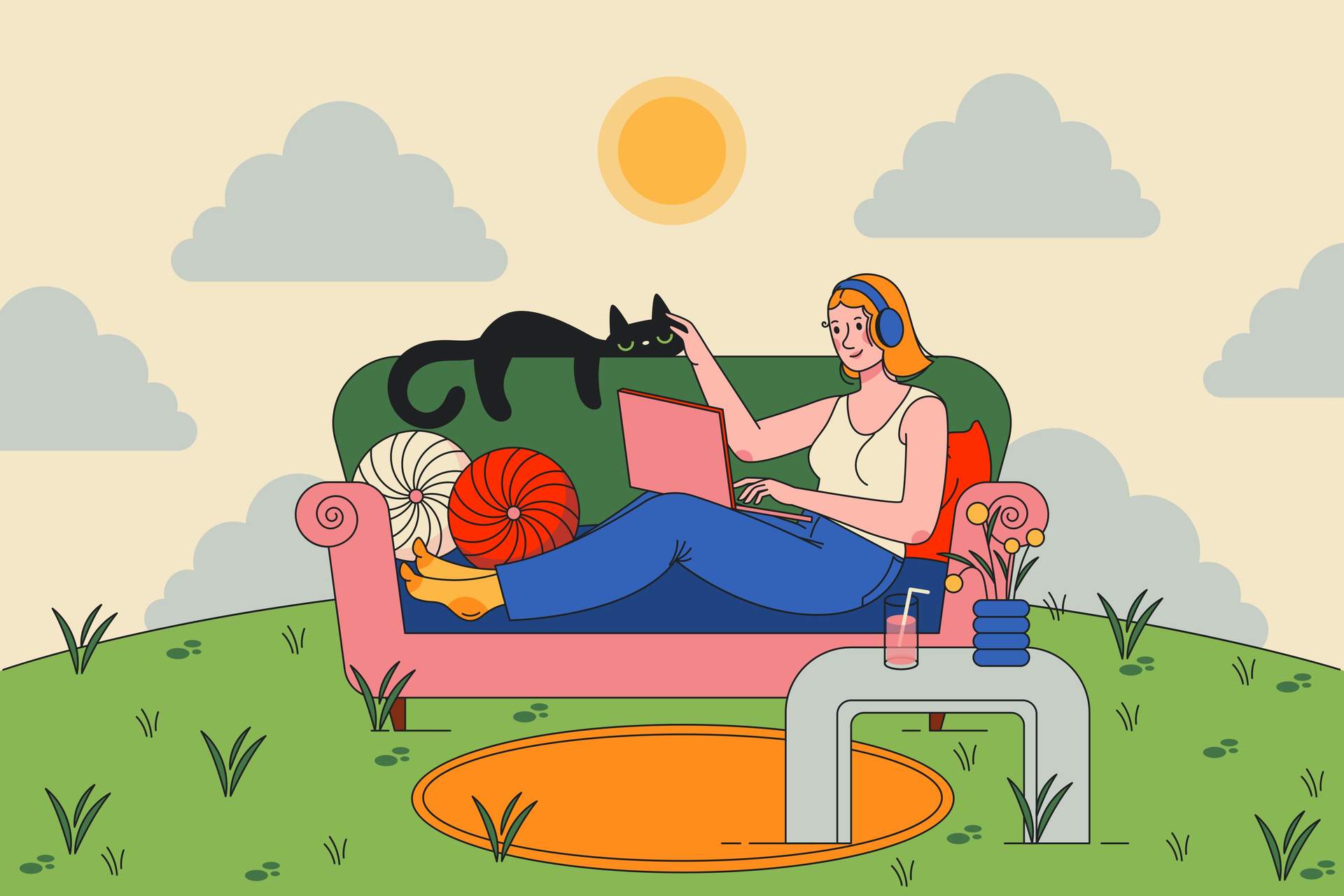
For many (I raise my hand here), series mean a chance to step away from reality and dive into another world. During that time, problems fade, and thoughts can roam free. That’s why returning to real life can feel tough after the finale.
Another key point: new episodes usually drop at the same time (or if the whole season is released, you might watch 1-2 episodes daily after work), so watching the series becomes a meaningful routine. When that routine ends, it naturally triggers a sense of loss. Experts also note that if TV characters replace real-life relationships, it’s worth rethinking those attachments.
The End of Long-Running Series Feels Like Reflecting on Our Own Lives
Game of Thrones is a perfect example: fans followed the characters’ journeys for 8 years. During that time, big changes happen in fans’ own lives, and the series becomes a reminder of time passing and life events. The long waits between seasons also deepened the bond between viewers and the show. It’s no surprise that when the series ends, fans reflect on their own lives too.
Simply Missing the Experience of Watching
No matter how or with whom you watch a series, you also say goodbye to the rituals tied to it after the finale. This adds to the feeling of loss. For many, watching a series is a ritual—maybe during dinner or with a partner or friends. Losing that favorite pastime naturally brings sadness.
Plus, series spark countless conversations, especially when millions watch and a show becomes iconic. This social connection creates a shared experience. Fans speculate about what’s next and discuss it with friends and coworkers. After the finale, that sense of belonging fades, and since belonging is a fundamental human need, this loss feels heavier.

What Can You Do to Feel Better?
If you’re feeling down because your favorite series has ended, it’s helpful to figure out what you’re really missing the most. Ask yourself if it’s the friends you watched it with or if it played a bigger role in your life.
If it’s the former, the fix can be simple. Find a new weekly ritual together or pick another series to enjoy as a group. But if the ending hits you harder, consider talking to someone you trust. You might just need to open up a bit more to the world, reconnect with friends, and strengthen those bonds.
If it’s the escape you miss, try picking up a new hobby that recharges you. Whether it’s crafting, reading, meditation, a new sport, or cooking—do what makes you happy and relaxed.