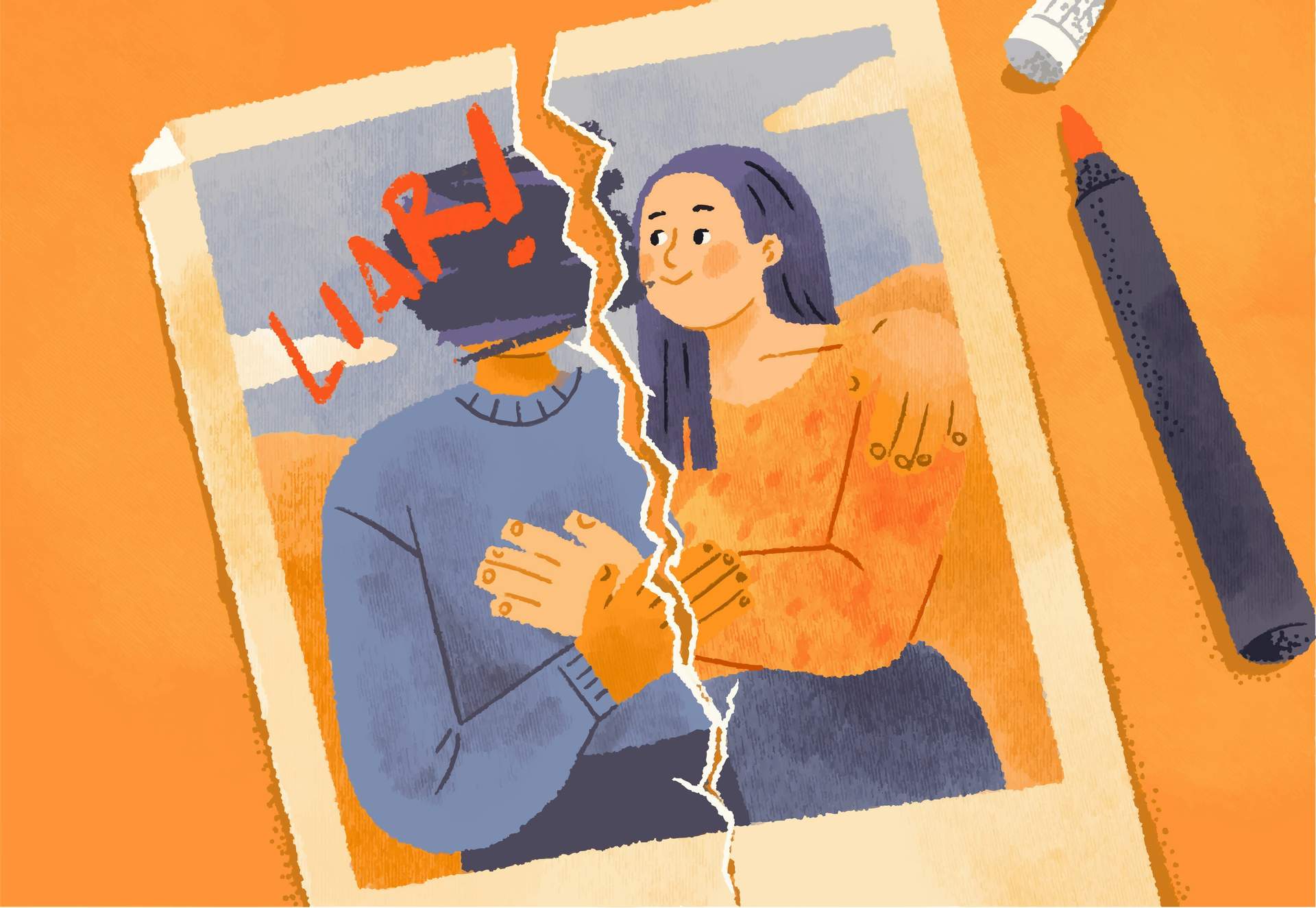
Do you often find yourself in social situations feeling like an outsider, more of a silent observer than a true part of the group? If you notice others laughing and chatting but don’t feel that close connection or community spark they share, you’re definitely not alone. Psychologists say this isn’t just about shyness or being reserved — there are deeper reasons behind it, like childhood emotional neglect, which strongly shapes how we experience social bonds later on.
What Is "Emotional Neglect"?
In these moments, the child receives the unspoken message that their feelings don’t matter.
This doesn’t mean their physical needs weren’t met — often everything seemed fine on the surface — but emotional support, being truly heard, and understanding their inner world were missing. Physical care without emotional presence can still impact how relationships unfold later in life.

Why Do You Still Feel Like an Outsider?
As an adult navigating social situations, those early patterns — like suppressing emotions — start to shape your relationships. Emotions connect us: they’re the inner experiences that help us deeply understand and respond to others.
If you grew up learning your feelings didn’t matter, it’s harder to connect with others’ emotions and to feel like you truly belong.
This inner experience can make it seem like others bond effortlessly while your connections feel shallow. You might handle social settings well on the outside, but inside you feel empty or anxious. You see everyone laughing and chatting around you, yet you don’t feel part of the group.
This doesn’t mean you’re actually an outsider — research shows this feeling can be stronger than reality: people don’t actually see you as an outsider; it’s just how you feel inside.

How Does This Behavior Develop?
Psychologists explain that suppressing emotions learned in childhood later shows up as an “emotional barrier” that makes connecting with others harder. Processing emotions isn’t just about feeling them — it’s about sharing, responding, and fully experiencing moments together.
If you never learned how to express, experience, or accept your feelings, these skills remain tough as an adult. That’s why the spontaneous, deep connections others enjoy might feel unfamiliar or out of reach for you.
How Can You Ease the Feeling of Being an Outsider?
Change rarely happens overnight, but practical steps can help you move forward.
- Notice when you feel this way. The first step is recognizing the "outsider feeling" and understanding it’s just a feeling — not a fact.
- Challenge social situations: Don’t let fear or anxiety keep you from social events — start small and gradually push your comfort zone.
- Share your fears with someone you trust! Talk to a friend, partner, or family member about how you feel — this alone can build connection. Work on recognizing and accepting your emotions through self-reflection or therapy to become more present in your relationships.