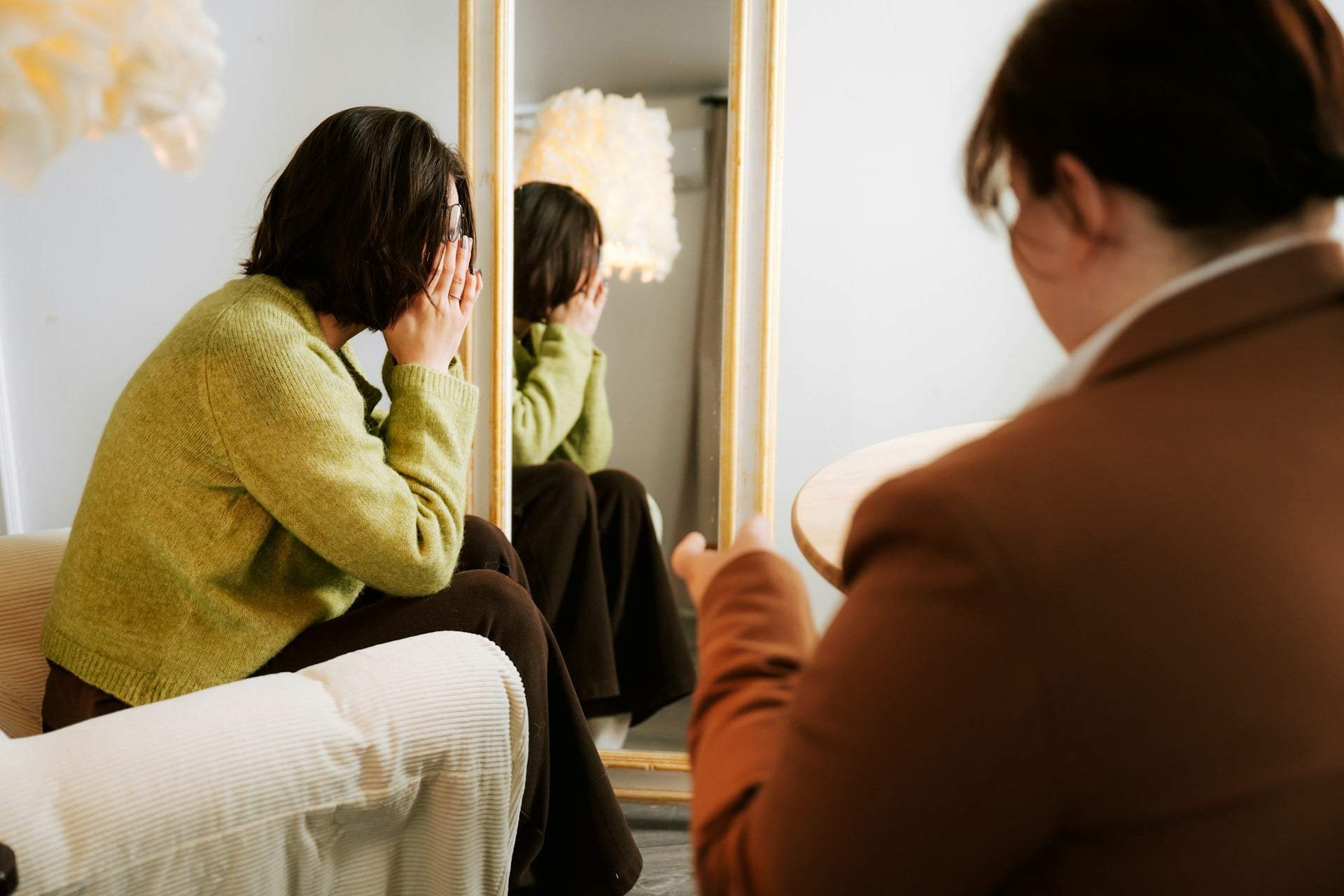
Everyone reaches a moment when they must face themselves and their inner world. Self-love and self-acceptance are essential not only for emotional balance but also for physical well-being.
How Does Self-Love Affect Us?
Self-love has long been a focus of psychology and Eastern teachings. Psychology sees self-love as the key to mental health. Healthy self-esteem and acceptance help us handle stress better and face life’s challenges with optimism.
Eastern philosophies, especially Buddhism, highlight the importance of self-acceptance, meditation, and mindfulness. Self-love isn’t selfish; it’s about embracing our flaws, acknowledging our vulnerabilities, and practicing forgiveness toward ourselves.

The Inner Child and Its Connection to Self-Love
Within each of us lives an inner child—our sensitivity, curiosity, and playfulness. Our relationship with this inner child shapes how we experience emotions as adults. If we lacked enough love or recognition as children, we might feel a void as adults that only self-love can fill. Embracing and nurturing this inner child brings harmony to our relationship with ourselves.
The Harmful Effects of Lacking Self-Love
Without self-love, many emotional struggles can arise, including depression, anxiety, and low self-esteem. These issues affect not just our minds but also our bodies. Studies show that people who undervalue themselves are more prone to chronic illnesses because stress weakens the immune system.
Low self-esteem also makes us vulnerable to toxic relationships where we’re undervalued and disrespected. Practicing self-love empowers us to break free from these situations and recognize our true worth.

How to Start Loving Yourself
Self-love can be learned. It doesn’t happen overnight, but these steps can help you begin the journey.
- Get to know yourself: Spend time reflecting on what brings you joy and what triggers anxiety.
- Practice forgiveness: Learn to forgive yourself for past mistakes so you can move forward.
- Cultivate positive relationships: Surround yourself with people who love and appreciate you.
- Set boundaries: Know when and how much you’re willing to give without losing yourself.
Practices to Embrace Your Inner Child
Gentleness and acceptance are key when connecting with your inner child. Meditation, visualization, and daily journaling are powerful tools to nurture this bond. Imagine your childhood self and approach them with love and acceptance—this helps you experience true self-love.
Self-love benefits not only your soul but also your physical health. It reduces stress and boosts overall well-being. Inner harmony naturally shines through your appearance because when you feel good about yourself, others notice it too.
Self-love isn’t just a buzzword—it’s a lifestyle that changes how we see and experience the world.
When self-acceptance becomes part of our daily lives, we truly begin to flourish.
This leads not only to a happier life but also to a healthier body and mind, improving all our relationships—especially the most important one: the relationship with ourselves.