Many picture creativity as a privilege of youth. Geniuses bursting onto the scene in their twenties, full of world-changing ideas and fearless energy—then fading as they age, burned out or unable to keep pace with a changing world. But research tells a much more nuanced story.
The level stays the same, the approach changes
One key insight from studies on this topic is that creativity doesn’t disappear over time—it evolves. Fresh analyses show that in many fields, midlife is actually the most productive period.
Data shows creative output often peaks later in life, and quality closely follows quantity: the more someone creates, the higher the chance of outstanding work.
This partly explains why “young geniuses” dominate popular conversation. Not every creative path works the same way. Research distinguishes between so-called “conceptual” and “experimental” creators. The former—like some artists or mathematicians—do tend to peak early, while the latter, who build gradually through experience, often reach their peak later.
This difference helps us see why the question “does creativity decline?” can be misleading. The answer is more about a shift in how it works. Young minds generate ideas faster, think bolder, and face fewer internal limits. Older creators bring deeper knowledge, sharper problem-solving skills, and a greater ability to think in complex systems.
It depends on how we nurture it
Another important takeaway from research is that creativity is not a fixed trait but a skill we can develop. It doesn’t “run out” with age; its quality depends on how much we use it.
Psychological studies suggest creativity can be maintained or even boosted at any age through practice, experience, and the right environment.
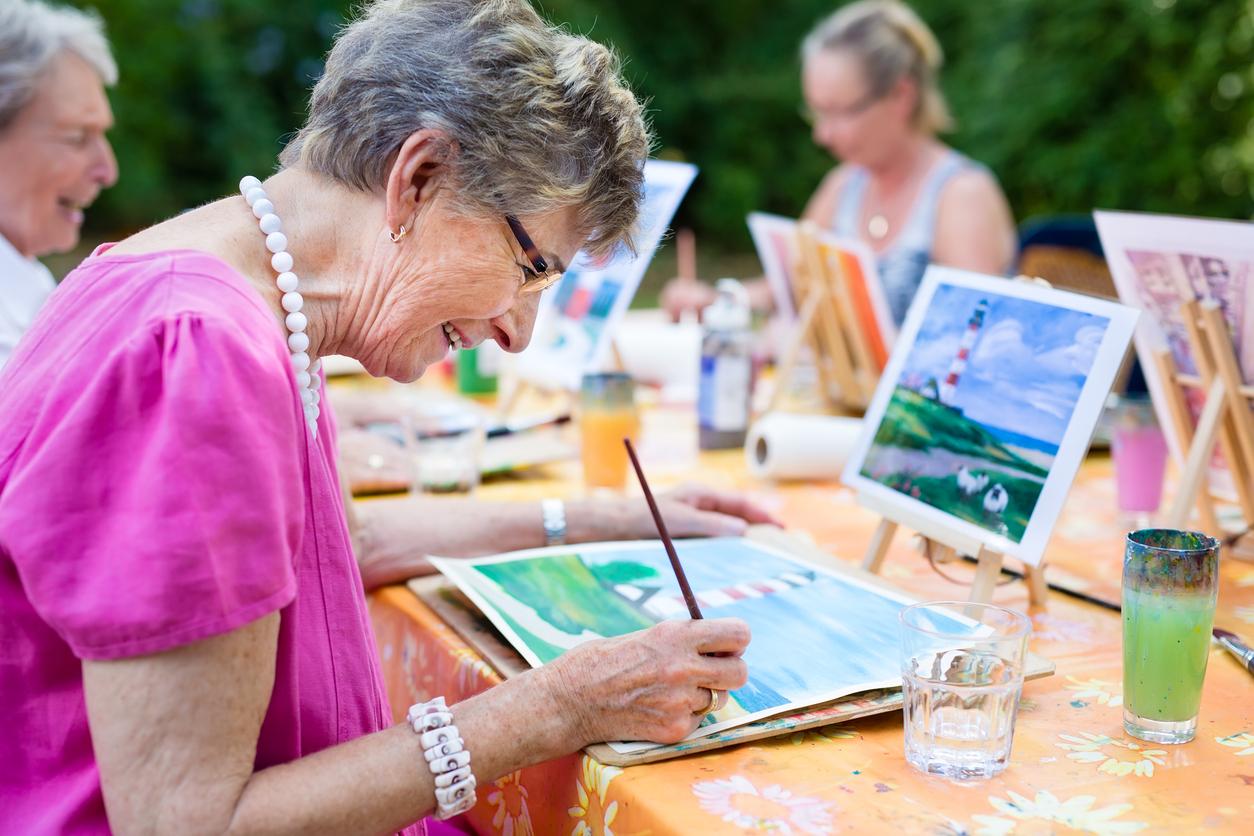
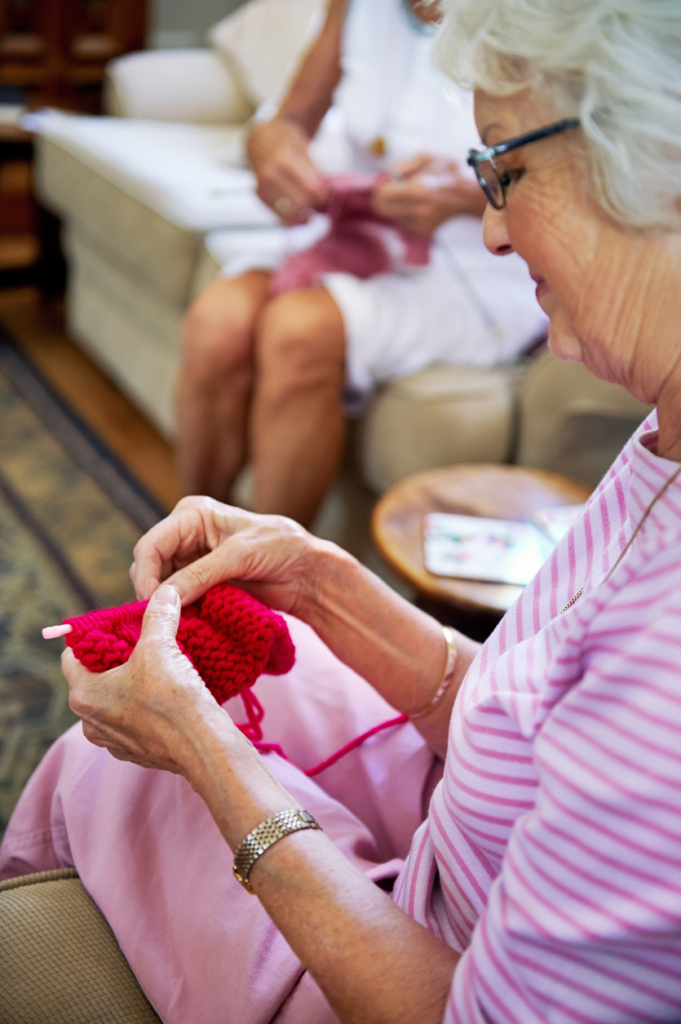
Interestingly, neuroscience sheds new light on the link between creativity and aging. Recent studies suggest creative activities—whether painting, music, or even play—can actually slow brain aging. Regular creators show measurably “younger” brain function.

A two-way street
This means creativity not only endures but can influence the aging process. It’s not a passive trait but an active resource: the more we use it, the more it supports mental sharpness.
Midlife creative peaks come from several factors. By then, accumulated knowledge and experience spark new ideas. Professional networks, collaborations, and opportunities often reach their strongest point. Creativity is never an isolated “spark” but part of a complex system, even then.
It’s also key to see that creative output isn’t steady throughout life. It ebbs and flows: early breakthroughs, quieter phases, then fresh productive years. This is especially true for those working across fields or shifting focus over time.
Overall, the data doesn’t back the simple story that creativity fades with age. It’s more about taking on new forms. Quick, intuitive ideas give way to deeper, experience-driven creation. And while creativity’s nature changes, its potential stays alive.