Jewellery that has shrunk out of view
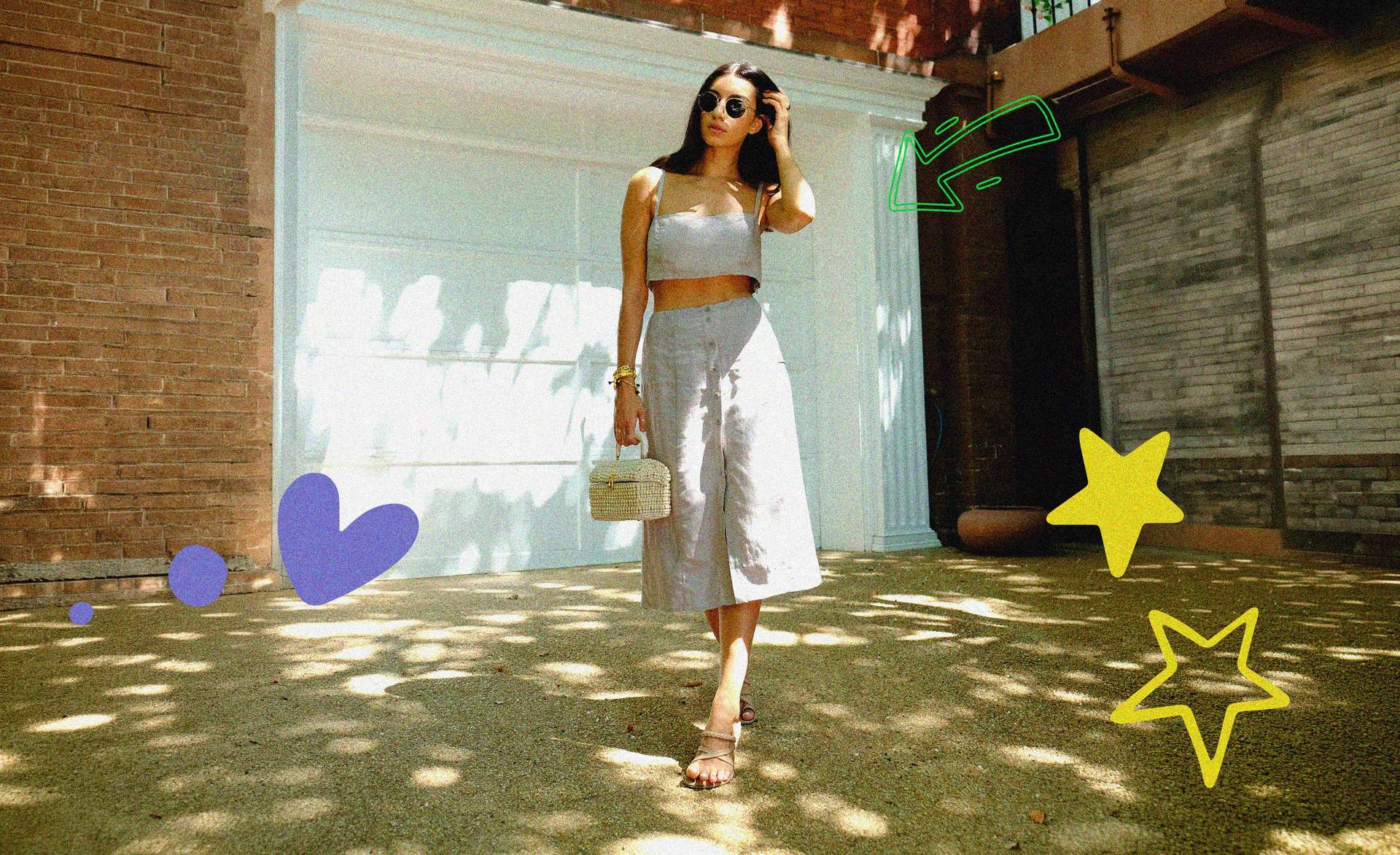
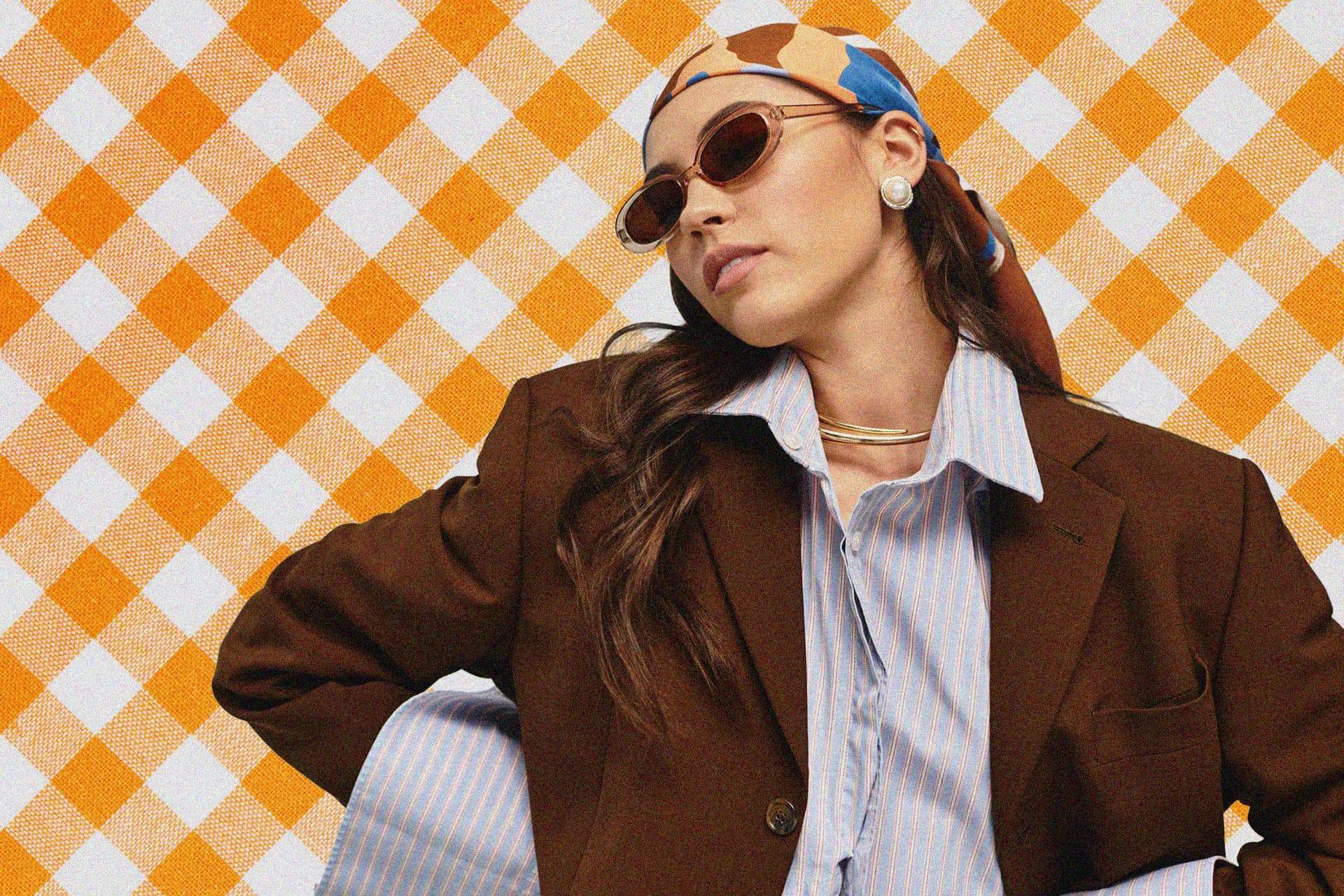
Very fine chains and small studs are lovely close up and invisible from two metres, especially over knitwear or a collar. When the only jewellery in an outfit disappears, the outfit reads as unfinished, and we compensate by adding more small pieces until the effect is busy rather than bold.
The swap is one deliberate piece with presence: a sculptural hoop, a wide cuff, a chunky chain worn alone, a large stone ring. Layer if you love layering, but let one piece lead. Strong, simple metal near the face is one of the fastest ways to look current.
The stiff, short-strapped shoulder bag
A structured bag with a strap that sits high under the arm forces a particular posture — elbow clamped, shoulder raised — and the silhouette it creates is instantly recognisable as another era. It also tends to be the piece with the most tired hardware, because we carry it daily for years.
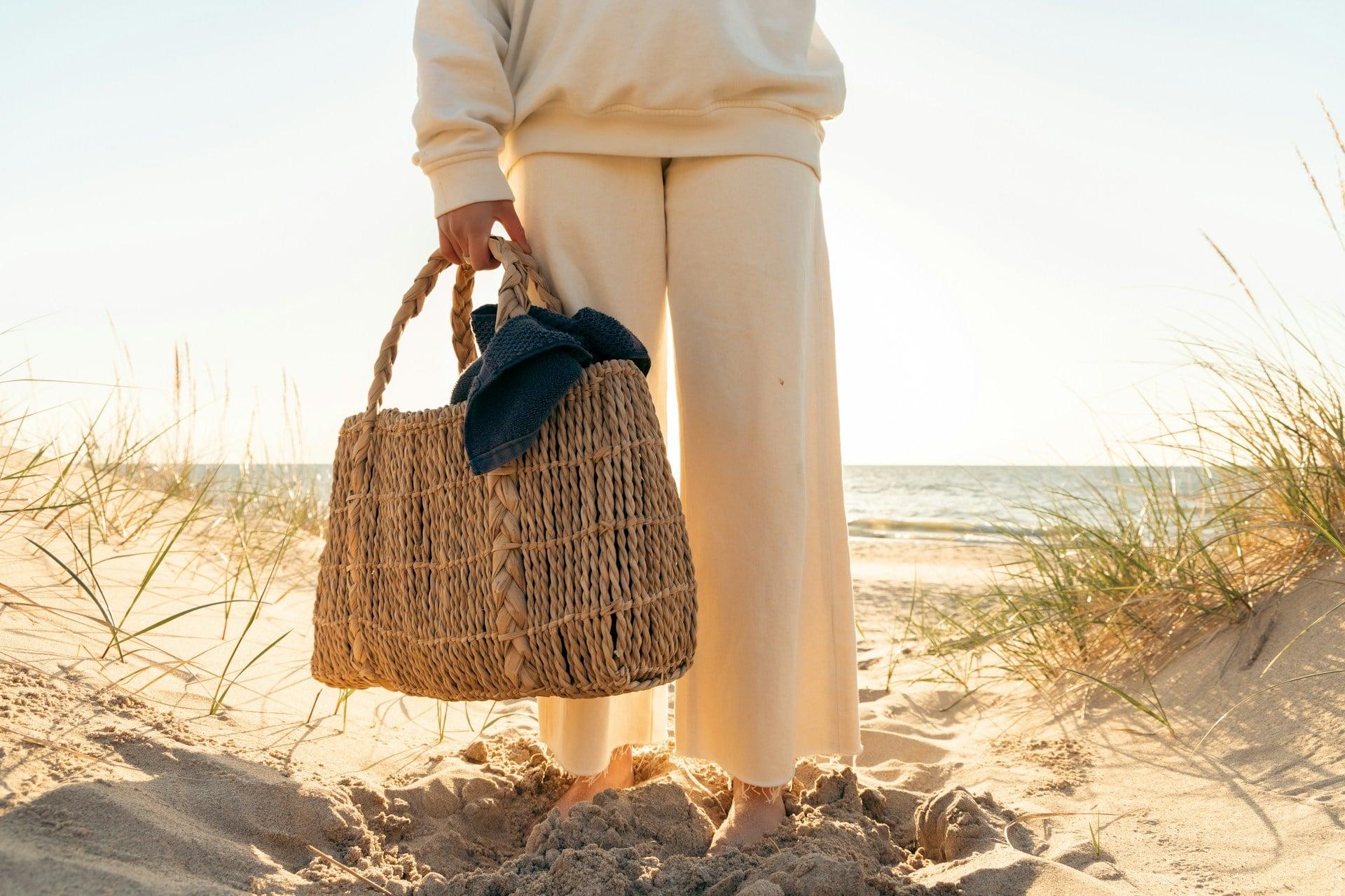
Softer shapes with longer straps sit better on a modern outfit: a slouchy shoulder bag with a drop that reaches the hip, a crossbody worn diagonally over a coat, a roomy tote carried in the hand. Check the hardware on the bags you're keeping, too. Scuffed gold-tone plating ages a look faster than the shape ever will.
Does this mean I should get rid of my classics?
Absolutely not, and please don't. Almost everything on this list is fine in isolation — the problem is nearly always the automatic combination, three or four dated habits stacked in one outfit. Keep the pieces you love and break the set instead: wear the court shoes with a bolder bag, the small scarf with a big earring, the structured bag with trainers.
If I only update one accessory, what should it be?
Shoes, every time. They set the proportion of the trousers, they change how you walk and stand, and they are the item most people look at without realising. One pair of well-made, comfortable shoes in a current shape will modernise a whole wardrobe of clothes you already own — far more than a new coat would.