What if the cold wasn’t your enemy, but your ally?
When winter arrives, many of us instinctively turn up the heat, bundle up in thick sweaters, and rely on hot drinks to get through the chilly months. But science shows that mild cold might actually be a key to boosting metabolism—and even slimming down. According to the BBC, the secret may lie in a lesser-known but fascinating type of body fat: brown fat.
What is brown fat, and why is it special?
Most of us think of fat tissue as the enemy—and with good reason. White fat stores energy around the thighs, hips, and waist. Brown fat works differently: it burns energy instead of storing it.
This fat activates when we feel cold. Its cells are packed with mitochondria—the body’s “power plants”—which use a special protein to turn calories directly into heat instead of energy. In other words, brown fat literally warms your body.
Why was it vital, and why do we still have it?
As newborns, we all had plenty of brown fat. Babies can’t shiver effectively yet, so they rely on this internal “heater” to keep their body temperature steady.
For a long time, scientists thought brown fat disappeared completely in adults. But in 2009, Finnish and Swedish researchers proved that adults still have it, and it can be activated in cool environments. Interestingly, leaner people tend to have more brown fat, while those with obesity have less.
It’s not just about weight loss
Important to note: brown fat isn’t a magic bullet for weight loss. It makes up a small portion of the body’s fat, so it can’t “melt away” white fat on its own.
Research shows brown fat plays a significant role in improving metabolic health. People with active brown fat often have:
- lower blood sugar levels,
- better insulin sensitivity,
- healthier cholesterol levels,
- and less frequent type 2 diabetes and cardiovascular issues.
So brown fat supports your body’s inner balance more than promising quick weight loss.
How can we “wake up” brown fat?
1. Cold—but not extreme
Cold is the main trigger for brown fat. No need for icy baths—studies show even small changes help, like:
- sleeping in a cooler room (around 18–19 °C / 64–66 °F),
- switching briefly from warm to cold water in the shower,
- and not overheating your home in winter.
The key is to feel a gentle chill—not extreme cold.
2. Getting used to the cold
Some studies had participants spend several hours daily in cool environments. After a few weeks, not only did their brown fat activity increase, but they also tolerated the cold better and shivered less.
Do coffee, chili, and spicy flavors really help?
Caffeine: Some research suggests that coffee can mildly stimulate brown fat. But moderation matters—drinking lots won’t flatten your belly overnight.
Chili peppers: The compound capsaicin has shown brown fat-activating effects in animal studies and small human trials, especially in the cold.
These are more like helpful extras, not the main players.
Is it worth “making friends” with the cold?
The answer: cautiously yes. Activating brown fat can support metabolism and improve blood sugar and insulin sensitivity—but only alongside a healthy lifestyle.
Experts agree the most important things remain:
- a balanced, heart-friendly diet,
- regular exercise,
- enough sleep,
- and avoiding ultra-processed foods.

What you definitely need to know
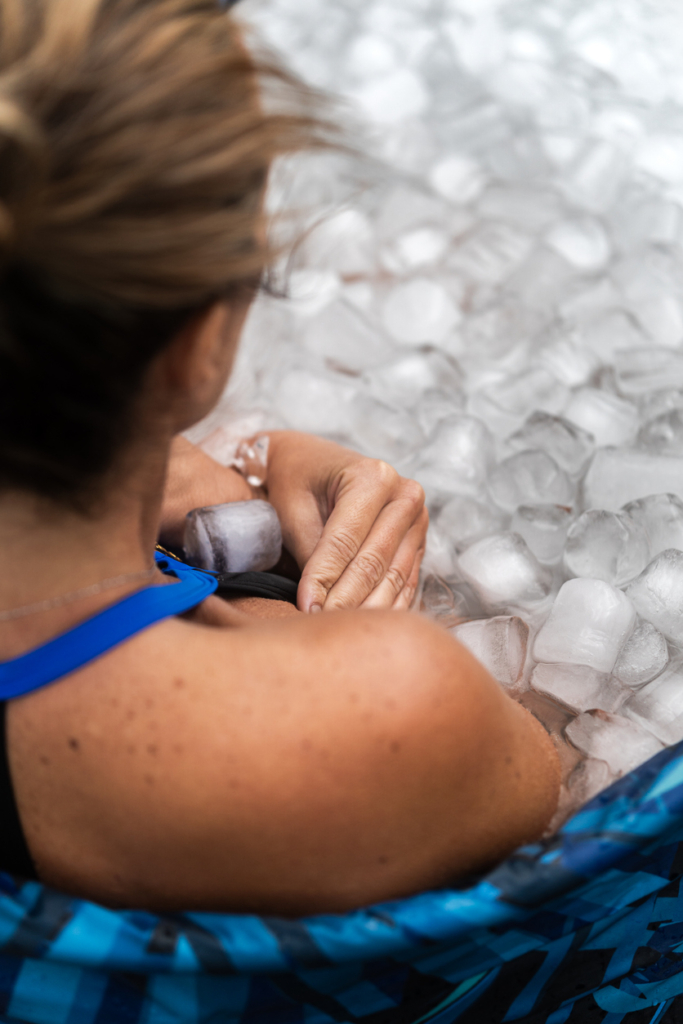
Cold therapy—especially ice baths or winter swimming—is not safe for everyone. If you have heart or vascular conditions, high blood pressure, or other chronic illnesses, always consult your doctor first.
Also, remember that brown fat isn’t a miracle cure. It’s a reminder of how smart our bodies are. Sometimes, the best help isn’t avoiding the cold completely but giving your body space to adapt naturally—tapping into that inner “heater” working just for you.