
In recent years, we've seen plenty of stories about dramatic weight loss, especially due to new medications and extreme methods. While losing excess weight is often more than just a cosmetic issue, how it happens really makes a difference.
The scale goes down, clothes fit looser – many set this as a New Year’s resolution. Yet, when the weight starts dropping, the expected energy boost might not show up; instead, fatigue and weakness can settle in. This isn’t random and isn’t just about a calorie deficit: some weight loss methods ruthlessly break down not only fat but also valuable muscle.
The Long-Term Cost Behind Quick Results
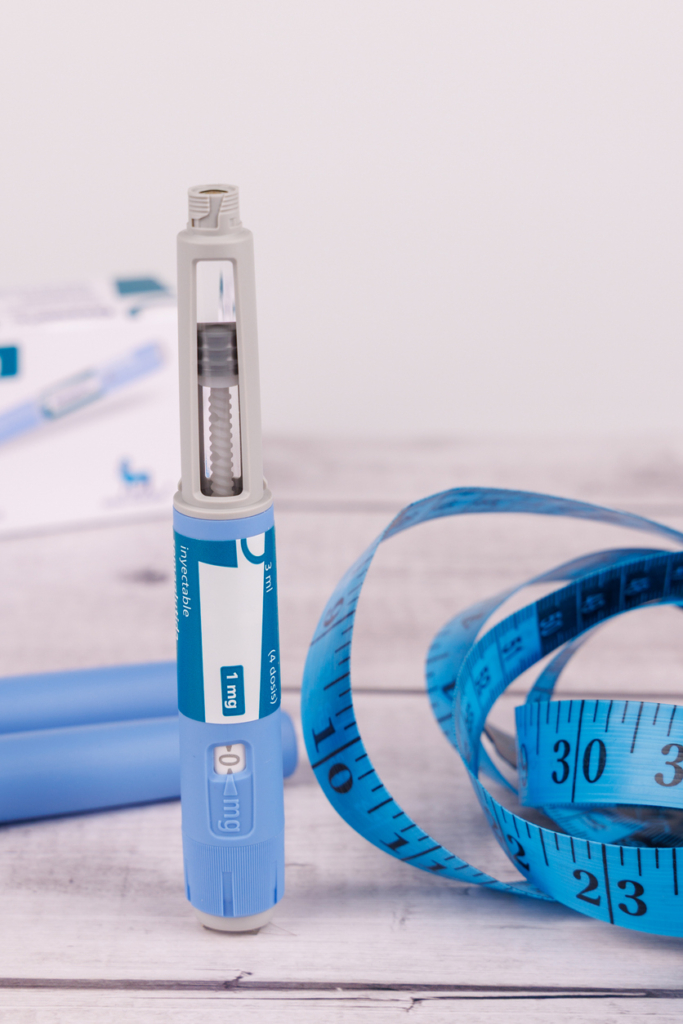
A recent Gallup survey shows that obesity rates in the U.S. dropped from 40% to 37% between 2022 and 2025, alongside the explosive rise of GLP-1 receptor agonists. These drugs mimic a natural hormone that curbs appetite, slows stomach emptying and digestion, and helps stabilize blood sugar. Weight often drops quickly and noticeably.
But your body can’t tell you want to lose only fat: it simply seeks vital energy.
Weight loss isn’t the same as fat burning. When you eat less than your body uses, it first taps into glycogen stores. These carbohydrate-based energy reserves deplete quickly, taking water with them, which is why early changes look so dramatic. Once this reserve runs out, your body mainly burns fat—but not exclusively. Muscle protein also becomes a target because it can quickly convert to glucose, turning muscle into an emergency energy reserve.
The Scale Doesn’t Show What You’re Losing
Dr. Caroline M. Apovian, co-director of the Weight Control and Wellness Program at Brigham and Women’s Hospital affiliated with Harvard, notes that about 25% of weight lost is muscle, regardless of the method. That’s significant, but it’s worse when weight loss is rapid—like with GLP-1 drugs or extreme low-calorie, low-carb diets. Simply put: the faster the pounds drop, the more likely you are to lose muscle mass dramatically.
This matters because muscle isn’t just about looks. Muscle mass affects metabolism, strength, hormones, and how easy it will be to maintain your weight later. Less muscle means you burn fewer calories even at rest, increasing the risk of regaining weight while your body instinctively switches to “energy-saving mode.”
The Good News: It Doesn’t Have to Be This Way
Research and clinical experience show that muscle loss can be greatly reduced by treating weight loss as a steady journey, not a sprint. Medical guidelines consider losing half to one kilogram (about 1 to 2 pounds) per week safe and effective. At this pace, your body is more likely to burn fat for energy. But your muscles need to stay active. Resistance training—whether bodyweight exercises or weights—signals your body to preserve muscle instead of breaking it down for fuel.

Equally important is adequate protein intake. While usually sufficient, protein deserves special attention during calorie deficits. The general recommendation is 0.8 grams per kilogram of body weight daily (for example, 52 grams for a 65 kg person), but more is needed with an active lifestyle, especially as we age. Studies show that for those over 65, 1.2 to 1.5 grams per kilogram with regular strength training helps preserve muscle mass.
The real question isn’t how much you lose, but what you lose, because this shapes your long-term health and well-being. You lose proportionally more muscle than fat if you lose weight too fast, eat too little, and don’t give your muscles enough stimulus and nutrients. Quick weight loss is tempting, but the best approach is one that leaves you not just lighter, but stronger and more energized.