For years, modern dating ran on one unspoken rule: the less you seemed to care, the more attractive you appeared. The "I'm not really into it" attitude, the careful emotional distance, the relationships with no clear label — all of it quietly shaped how entire generations looked for love.
But something is shifting. Gen Z is increasingly rejecting the "nonchalant" playbook of casual indifference, and they've coined a new word for what they truly crave: a "chalant" relationship. It's the opposite of coldness — a connection where interest, attention, and emotional presence feel completely natural.
Is the "situationship" era finally giving way to real care?
In recent years, one word has taken over young people's dating lives: situationship. It describes those in-between connections that are more than a casual acquaintance but less than a real relationship: there's attraction and shared time, but no clear commitment.
SheKnows writer Esme Towles used her own college experience to show how this hazy relationship style became almost the default for so many young people. She noticed that showing genuine interest had come to feel like "too much," while acting aloof and emotionally distant became the accepted norm.
The "chalant" trend is a direct response to that: young people increasingly don't want relationships where they have to guess how the other person feels.
So what exactly is a "chalant" relationship?
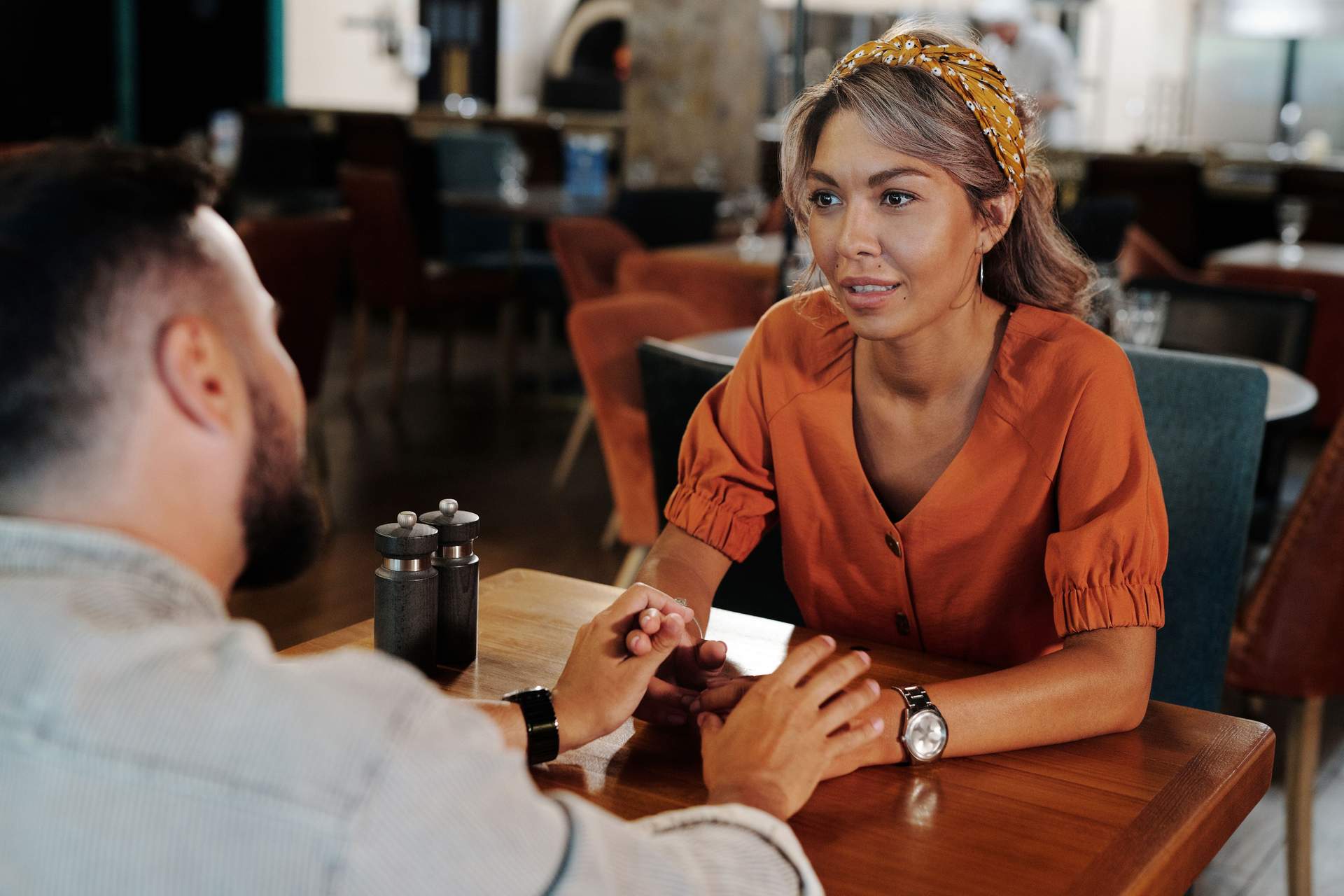
Being "chalant" doesn't mean being clingy or demanding constant attention. It means that in a relationship, both people are willing to actually show up.
In this kind of connection, it feels natural to:
- show that you're happy to see the other person,
- take a real interest in their life,
- own your feelings,
- invest time and energy into the relationship,
- stop artificially keeping things uncertain.
The message behind it is simple: caring isn't cringe, attentiveness isn't weakness, and commitment isn't a loss.
Why did caring start to feel "embarrassing"?
Social media likely played a big role in making emotional distance look attractive for so long. Online slang like "simp" — a mocking label for a partner seen as too attentive — may have pushed a lot of young people to hold back their affection.
For a while, many wouldn't even publicly claim the person they were seeing, worried it might look like they were "overdoing" the affection. But in honest conversations with friends, more and more people started to realize this behavior wasn't actually making them happy.
The problem was that while so many people longed for attention and security, they felt that asking for it in today's dating culture would be too much to expect.
Gen Z is rediscovering the value of emotional security
The "chalant" phenomenon shows that young people's attitude toward relationships is changing. More and more of them are saying it out loud: they no longer want situations where a lack of interest is supposed to read as attractive.
The idea has caught fire on social media, too. On TikTok, a growing wave of videos captures a shared exhaustion with the games — and a longing for honest, dependable connections instead.
What can we learn from all this?
While "chalant" is mostly spreading among Gen Z, its message is valuable at any age. The foundation of a healthy relationship isn't about who can hide their feelings better — it's about how honestly two people can actually connect.
Beyond attraction, we also need attention, reliability, and the feeling that the other person genuinely chose us.
That may be exactly why this new dating trend is resonating: it isn't really inventing anything new. It's bringing back an old value — the idea that caring about someone isn't awkward, but one of the most important parts of any relationship.
How "chalant" could redefine modern romance
Trends move fast, and dating habits reshape themselves with every generation. But "chalant" points to a deeper need: people want to be in relationships where they don't have to play a role. Real interest, open communication, and emotional presence aren't outdated expectations after all.
Is a "chalant" relationship the same as being clingy?
No. Being "chalant" doesn't mean demanding constant attention. It simply means both people are willing to be present, show interest, and own their feelings instead of hiding them.
How is "chalant" different from a "situationship"?
A situationship is an undefined, in-between connection with no clear commitment. A "chalant" relationship is the opposite — it's built on honesty, attention, and emotional presence rather than uncertainty.
Why did showing interest start to feel embarrassing?
Social media played a role, with slang like "simp" mocking partners seen as too attentive. That pressure led many young people to hold back their affection to avoid looking like they cared "too much."
Is the "chalant" trend only for Gen Z?
Although the word spreads mostly among Gen Z, its message is valuable at any age. Caring, communicating openly, and being emotionally present matter in relationships no matter how old you are.