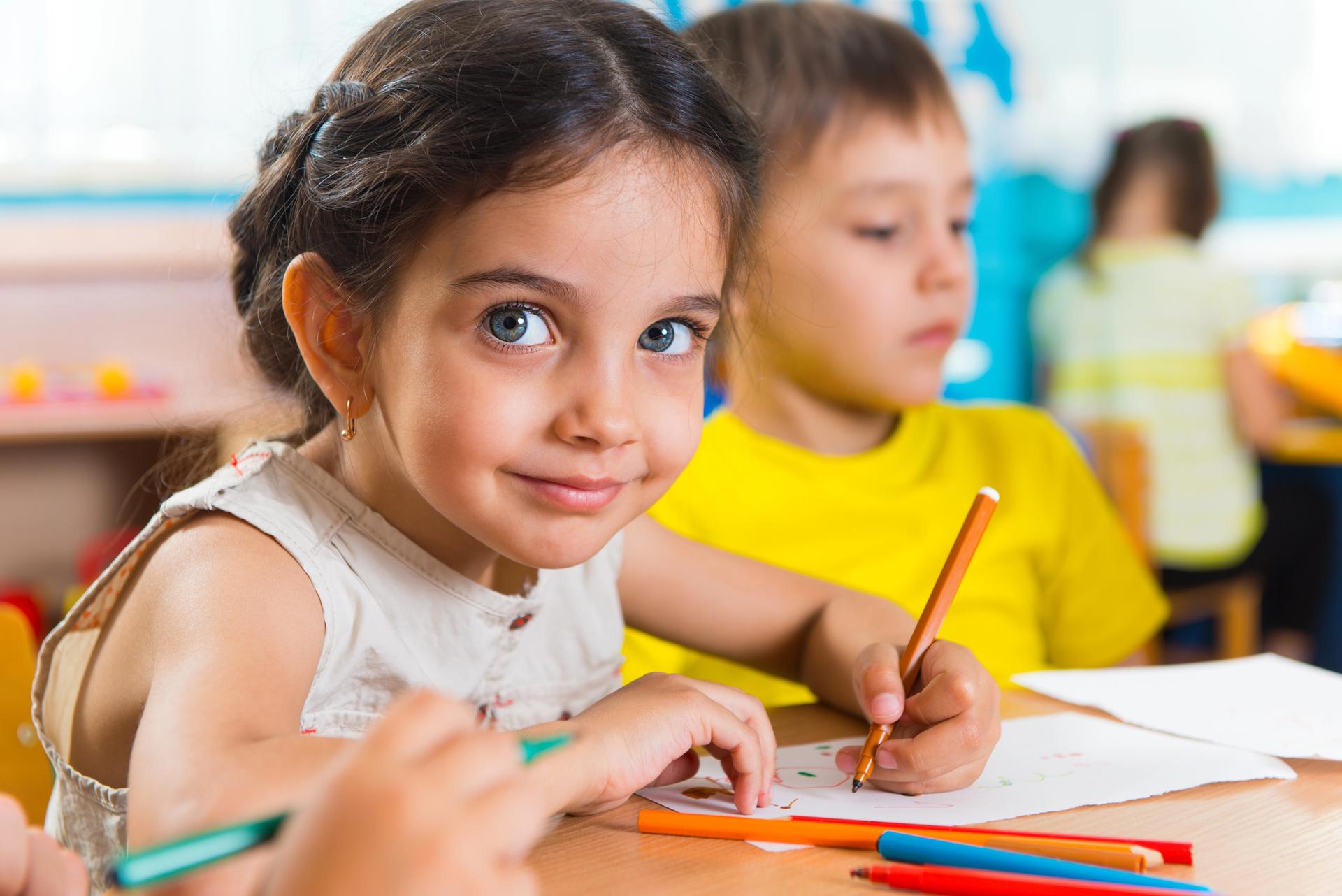
Since she was little, my daughter has loved the "strange" creatures in stories. While other kids focused on princesses or heroes, she asked about the shadowy figures lurking in the background. Those unusual characters sparked her curiosity. She wasn’t scared—instead, she was fascinated.
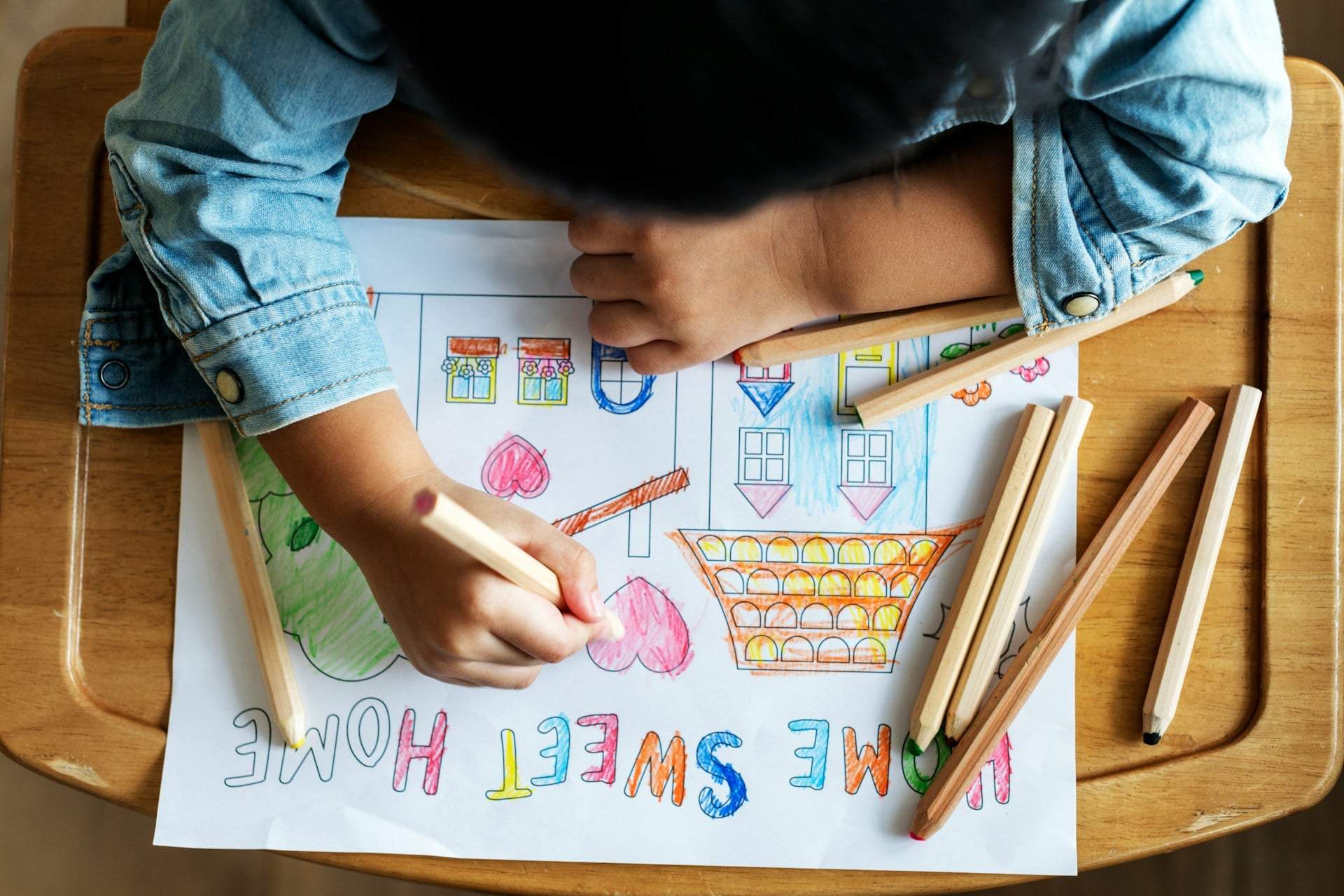
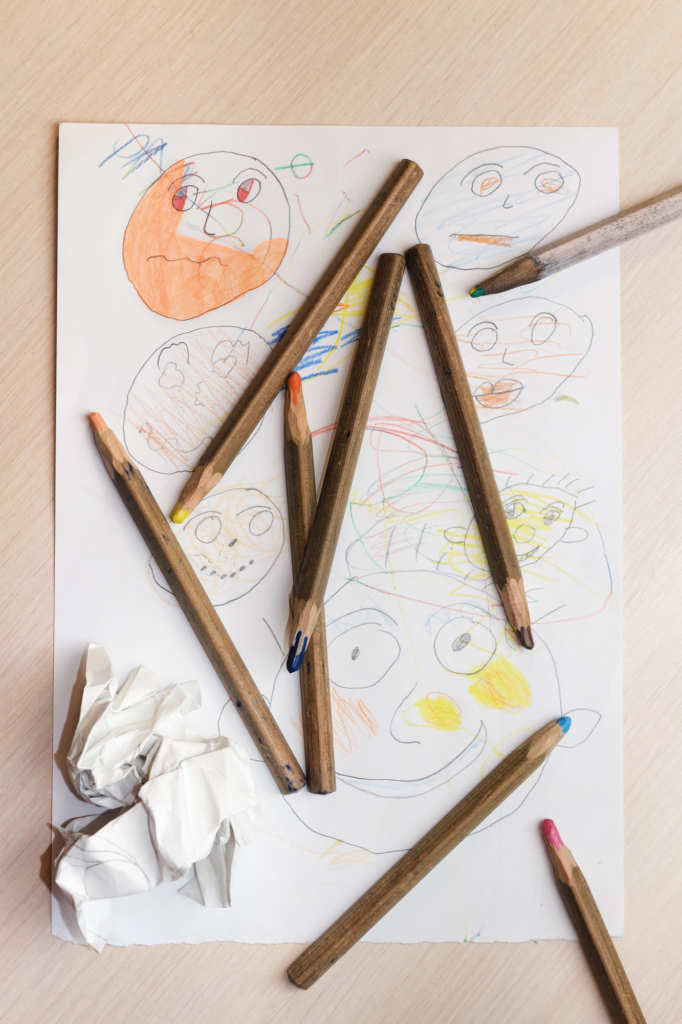
Now seven years old, she loves to draw and has an amazing imagination. Whenever she can, she creates little monsters. Sometimes self-aware robots, sometimes zombie teddy bears, vampires, or other hard-to-define creatures. Some have three eyes, some have wings, and a few, I admit, are surprisingly spooky—even to me.
I can imagine some might find this worrying. I don’t.
First, because I don’t believe you can define a child’s personality or emotional state by one isolated interest. Someone seeing only her drawings might jump to conclusions. But I see the whole picture.
I know my daughter is empathetic, kind, cheerful, and easily connects with others. She cares for her friends, comforts those who cry, and has a brilliant sense of humor. We laugh a lot together. Honestly, there’s nothing about her that raises even the slightest concern, and there’s one thing I’m absolutely sure of: she will grow up to be a good person—and that’s not just because of me, but because she’s working with great raw material. What’s also clear is that she has a vivid imagination—and it’s not about unicorns.
Her interests aren’t the most typical. But I find it hard to imagine Tim Burton painting rainbows and ponies as a child. Creativity often feeds on what’s a little different from the norm. Something a bit strange, a bit darker, a bit other.
We all have to face the idea of death, scary things, and feelings of threat in some way. These are parts of life. Kids encounter them too—in stories, snippets of news, playground talks. And while we fear the figures hiding in the dark, there’s also a morbid curiosity inside us. Otherwise, true crime shows and horror movies wouldn’t be so popular.
The only difference is that we adults often wrap it in intellectual packaging. Kids just draw.
For me, my daughter’s monster drawings aren’t about darkness—they’re about control. When she puts a zombie teddy bear on paper, she decides how it looks. She gives it a name, a story, a personality. What’s scary becomes manageable. What’s threatening turns playful. What’s chaotic becomes creative.
Drawing—and creativity in general—is a fantastic coping strategy, in my view
It lets us "befriend" the darker side without suppressing or tabooing it. Because the world isn’t just sunshine and glitter. When a child playfully processes this complexity, I see strength more than danger.
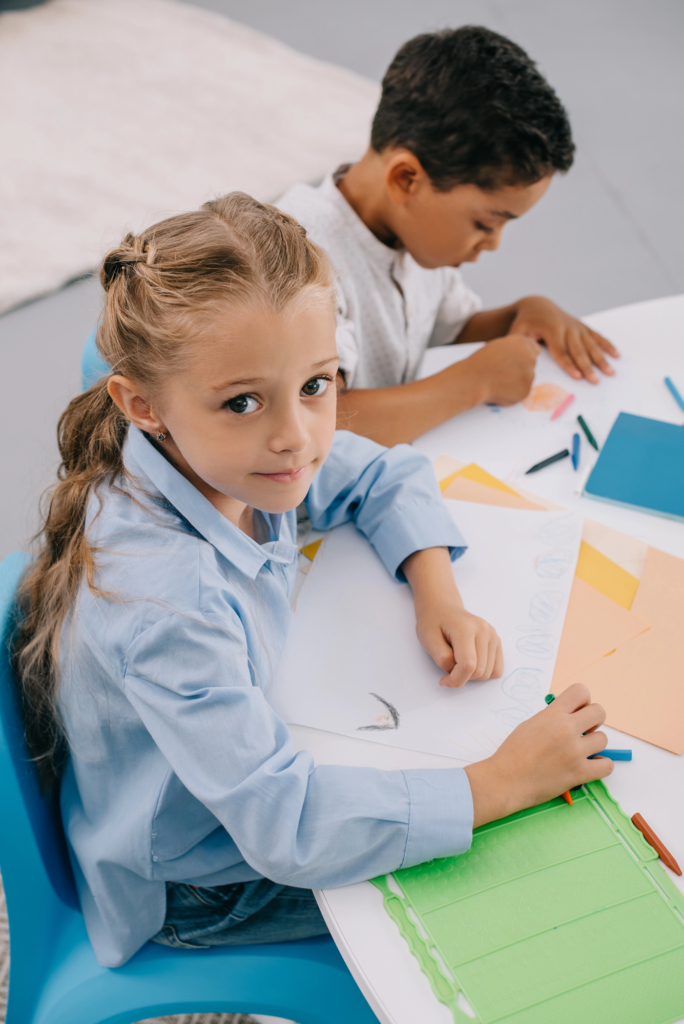
Of course, I pay attention. That’s my job as a parent. If her drawings were accompanied by anxiety, withdrawal, or lasting sadness, I’d think differently. But as long as I see a balanced, happy, curious child who enjoys creating and proudly shows off her three-headed vampire bunny, I have no fear.
I simply accept that fate gave me this wonderful little being. A child a bit different. One who might not draw princesses but will definitely tell great stories. And I’m excited to see who she becomes as an adult if I don’t try to suppress her uniqueness.