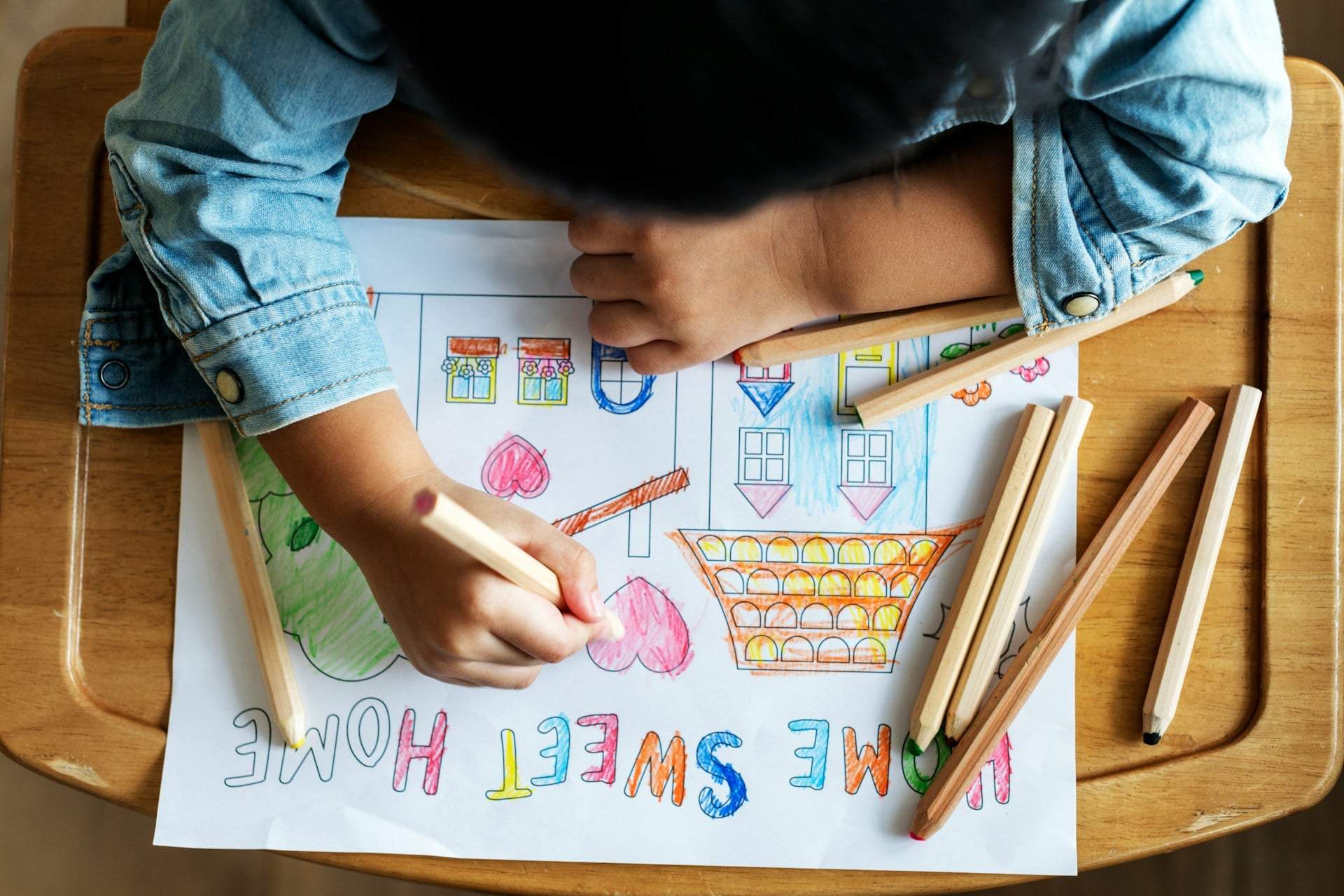
Sometimes at home, I feel like a failed entertainer because my guest (my own child) takes it as an insult if I don’t come up with some groundbreaking fun activity—preferably something we’ve never tried before.
We sit cluelessly in the living room, with the toy-filled playroom right next door, yet the familiar gloomy phrase echoes again:
“Mom, I’m dying here, I’m so bored!”
I’ve tried everything. I pointed to the shelves packed with toys, the coveted LEGOs we spent a big chunk of our paycheck on before Christmas. Then to the coloring books, card games, and board games we used to love playing a few years ago—nothing. Meanwhile, I know that if I gave in and let them grab the tablet or TV, I wouldn’t hear a single complaint for hours.
The Trap of Instant Gratification
We could point fingers all day, but the truth is our generation was the first to hand kids a digital pacifier. Sure, we just wanted a peaceful coffee or to take an important call without background noise.
But the result is the same: the Alpha generation, born after 2010, grew up in a world where every desire is just one click away.
This instant gratification has fundamentally rewired how their brains work.

From experience, I can say patience isn’t a virtue for them—it’s almost an unknown concept, even though I did everything to spend plenty of time outdoors with my daughter. And I did! Until school started, we had no major issues. But once she entered pre-teen years, everything changed. Peer pressure arrived, and natural detachment began, which inevitably includes rebellion. Unfortunately, this all happens in a world flooded with artificial dopamine hits, raising their stimulation threshold so high that real life—the flower-filled meadow dancing in the wind or a “slow” board game—feels painfully dull and dragging.
Why Have We Become Our Kids’ Managers?
I consciously try not to be a “helicopter parent,” though I see many from the X and Y generations fall into that trap. Overprotecting and scheduling every minute of a child’s time only adds fuel to the fire: if we never let them face silence alone, they’ll never learn to figure things out by themselves. Still, I admit it’s tough to find balance because my path growing up was very different from my daughter’s. I often felt lonely as a child, and while I now look back with love and gratitude for the resilience it gave me, it wasn’t easy. It took a long time for me to shed my anxieties as an adult when handling everyday tasks or “grown-up” responsibilities.
That’s why I wanted her life to be different—easier and more supported. But I realized that if I remove every obstacle, I’m also taking away the inner strength she needs to handle boredom and loneliness.
Over-entertaining kids doesn’t help; it just prolongs the state where they feel lost without external stimuli.

Childhood Disappearing Behind Screens
Many parents today struggle watching their kids scroll through their phones with glazed eyes, almost unreachable to the outside world. Experts warn about physical symptoms like dry eyes and headaches, but the emotional wear is even scarier: algorithms are training kids (and us) to lose deep focus. I fight daily to minimize screen time, but with adolescence, it feels like a losing battle.
And Sometimes Parents Run Out of Steam Too
I usually dedicate whole weekends to planning meaningful, exciting family activities, but lately my daughter often tells me “nothing interesting happened”. That stings, but I know it’s part of her teenage rebellion. Eventually, as parents, we have to step back and accept that our kids want to experience real moments and connections mostly with friends and peers. Still, I’m not completely pessimistic: I see that young people haven’t drifted apart—they just connect differently and on different platforms than we did.
So, What’s the Answer to Boredom?
First, realize that as parents, we’re not here to provide nonstop entertainment. In fact, we do the best by often letting our kids “suffer” through boredom.
Boredom isn’t a problem to fix—it’s the cradle of creativity.
We can’t and shouldn’t eliminate technology from our kids’ lives—it’s part of their world—but we must help them find balance. After all, even adults struggle with this.
We have generational flaws, but we shouldn’t beat ourselves up endlessly: we’re facing an army of algorithms designed by the world’s smartest engineers to capture attention. Our responsibility is to be brave enough to be the “bad guys”, to take away the phone sometimes, and let our kids truly be bored—because only then will they discover that the world is way more exciting than any screen can show.