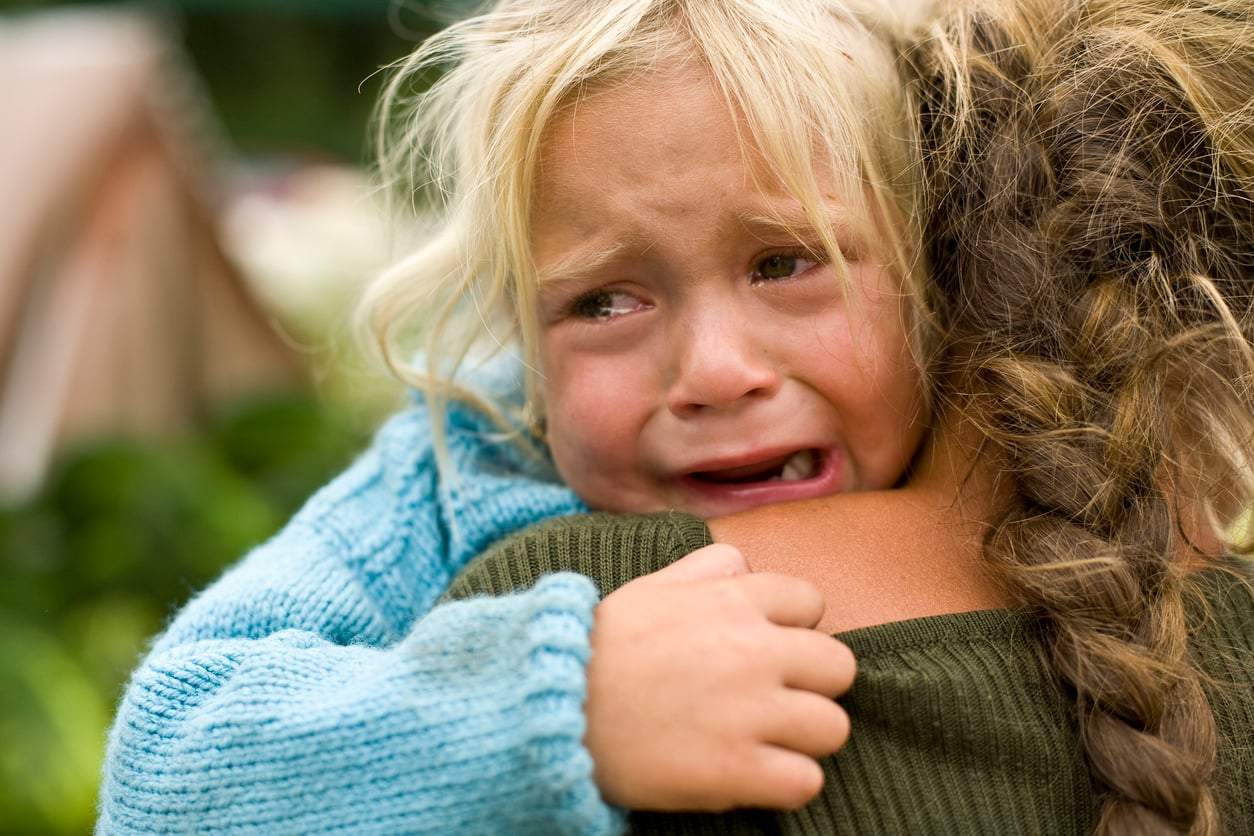
I don’t know about you, but I have at least a dozen memories of my mom and dad arguing in the living room. Sometimes over small things, sometimes more serious, but I clearly remember the voices, the tension in the air, and that tight feeling in my stomach I couldn’t even put into words back then. All I felt was that something was wrong, and I was too little to understand or handle it.
As a child, family is the center of the world. The walls, the furniture, the bedtime routine, the sound of parents’ voices create an invisible safety net we call security. When sharp voices, crying, slammed doors, or long, cold silences enter this space, it’s not just an “adult argument” to a child—it’s the world feeling off balance. They don’t see bills, work stress, or relationship struggles. They only feel that the people their life is built on aren’t okay with each other.
When a Child Feels the Storm but Doesn’t Understand Why
Kids are amazingly sensitive to the emotional atmosphere. They know something’s wrong even when parents try to act normal. Unspoken tension, short answers, missing touches—all send messages. Plus, children’s thinking is naturally self-centered at their age.
Because of this, they often conclude: maybe it’s my fault, maybe they’re fighting because of me, maybe if I behaved better, everything would be okay.
This inner explanation is quiet but can be a heavy burden.
That’s why protecting a child doesn’t mean never arguing, but recognizing that conflict affects them—even if they don’t join in. Adults have the responsibility to make sure the child isn’t left alone with emotional storms they don’t understand.

How to Give Them Emotional Safety
One of the most important ways to protect is to “frame” the conflict. This means making it clear to the child what’s happening, that it’s an adult matter, and not their job to fix it. When we tell them the fight isn’t because of them and that we still love them just the same, we restore the security shaken by tension. These simple words become long-term anchors inside.
Equally important is ensuring the child isn’t caught emotionally in the middle. When one parent complains about the other or subtly seeks an ally, the child slips into a role that’s too heavy for them. This creates loyalty conflicts—they love both but feel like betraying one by loving the other. Protecting the child means letting them freely bond with both parents without forcing a choice.
Tone and behavior matter too. A heated argument with raised voices isn’t necessarily harmful if there’s no humiliation, threats, or fear. But when conflict turns personal, with one side belittling the other, it’s scarier for the child than the topic itself. Then their body reacts too—they get tense, have trouble sleeping, and may have more physical complaints.
International organizations like UNICEF regularly highlight the effects of ongoing family stress because a child’s nervous system is still developing and depends heavily on emotional safety.

The Power of Reconciliation and Repair
Protecting a child often isn’t about the argument itself but what happens afterward. If tension lingers for days and parents pass by each other in silence, the child feels the relationship is in danger with no solution. But if they see the adults turn toward each other, talk, even apologize, that sends a stronger message than the fight. They learn relationships can survive tough times and conflict doesn’t mean love is lost.
Sometimes the greatest protection lies in repair. Arguments can get loud and sharp words said. Many parents stay silent afterward out of shame, pretending nothing happened. But the child knows something did. When a parent later revisits the situation, explains at the child’s level that it was too much, expresses regret, and tries to handle it better next time, it creates a huge sense of safety. It shows mistakes can be fixed and the relationship matters more than ego.

Protection also means watching for your child’s signals.
Changes in behavior, sleep problems, increased anxiety, or unexplained anger can all signal that the tension is too heavy for your child.
In these moments, discipline isn’t the first step—it’s connection and understanding. If the situation stays tough, seeking outside help is a smart move.
Kids don’t actually need perfect, never-arguing parents. They need adults who know conflict is part of life but keep their child’s emotional safety above all. Adults who set clear boundaries between relationship tensions and parental responsibilities. Who say “I love you” and show it with actions, proving life doesn’t fall apart just because things get louder sometimes.