Op-ed by Borka Schuster
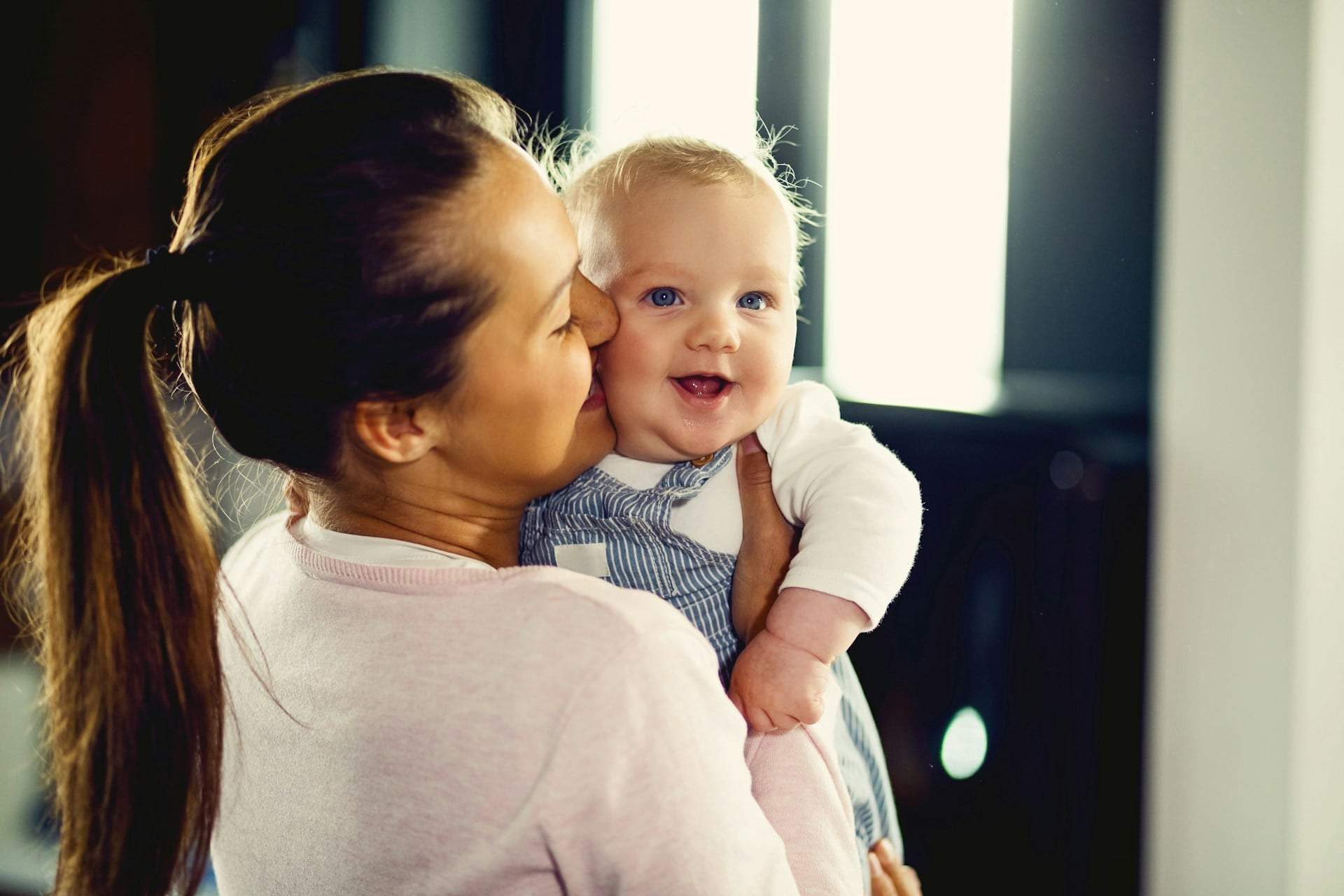
When my ex-husband and I split up, I worried about almost everything. I worried about us. I worried about the future. And more than anything, I worried about our little girl.
Divorce is never easy. But when there's a child in the story, you suddenly realize your own feelings aren't the only ones that matter. A relationship can end, but shared parenthood doesn't.
A few years later, life reshaped itself in a way I never expected: today we live as a blended family. My ex and I raise our daughter in shared custody, and my fiancé has since become part of my life. From the outside it might look complicated, and yes, there are hard days. But overall, it works.
Not because everyone always agrees. Not because there are never any conflicts. It works because there are a few core principles none of us will bend on. Not one of us.
We never speak badly about each other
If I had to pick a single rule that matters most, it would probably be this one. We don't badmouth each other in front of our child. Ever. No exceptions.
Not because everyone behaves perfectly all the time. We're human too. There are misunderstandings, disagreements, logistical chaos, and moments when we'd love nothing more than to grumble out loud.
But we never do it in front of our daughter. The tough stuff, we work out between us, adult to adult. If something needs clearing up, we clear it up. If something needs to change, we change it. But we don't dump our conflicts on a child who has nothing to do with them.
Maybe this matters so much to me because of something I realized very early after the divorce: to a child, her parents aren't just two people. She builds her own identity out of both of us.
If one parent constantly criticizes the other, the child can start to feel like she has to choose a side. Like she has to pick a team. That's exactly what we want to avoid, at any cost.
We think of ourselves as one team. A team with an unusual lineup, sure, but a team all the same. And our shared goal is simple: to give our daughter a happy, secure childhood.
Everyone knows their role
One of the hardest questions in any blended family, I think, is figuring out who's who in this new setup. For us, even that comes down to a simple rule.
My daughter has a dad. And her dad is my ex-husband. My fiancé has never tried to take over that role, and he doesn't want to. He isn't trying to be a "new dad." He isn't trying to replace anyone. He isn't forcing closeness or trust.
He's simply present. Kind to her, attentive, supportive, but he lets their relationship grow at its own pace. To me, that's absolutely key.
Children are incredibly sensitive to anything that feels forced on them. Love, attachment, and trust can't be demanded. My daughter decides how close she wants to let him get. And we always respect that decision.
That's exactly why there's no pressure, no expectation, no situation where anyone has to play a part. Everyone gets to just be themselves.
When she needs us, we're all there
Our third rule might be the most visible one. If something matters to our daughter, we show up. All of us.
Christmases. Birthdays. School events. Year-end ceremonies. Recitals. Any moment that matters to her.
I so often hear that children of divorced parents end up treating these occasions like diplomatic missions. Who do they tell? Who do they invite? Who's going to get offended? Who's going to say no?
Honestly, I always find that heartbreaking. A child should never have to manage the emotions of the adults around her.
Our daughter never has to think about who to choose. If she wants us there, we're there. All of us.
It's not always the easiest option. Sometimes it takes coordination, sometimes flexibility, sometimes setting our own comfort aside. But it's worth it every single time, when I see how naturally she takes it all in. Because to her, this isn't extraordinary. This is home. This is normal. This is her family.
I don't think a perfect blended family exists. Ours doesn't run flawlessly either, and I'm sure there will be hard moments ahead.
But here's what I've learned: the success of a blended family isn't measured by how many people are in it, or how unusual the arrangement looks. It comes down to whether the adults can set their egos aside for the sake of a child.
That's what we're aiming for, at least. And I truly believe it will pay off.
What is a blended family?
A blended family forms when parents build new relationships after a separation, bringing together children, ex-partners, and new partners into one extended family unit.
How do you handle a new partner's role with your child?
In our case, my fiancé never tries to replace my daughter's dad. He stays present and supportive, and lets their bond develop at her pace, without any pressure.
Should you criticize your ex in front of the kids?
No. Speaking badly about the other parent can make a child feel she has to pick a side. Adults should work out their conflicts privately, away from the child.
What really makes a blended family work?
It's not the number of people or how unusual the setup looks. What matters most is whether the adults can set aside their egos for the child's well-being.