
In today’s fast-paced world, anxiety is a common companion for many women, often linked to stress, work pressure, or personal challenges. But there’s a lesser-known factor that can cause similar symptoms: fluctuating blood sugar levels. This natural body process has recently gained attention among health and nutrition experts because it’s frequently mistaken for anxiety.
Before diving into blood sugar swings, it’s key to understand how this affects our daily mood and well-being. Glucose, or blood sugar, is a primary energy source essential for brain function. When blood sugar suddenly drops or spikes, it impacts the nervous system, often triggering feelings of anxiety, tension, or irritability. Research shows that unstable blood sugar can play a big role in mood swings.
What Causes Blood Sugar Swings?
Many don’t realize that everyday habits like irregular meals, low-carb diets, or too much sugar can easily disrupt blood sugar balance.
These habits can cause blood glucose levels to swing wildly in a short time, affecting mental well-being. For example, a sudden sugar rush raises blood sugar quickly, followed by a sharp drop that often brings mental and physical fatigue along with irritability.
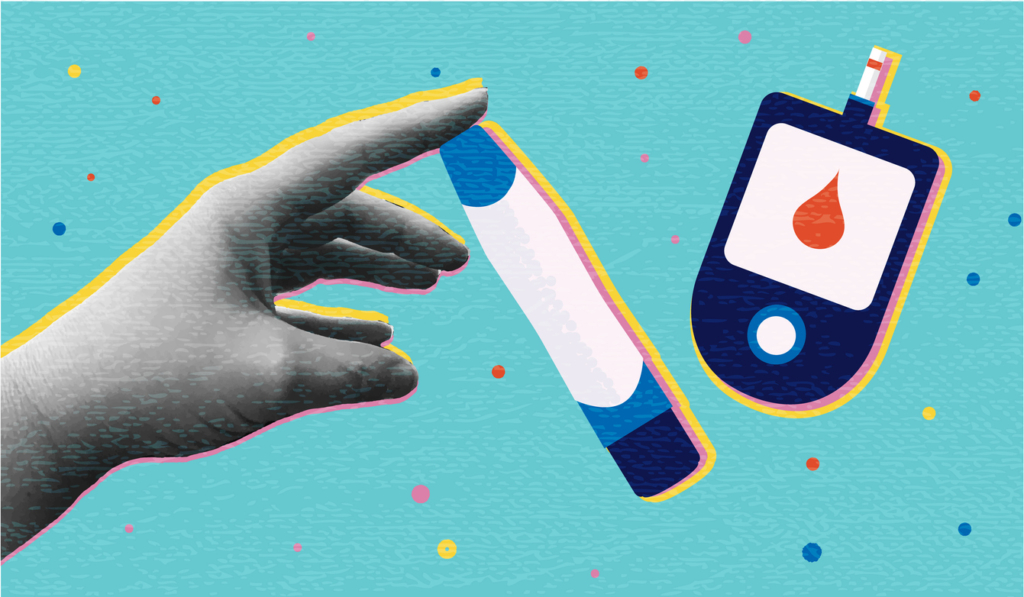
The Link Between Blood Sugar Swings and Anxiety
Many women experience the so-called “carb coma” after a heavy meal, feeling sudden drowsiness, fatigue, and confusion. This reaction often feels like anxiety because the physical symptoms overlap with mental stress. A rapid drop in blood sugar can affect the body and mind just like true anxiety, as the brain isn’t getting the energy it needs.
Signs That Could Point to Blood Sugar Swings
Here are some clues that might actually stem from blood sugar swings but are often mistaken for anxiety:
- Frequent headaches or migraines, especially around meal times.
- Rapid heartbeat or sudden sweating.
- Drowsiness or fatigue after eating.
- Irritability or sudden mood shifts.
- Weakness or trembling that eases after eating.
How to Stabilize Your Blood Sugar
Keeping blood sugar steady is easier than you think with a few simple steps. Focus on regular, balanced meals rich in slow-digesting carbs and protein. Avoid sugary drinks and stay well-hydrated.
Some find smaller, more frequent meals with low glycemic index foods helpful.
This approach supports gradual blood sugar rises and long-term balance, preventing sudden crashes. Also, try to minimize stress and reduce caffeine intake, as both can affect blood sugar swings.
It’s important to tell the difference between true anxiety and symptoms caused by blood sugar swings—one is a manageable physical condition. With awareness and the right diet tweaks, many women report better mental and physical well-being. So next time you notice anxiety-like signs, consider both psychological and physiological factors for a fuller picture of your health.