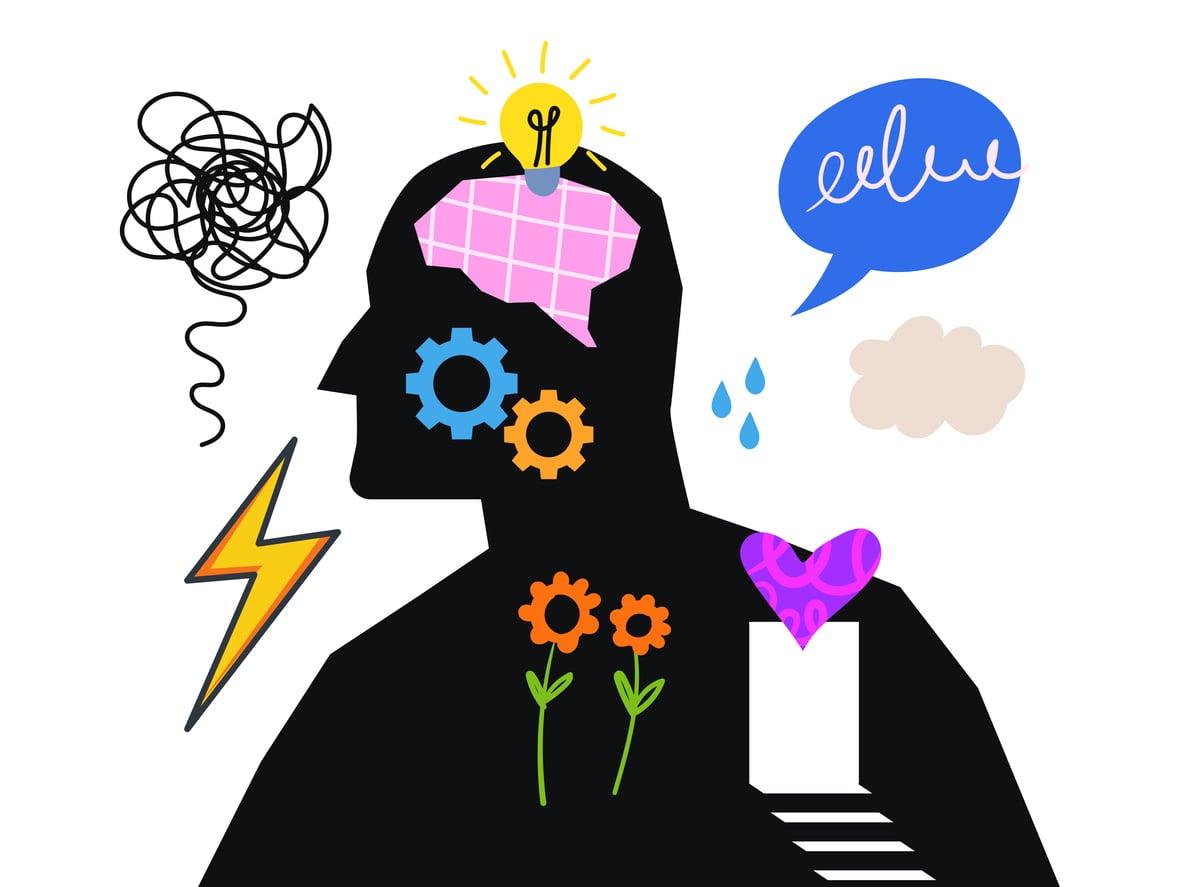
There’s a unique kind of exhaustion that doesn’t come from doing too much, but from trying for decades to "just get by" in a world that wasn’t built for us. Many adults with ADHD or autism live this reality—often without knowing why things feel harder than they should.
When Everything Finally Makes Sense
For many, an adult diagnosis isn’t just a label—it’s an explanation. It provides a framework that finally makes sense of those previously baffling experiences.
Those who weren’t diagnosed as children often spend years compensating for their struggles. Psychology calls this "masking": consciously or subconsciously adapting to fit others’ expectations. From the outside, everything may seem fine, but inside, it takes constant effort to fit into a world that doesn’t quite fit you. Over time, this can lead to burnout, anxiety, and self-esteem challenges.
These aren’t "separate problems", but often the result of constantly trying to adapt to a way of functioning that doesn’t come naturally.
One of the most powerful effects of an adult diagnosis is the meaning it brings. Suddenly, the past is rewritten: self-blame like "I was lazy", "I’m scatterbrained", or "I’m too sensitive" is replaced by understanding a neurological difference. For many, this is a liberating experience. Not because all challenges disappear, but because things finally make sense.
Letting Go Is Both Painful and Liberating
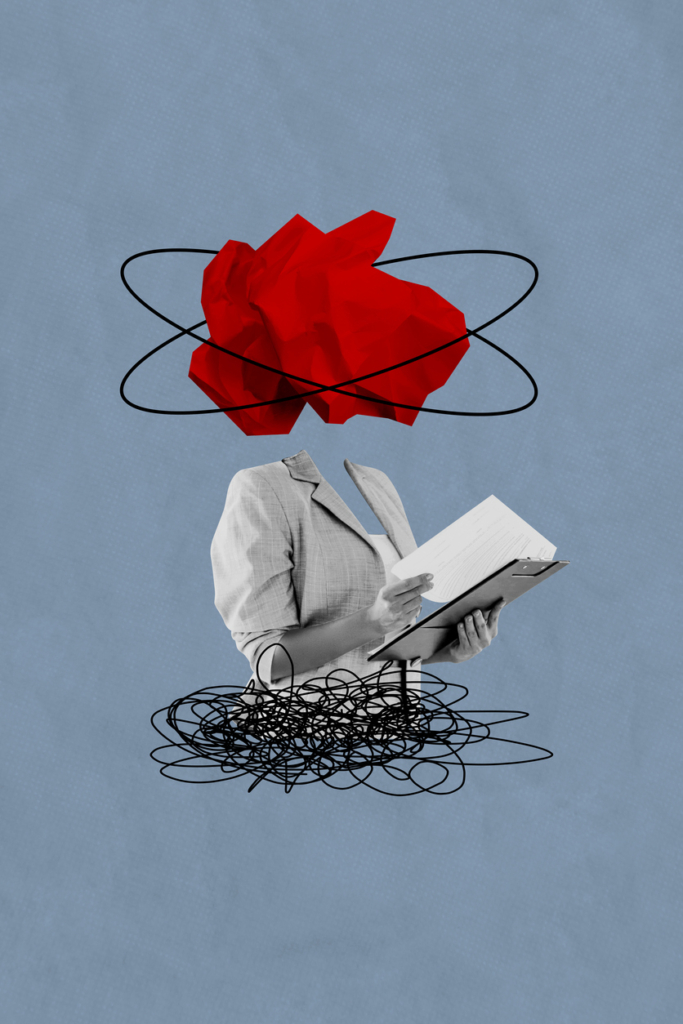
But this realization doesn’t just bring relief. It often comes with grief: mourning the misunderstandings, self-blame, or misguided treatments that could have been avoided with an earlier diagnosis. Processing these feelings isn’t automatic—it’s a journey that often needs professional support.
On a practical level, a diagnosis can also bring change. Before knowing they have ADHD or autism, many try strategies designed for neurotypical brains: more discipline, better time management, sharper "focus". But these often don’t work for neurodivergent people and can even deepen feelings of failure.
After diagnosis, personalized support becomes possible. This might mean therapy, medication (especially for ADHD), or lifestyle changes that better suit the unique way their brain works.
Simple adjustments like shaping your environment, reducing cognitive load, or embracing self-acceptance strategies can all boost quality of life.
A New Sense of Self Emerges
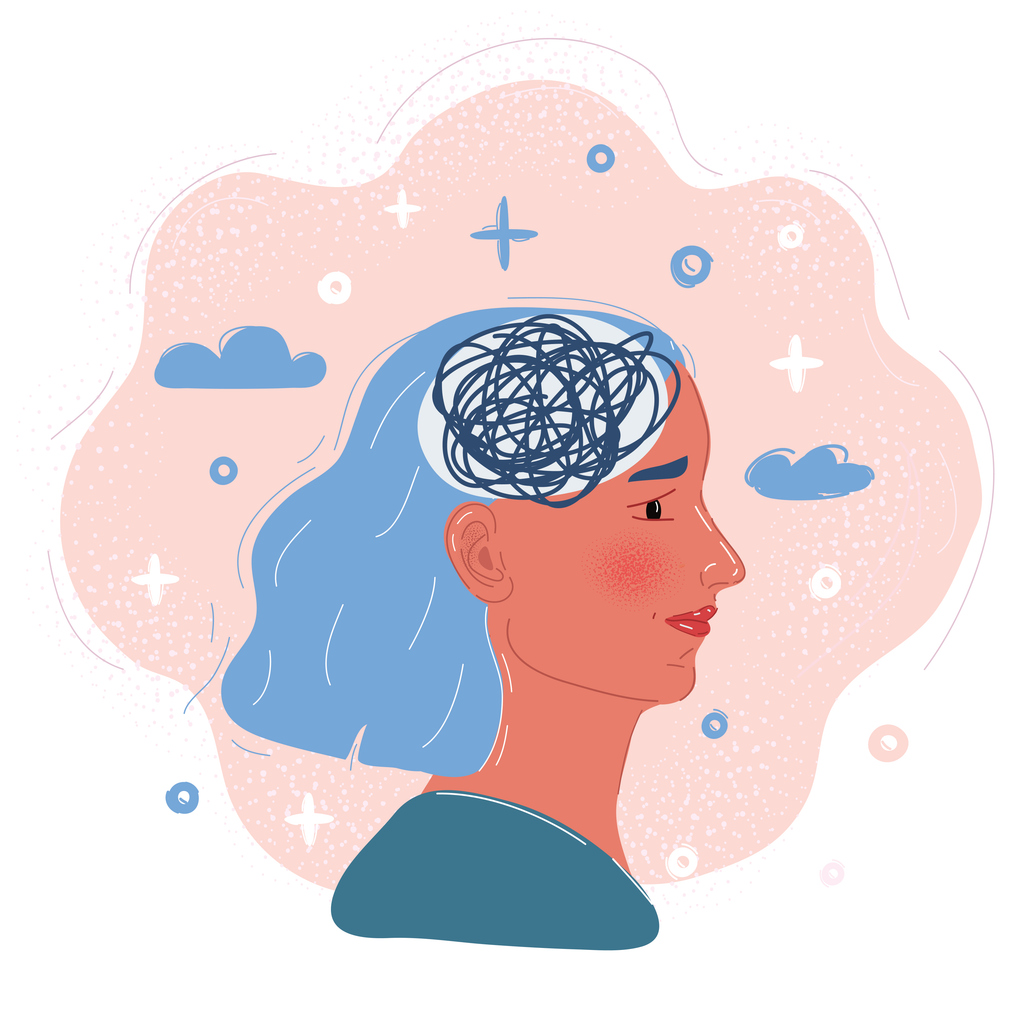
Another major shift happens at the identity level. For many adults, a diagnosis is not just an explanation but a redefinition: who am I really, if not the labels I’ve carried all this time? This rebuilding takes time and often brings uncertainty. Yet it also opens the door to a more realistic, compassionate view of oneself.
It’s important to remember that a diagnosis alone doesn’t solve everything. The real change comes from the support and understanding that follow.
An adult ADHD or autism diagnosis is both an ending and a beginning. It closes a long chapter often filled with misunderstandings—and starts a new one of conscious, authentic living. It’s not an easy path, but for many, it’s the first true step toward not just surviving each day, but finally understanding themselves.