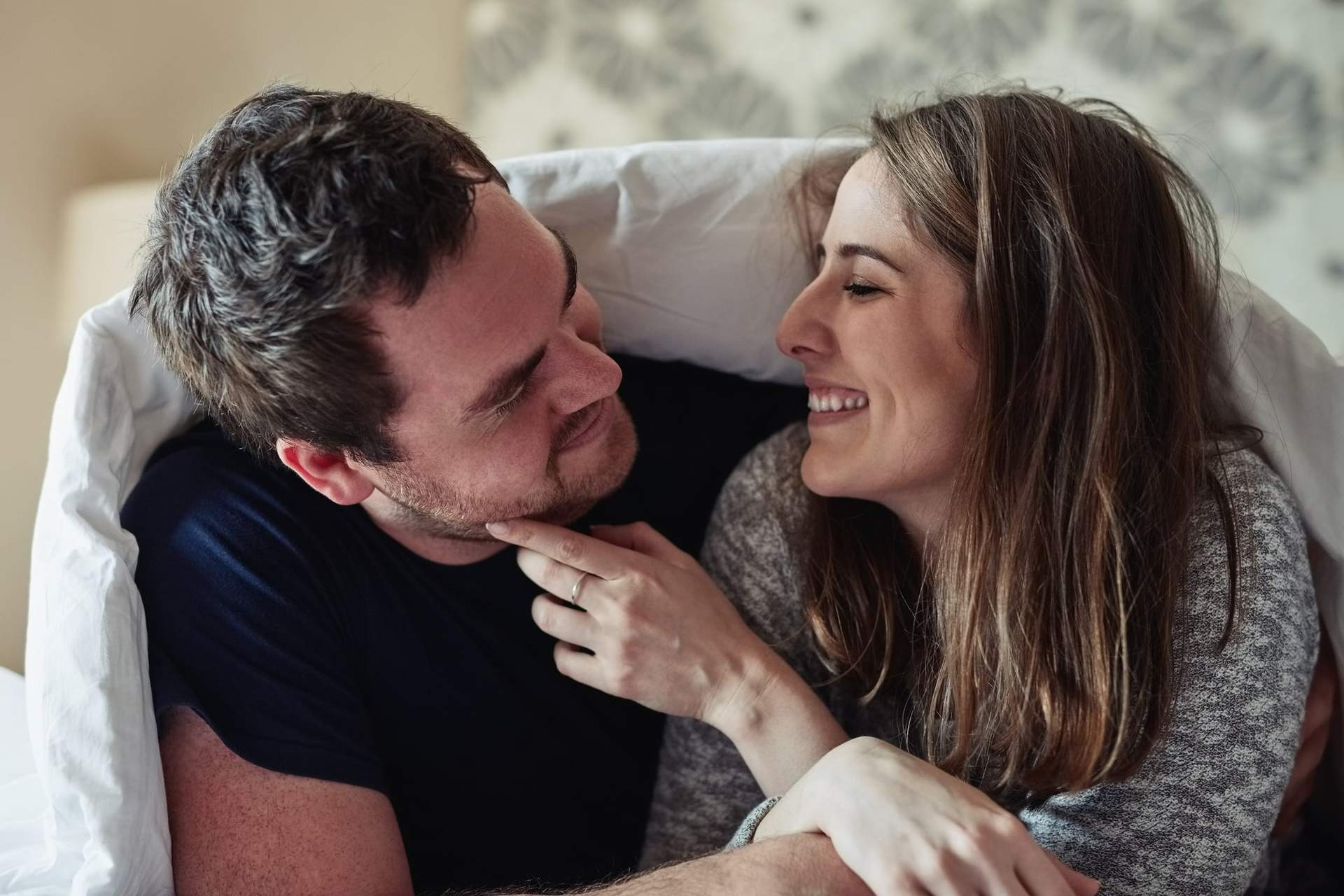
Many of us build walls around ourselves as a defense, which can stand in the way of truly experiencing closeness in relationships. This quiz will help you map out how open you are to sharing your feelings and where you stand on the path to emotional openness!
Each A answer = 1 point, B = 2 points, C = 3 points, D = 4 points
- When my partner asks how I am, I tend to reply with a quick "I'm fine," even if I'm feeling upset inside.
- A: Very true
- B: Mostly true
- C: Less true
- D: Not true at all
2. My past relationships were more about short-term or casual connections than long-term commitment.
- A: Very true
- B: Mostly true
- C: Less true
- D: Not true at all
3. When conflicts arise, instead of talking things through, I tend to withdraw into my own world to be alone.
- A: Very true
- B: Mostly true
- C: Less true
- D: Not true at all
4. I prefer to dive into work or hobbies rather than discuss the current state of our relationship.
- A: Very true
- B: Mostly true
- C: Less true
- D: Not true at all
5. I’m proud of my complete independence and feel uncomfortable relying on anyone emotionally.
- A: Very true
- B: Mostly true
- C: Less true
- D: Not true at all
6. When a friend brings up a deep emotional topic, I often try to lighten the mood with jokes or irony.
- A: Very true
- B: Mostly true
- C: Less true
- D: Not true at all
7. I often feel overwhelmed by my partner’s needs or desire for closeness, even when it’s about everyday things.
- A: Very true
- B: Mostly true
- C: Less true
- D: Not true at all
8. When my partner says I’m distant, I usually think they’re overreacting or being too sensitive.
- A: Very true
- B: Mostly true
- C: Less true
- D: Not true at all
9. I believe actions (gifts, favors) speak louder than words, so I rarely talk about my feelings.
- A: Very true
- B: Mostly true
- C: Less true
- D: Not true at all
10. Sometimes I feel that people expect more emotional reactions from me than I can honestly give.
- A: Very true
- B: Mostly true
- C: Less true
- D: Not true at all
11. When a loved one complains or cries, I try to quickly reassure them that "everything’s fine" just to close the topic.
- A: Very true
- B: Mostly true
- C: Less true
- D: Not true at all
12. I feel uncomfortable showing physical affection or tenderness toward my partner in front of others.
- A: Very true
- B: Mostly true
- C: Less true
- D: Not true at all
13. I often fear losing my freedom when a relationship gets too serious.
- A: Very true
- B: Mostly true
- C: Less true
- D: Not true at all
14. When asked about my family background or childhood, I keep it brief by saying "everything was fine."
- A: Very true
- B: Mostly true
- C: Less true
- D: Not true at all
15. When someone asks for support during a tough time, I often suggest practical solutions rather than being emotionally present.
- A: Very true
- B: Mostly true
- C: Less true
- D: Not true at all
16. I tend to keep my insecurities to myself because I believe showing vulnerability is a sign of weakness and could be exploited.
- A: Very true
- B: Mostly true
- C: Less true
- D: Not true at all
Scoring
You’re Emotionally Closed Off (16-28 points)

For you, vulnerability feels more like a threat than a way to connect. You’re likely a pro at self-protection: you use your independence as a shield and instinctively step back or change the subject when someone gets too close. Past hurts may have taught you it’s safer to handle your emotions alone, but this approach can lead to isolation over time. Remember: the walls you built to protect yourself from pain can also keep love out.
You’re Partially or Sometimes Available (29–44 points)

You seem to understand the importance of emotions, but trust doesn’t always come easily. Some days you connect deeply, while others you suddenly need space to regain control. You often wrestle with wanting closeness and fearing loss of freedom. This can make you seem unpredictable to those around you, who aren’t always sure when you’re truly present. True closeness doesn’t mean losing your freedom—it means finding a safe space where you don’t have to carry your burdens alone!
You’re Emotionally Available (45–64 points)

You don’t just understand emotional closeness—you live it. You’re not afraid to drop your guard and show your vulnerabilities to your partner. For you, conflict is an opportunity to grow, not a threat, and you can offer emotional support without fear of tears. This kind of presence is the foundation of strong, long-lasting relationships. Make sure you surround yourself with people who appreciate this openness and can meet you at the same level!