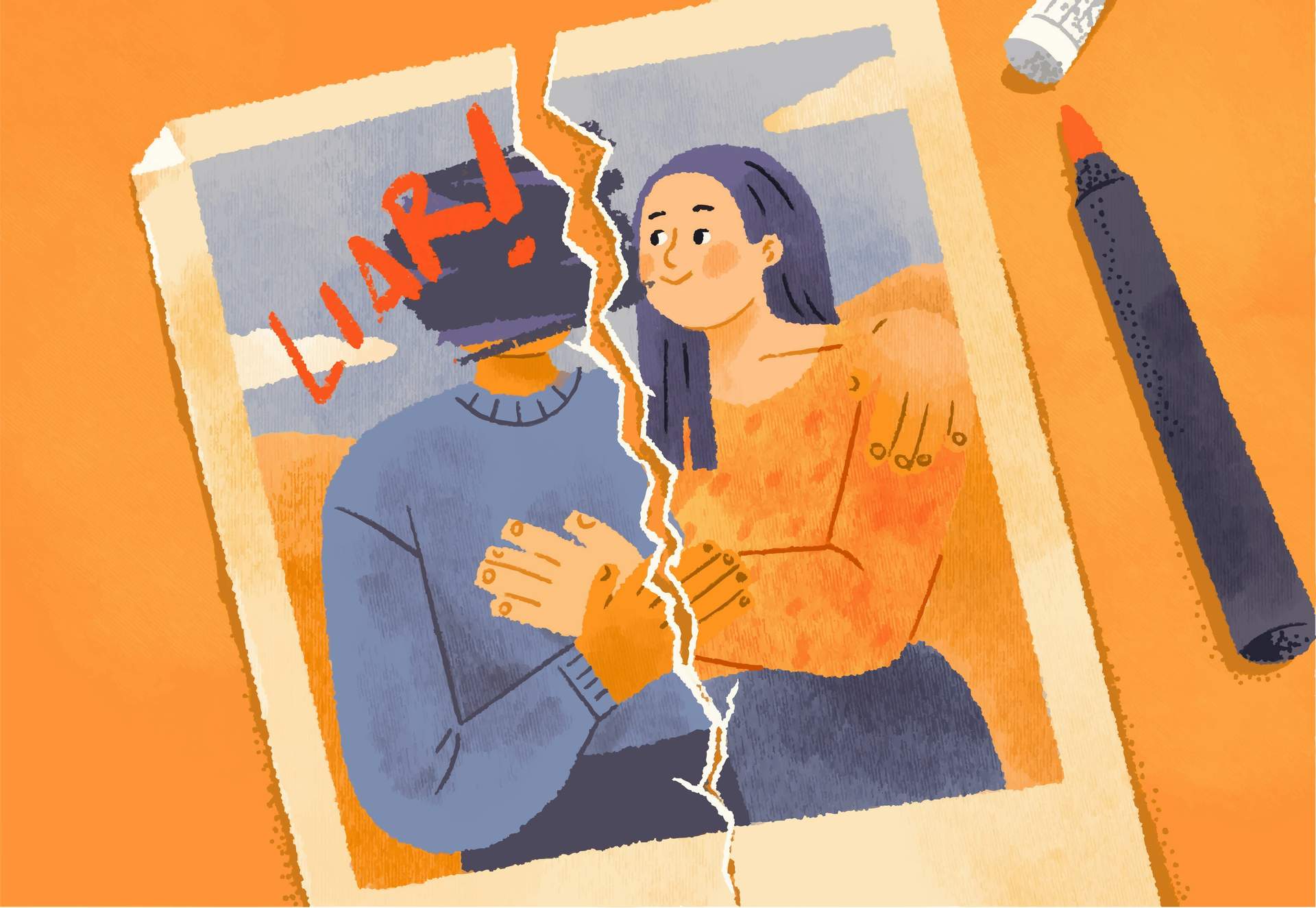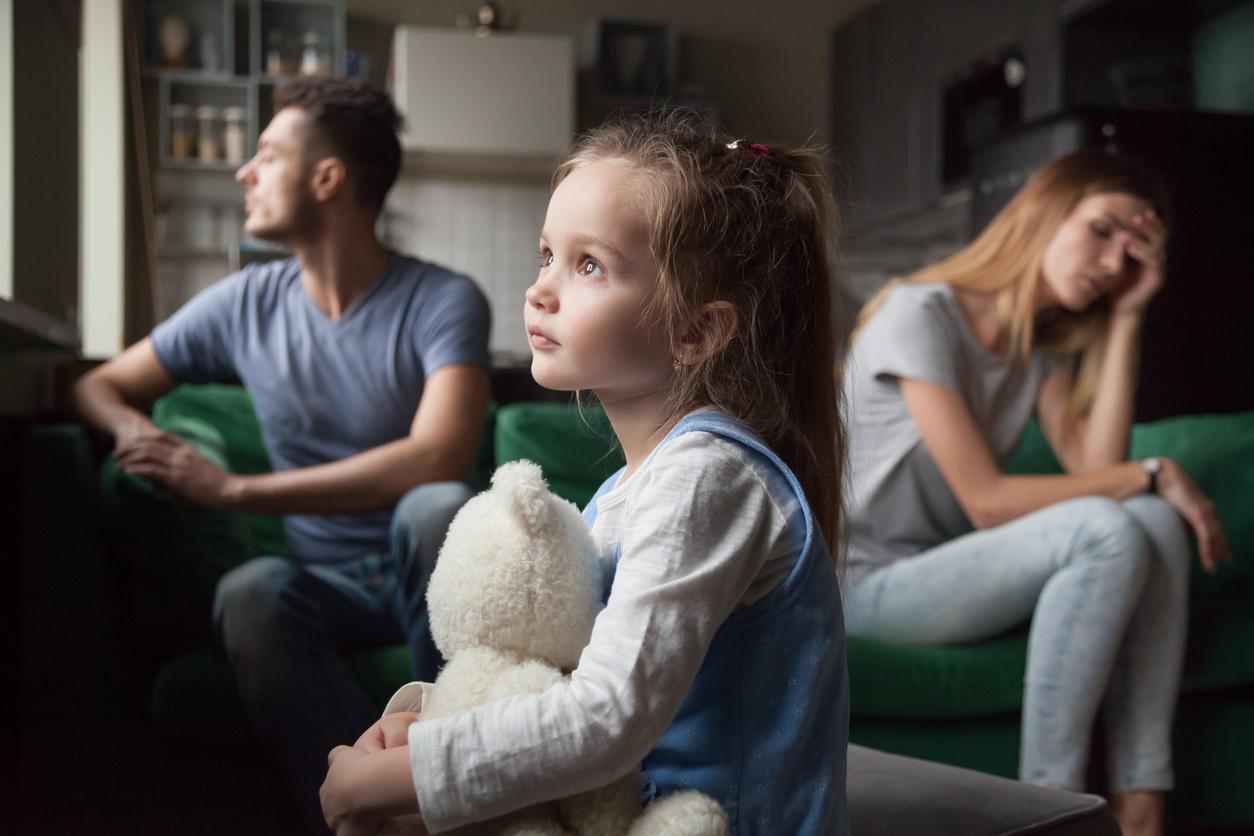
Family is our primary social environment, meaning most people first learn what the world is like, how relationships work, and what feelings trigger which reactions. When this environment is safe, consistent, and loving, it builds a strong foundation for self-esteem, trust, and emotional stability. But when the family is traumatic—marked by abuse, neglect, chaos, or ongoing stress—these foundations get distorted, deeply influencing how you see yourself, others, and the world well into adulthood.
How Trauma Affects Our Inner World
People raised in traumatic family environments often learn to suppress or deny their own feelings because expressing them feels too risky. These kids often appear to outsiders as high achievers who are "doing fine"—but in reality, they’ve just mastered the art of masking their struggles.
This pattern becomes part of their personality: they minimize inner conflicts, believing that the “normal behavior” they force on themselves is the safer path.
Many symptoms stay hidden inside: as adults, these individuals try to control emotions, struggle with anxiety, and often face low self-esteem. This isn’t just a series of “bad memories” but learned behaviors that shape adult responses—like how we connect with others or handle conflict.

Attachment Patterns and Relationship Dynamics
One of the deepest impacts for someone from a traumatic family background is a distorted attachment style. Because love, attention, or safety were unpredictable as a child, adult relationships can be challenging. These adults often notice one of the following attachment patterns in themselves:
- Anxious attachment: constant fear of losing the relationship, clinginess, jealousy.
- Avoidant attachment: difficulty with emotional closeness, overemphasis on independence.
- Disorganized attachment: a mix of craving closeness and fearing it, leading to confused, unpredictable behavior.
These patterns aren’t fixed personality traits but survival strategies learned in trauma—once helpful but now limiting healthy connection.
Inner World and Self-Image
A traumatic family background often deeply impacts self-worth. Where home stress or abuse was daily, many kids blame themselves for not stopping the harm or for not receiving love and support. This shame and self-blame can embed into personality—making self-acceptance and emotional freedom harder.
Survival responses like suppressed anger or anxiety can become automatic. The brain learns these reactions: if a child experienced long-term threat or uncertainty, as an adult they may naturally stay hyper-alert and react quickly to danger—even when no real threat exists. This links to chronic anxiety, difficulty regulating emotions, and trust issues in relationships.

Physical and Emotional Functioning
Research shows childhood trauma can affect how a person functions emotionally and physically. Chronic stress impacts the brain’s stress regulation and emotional control, which over time can lead to emotional instability, impulsive behavior, or a strong need for control.
The Path to Healing
It’s important to emphasize that a childhood in a traumatic family doesn’t mean a lifetime of suffering.
Healing often begins with awareness, acknowledging experiences, and rebuilding connections—whether with professional support, a caring community, or safe relationships.