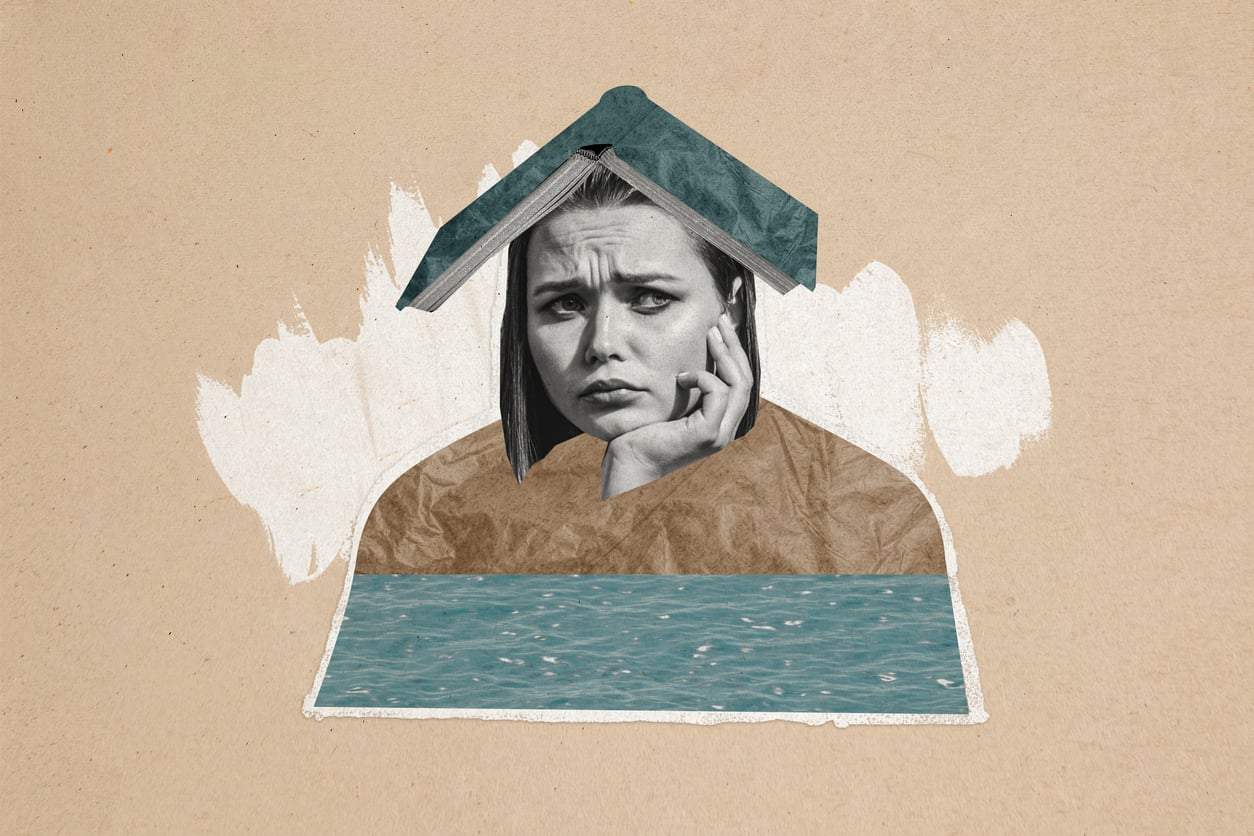
For a long time, I thought anger was a bad thing. Something to suppress, to be ashamed of, something you shouldn’t show. Then I realized that anger is actually one of the most genuine emotions we can experience. It’s just about what we do with it.
I carried my anger for many years, often without really understanding what it was or where it came from. All I knew was it was there—deep, stubborn, and present for decades.
I have many childhood wounds I brought with me from my past. Scary moments when no one noticed me, when I felt invisible, when I had to face things alone that I didn’t even fully understand as a child. These wounds didn’t disappear just because I grew up. They just took new forms: sometimes sarcasm, sometimes oversensitivity, sometimes showing up as being disproportionately upset by a simple comment.
Years of therapy and self-discovery helped me understand that my anger was actually a signal. It said, “Something hurt, and no one acknowledged it.” And that realization changed everything. Because I saw that anger wasn’t my enemy—it was a part of my old self finally wanting to be heard.
We often hear that forgiveness is the key to healing. That it’s the last step that finally brings relief and puts the past in its place. I don’t believe that.
Forgiveness Is a Beautiful Gesture, But Not Always Necessary
For example, I still feel that if I forgave those who let me down in childhood, I would be erasing my own pain. It would be like telling my younger self, “See, what happened didn’t matter to me either.” But it did matter. Even if no one else cared back then, I do now.
If I forgot or let go without naming what happened, I would erase the most important message: that I mattered. That the little girl who was hurt, scared, and angry had every right to feel those emotions. That’s why forgiveness wasn’t the key to my healing—it was learning to live with my anger without letting it consume me.

I once read: “Holding onto anger is like drinking poison and expecting the other person to get sick.”
And it’s true. The anger I held inside for years slowly started to destroy me. It didn’t hurt those who hurt me, but me—reliving old pain again and again. That’s when I understood that anger and forgiveness are separate. Letting go of anger doesn’t mean excusing anyone—it means not letting it control me anymore.
We can’t just switch off our feelings or command them to disappear. But we can learn to notice them and handle them in their place. Now, when I feel something stirring inside, I pause. I recognize my anger and let it exist, but I don’t hand over the wheel or give it control.
Instead, I ask it: “Where are you coming from? What do you want to tell me now?” Most of the time, it’s not about the present moment. It’s about something that happened long ago, something no one listened to back then.
Then I imagine the little girl living inside me. Angry because she’s scared, powerless, and unprotected. Now my adult self goes to her. I don’t ask her to calm down. I just stay with her and promise I’ll take care of her now. She doesn’t have to fix the situation, panic, or unleash destructive anger out of fear because here I am—the adult who will handle it. Who knows what to do to keep us safe.
My anger then softens. It doesn’t disappear, but it stops raging. The fierce, bloodthirsty tiger slowly starts to breathe, lies down, and blinks sleepily.
Anger isn’t a sign of weakness. It’s proof we had enough strength to feel. And when we learn to tame that strength, anger stops being our enemy and becomes our protector—reminding us that we matter. We always mattered.