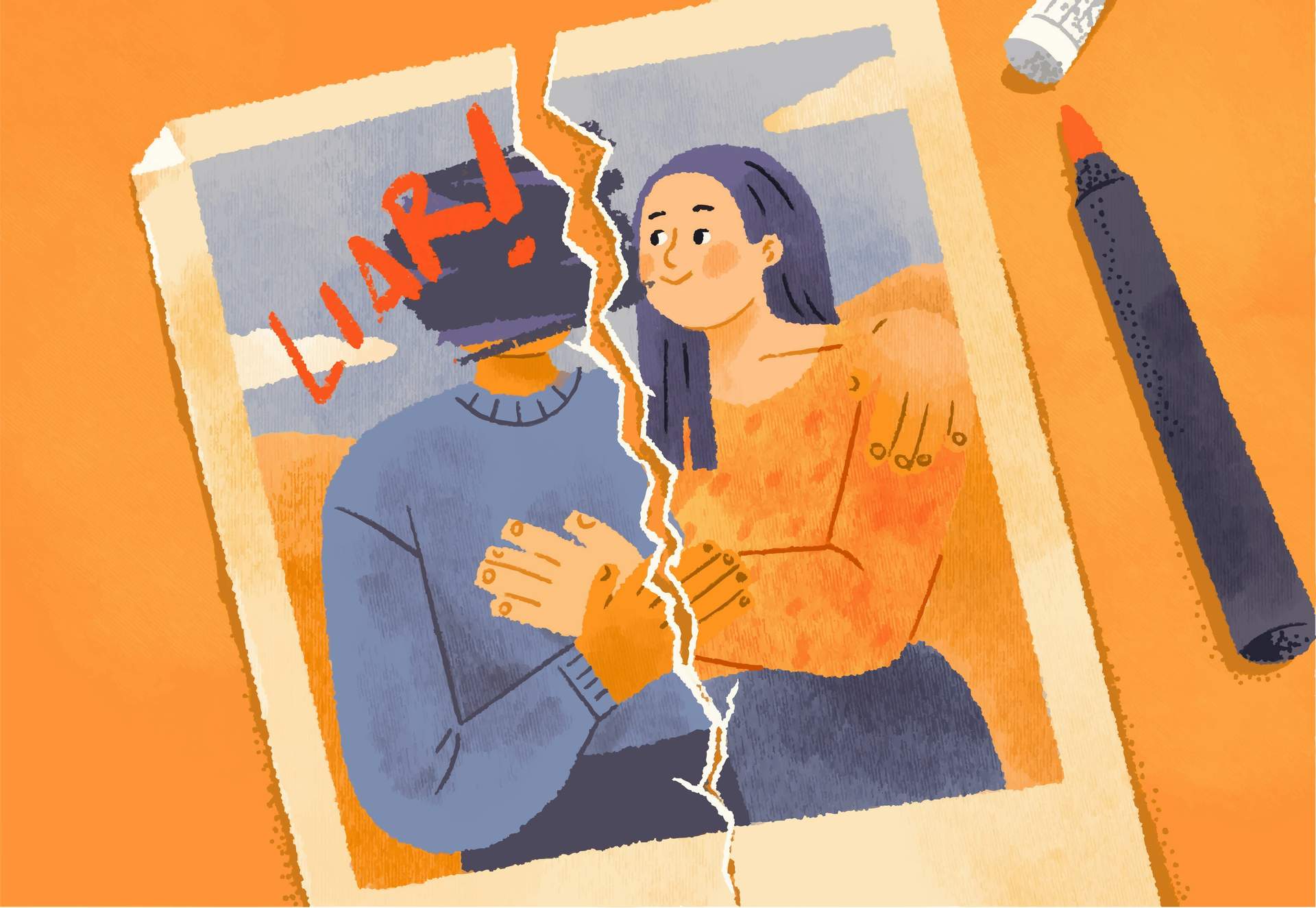
I learned early on that anger is a bad advisor. Decisions made in rage rarely end well. You say things you regret, damage relationships that didn't deserve it, or end up turning all that energy against yourself. Most of us figure this out the hard way, sooner or later.
So I learned to keep my anger in check. But somewhere along the way, I overcorrected. I became so committed to being calm, measured, and "emotionally mature" that I started talking myself out of anger even when it was completely justified. As if feeling angry were something to be ashamed of. As if the pinnacle of personal growth were to be untouched by everything. And I don't think I'm alone in this — a lot of women fall into this exact trap.
When a woman is angry, she's "hysterical"
Part of it comes from what we're taught from the very beginning. An angry man is assertive. An angry woman is hysterical, difficult, oversensitive, aggressive, or "toxic."
From a young age, we're told to be kind, adaptable, smiley, easy to deal with. Don't make a scene. Let it go. Be the bigger person.
And then social media piles on with its watered-down mindfulness culture. The endless stream of "zen," "high vibration," and "go with the flow" content that treats negative emotions like a personal failure. As if the answer to every hard situation is to breathe deeply, release it, choose peace, and stop vibrating at a low frequency.
To be clear: there's nothing wrong with meditation, intentional living, or choosing not to act from a place of impulse. The problem starts when these genuinely nuanced ideas get flattened into social-media-ready emotional self-censorship. When the goal is no longer to have a healthy relationship with your feelings — but to get rid of any uncomfortable emotion as fast as possible.
The result? We end up in situations where our anger is completely valid, and yet we immediately try to smother it. Worse, we feel guilty for having it in the first place. Because we couldn't instantly get over the fact that a less capable colleague got the promotion. Because we've asked four times and our partner still hasn't emptied the dishwasher. Because someone confidently lectured us on a topic we clearly know far better than they do.
In moments like these, many women don't just feel angry — they immediately feel guilty for being angry. "I shouldn't let this get to me." "I'm probably overreacting." "Why can't I just let it go?" Sometimes letting go is the right move. But there's a world of difference between releasing something you've genuinely processed and reflexively swallowing your own feelings.
Anger isn't a pleasant emotion — I don't enjoy feeling it either. Living in a constant state of rage isn't healthy, and bitterness helps no one. But none of that means anger has no place in your life. In fact, I'd argue there are countless situations in the modern world where anger is the only honest emotional response. Being angry when you're treated unfairly. Being angry when you're taken advantage of. Being angry when someone crosses your boundaries. These aren't flaws. They're signals.
I'm done suppressing it
Lately, I've made a conscious decision: I no longer want to automatically shut those signals down. I don't want to smooth over what might be important information — about what isn't working in my life — with a well-timed spiritual quote. Because I've realized that when I try to understand my anger instead of packaging it away, it transforms into something entirely different. It stops being a destructive force and becomes energy. Motivation. Something that can actually move things forward.
My anger belongs to me. I decide what to do with it. I can let it poison my life. I can suppress it and pretend it doesn't exist. Or I can sit with it, find its roots, and use it as fuel for real change. When I choose the last option, the amount of energy that gets unlocked is remarkable.
Maybe it's no coincidence that female anger has always been feared throughout history. In earlier centuries, women were burned at the stake for it. Today the method is more refined: we're simply sold the idea that a truly "evolved" woman doesn't feel that way anymore. Honestly? That makes me angry. And I think that's exactly as it should be.