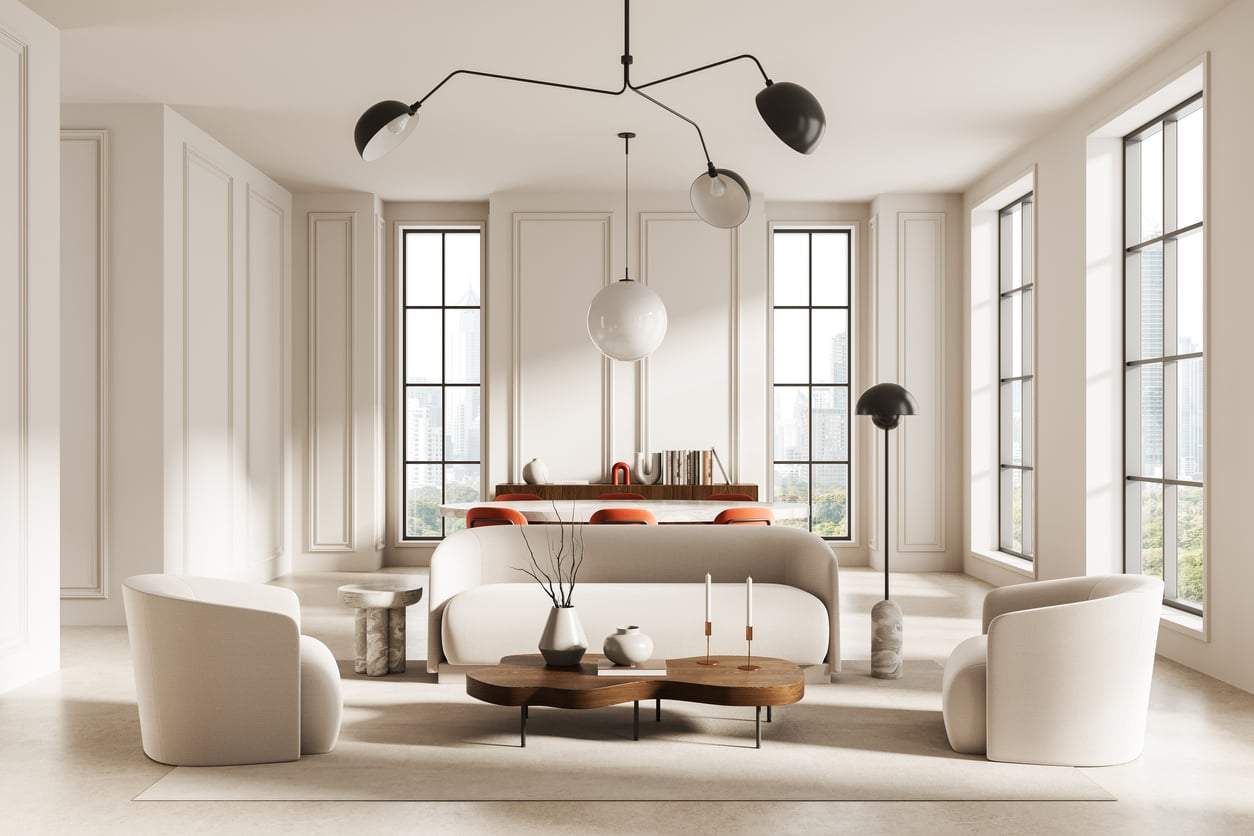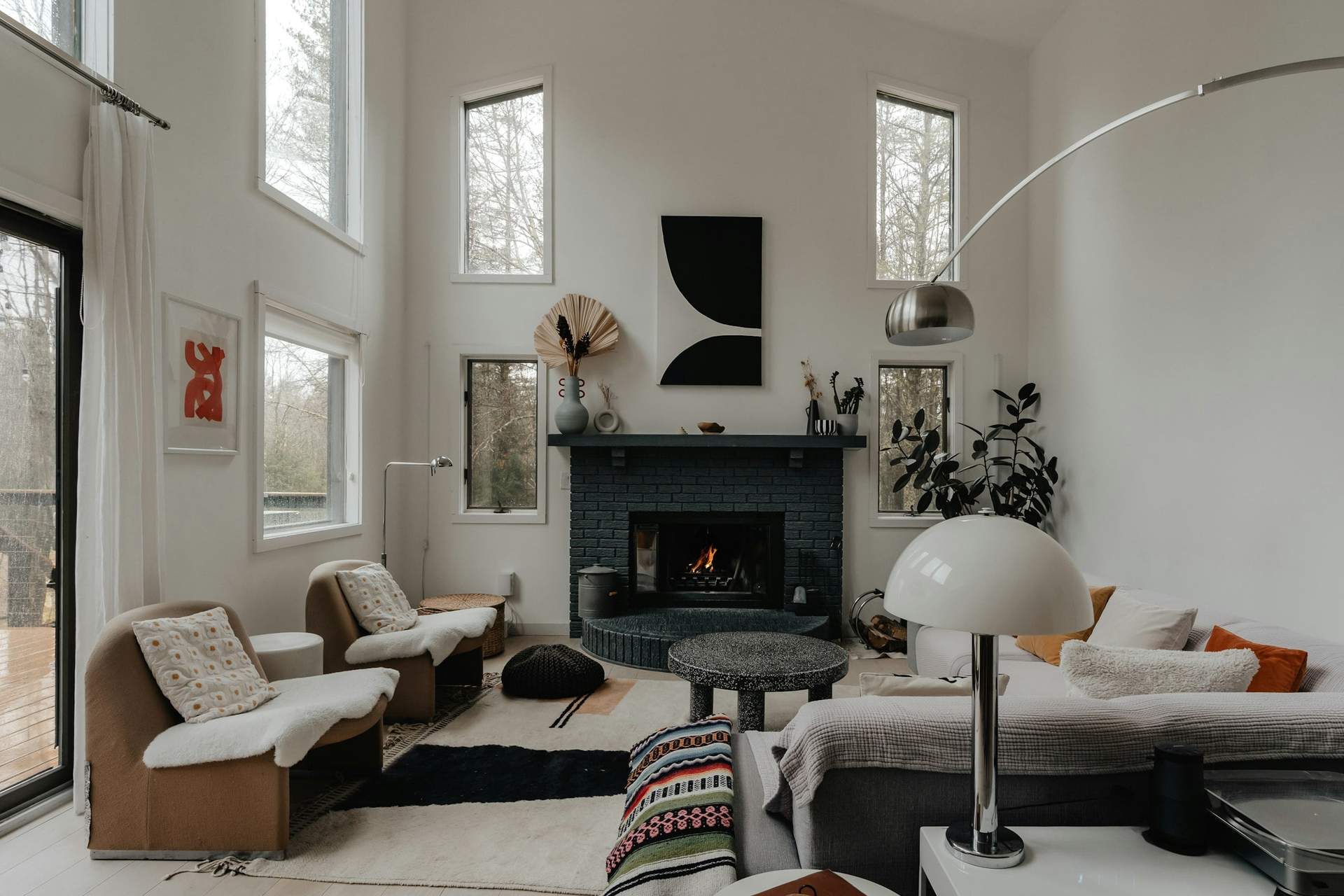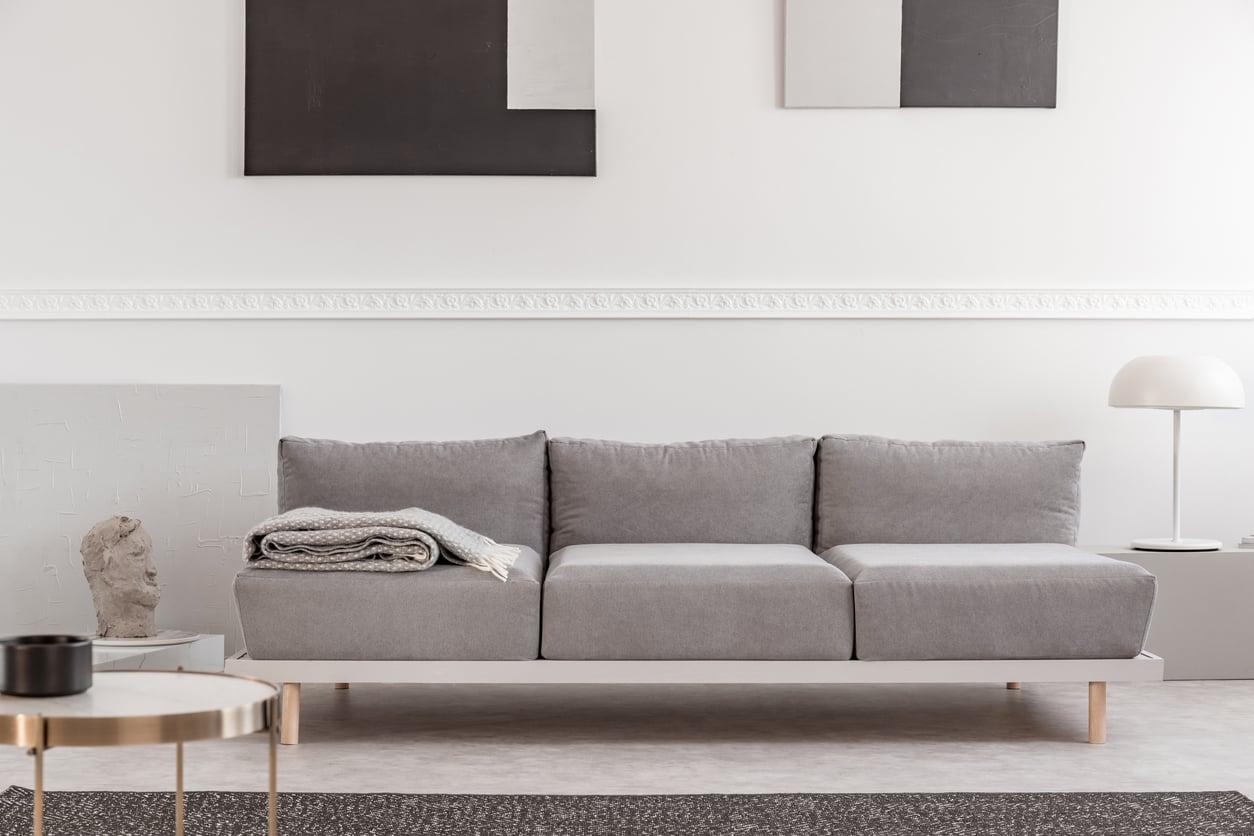
Thanks to modern design trends, we often see minimalist homes that look almost hospital-clean, with every detail meticulously perfect. But we sometimes forget that our homes do more than look good—they deeply impact our mental well-being. A too-sterile space can feel cold and lifeless, seriously affecting our mood and emotional health.
The Psychological Impact of a Sterile Environment
It’s in human nature to be drawn to the sights, colors, and textures around us. When we strip these away, our homes often lose the warmth that brings comfort and a sense of safety. A sterile environment limits how we express our personality and style, leaving us feeling restricted and anxious at times.
Research shows that spending time in gray, white, or black rooms can increase feelings of depression and loneliness.
Psychologists say that the lack of vibrant colors, natural materials, or personal items can also dampen creativity. These elements play a key role in helping us feel energized and motivated every day.
How a Sterile Environment Affects Physical Health
While keeping things clean is essential for health, an overly sterile environment can backfire. Our immune systems need some exposure to dirt and bacteria to stay strong. Without these natural stimuli, our defenses may weaken, increasing the risk of chronic conditions like allergies or asthma over time.
Data from the U.S. Centers for Disease Control and Prevention (CDC) links sterile environments with sedentary lifestyles, which contribute to obesity and other lifestyle diseases. Research also shows that our home’s temperature and humidity significantly affect our health, so it’s important to keep an eye on these factors.
Tips for Creating a Cozier Home
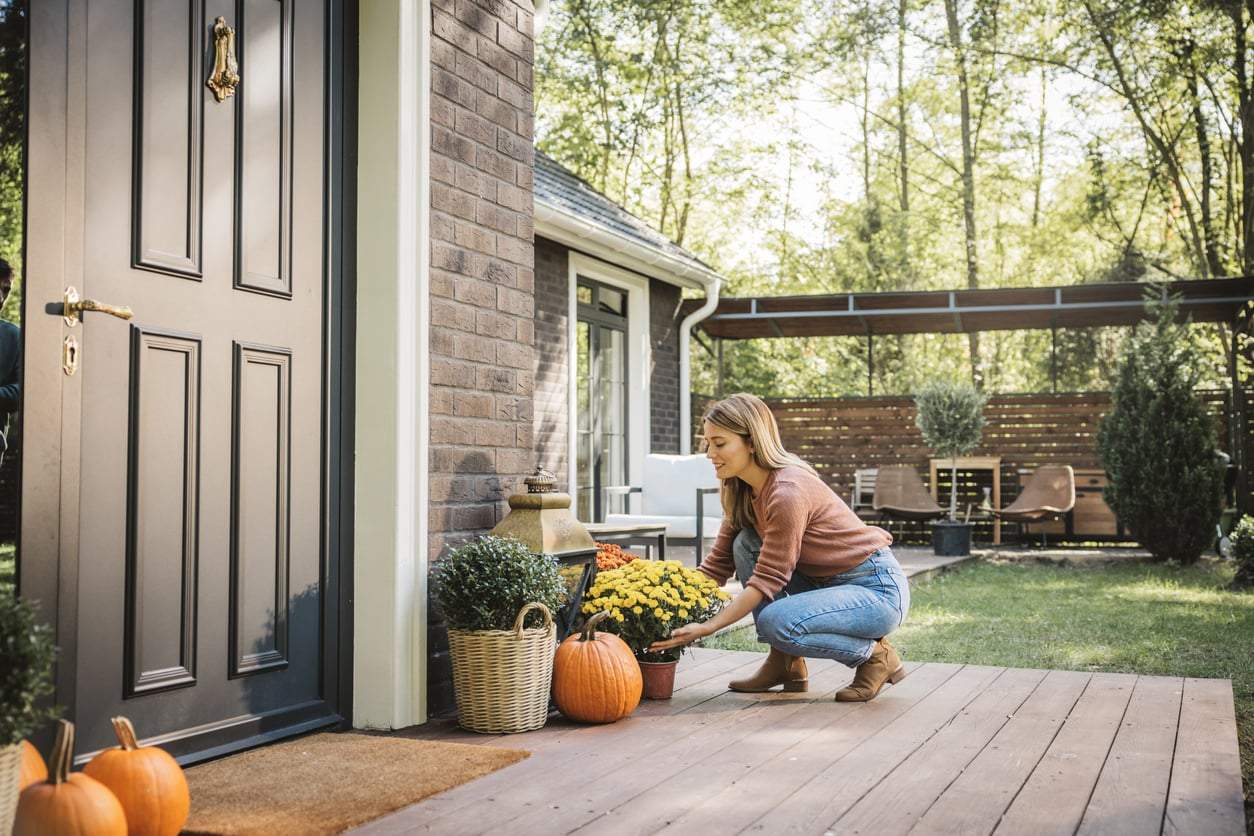
If your home feels too sterile or cold, a few simple changes can make it feel more inviting. Start by adding some color to your rooms.
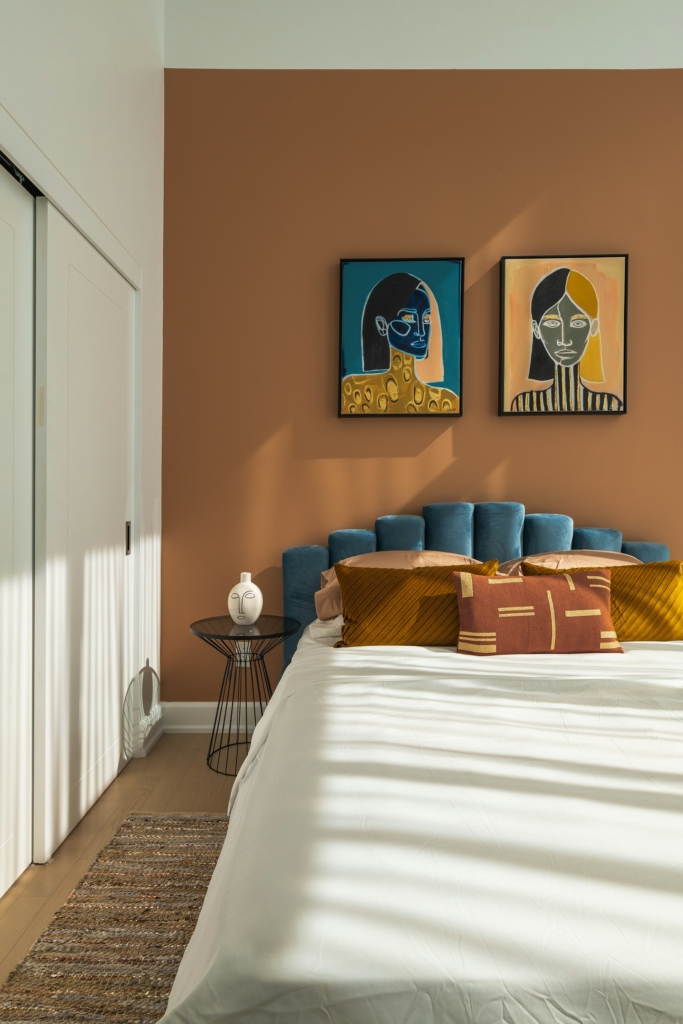
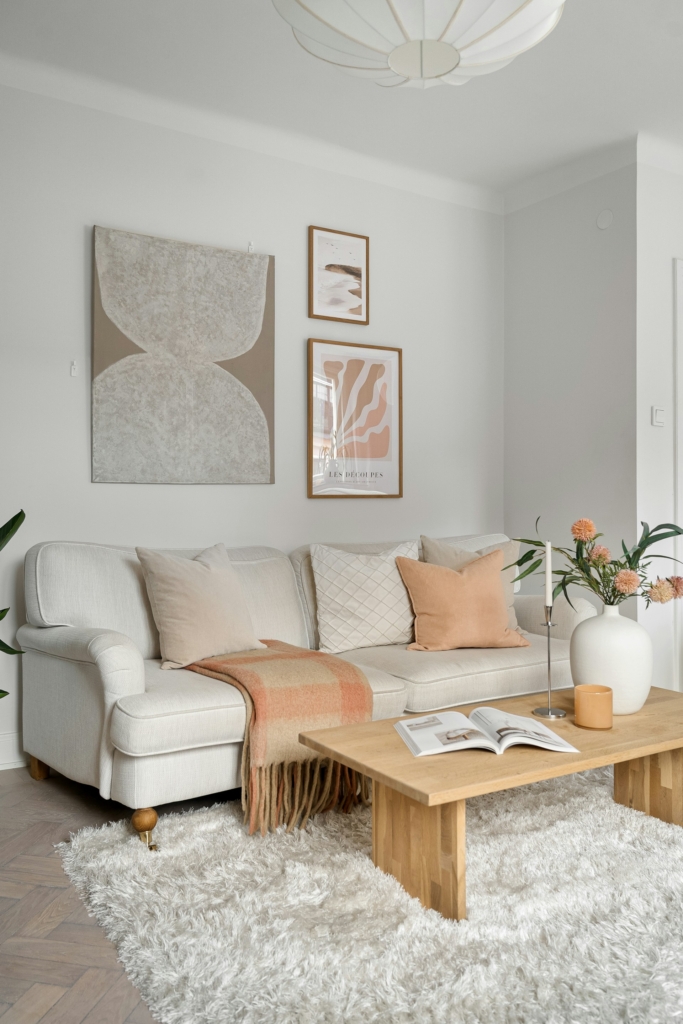
No need for drastic changes—just a few colorful pillows or decorative items can brighten your space. Vibrant colors not only catch the eye but also boost the energy and mood of your home.
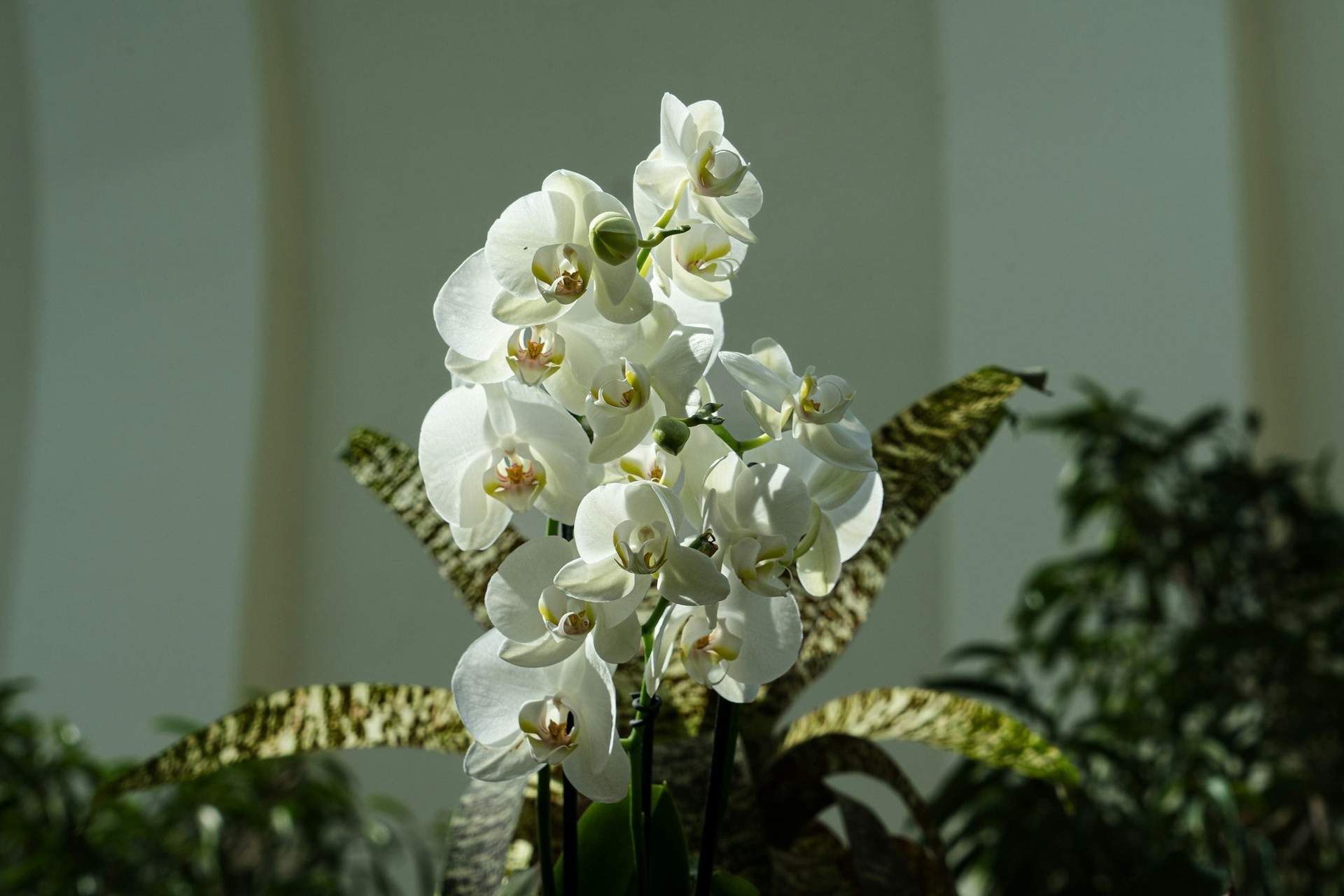
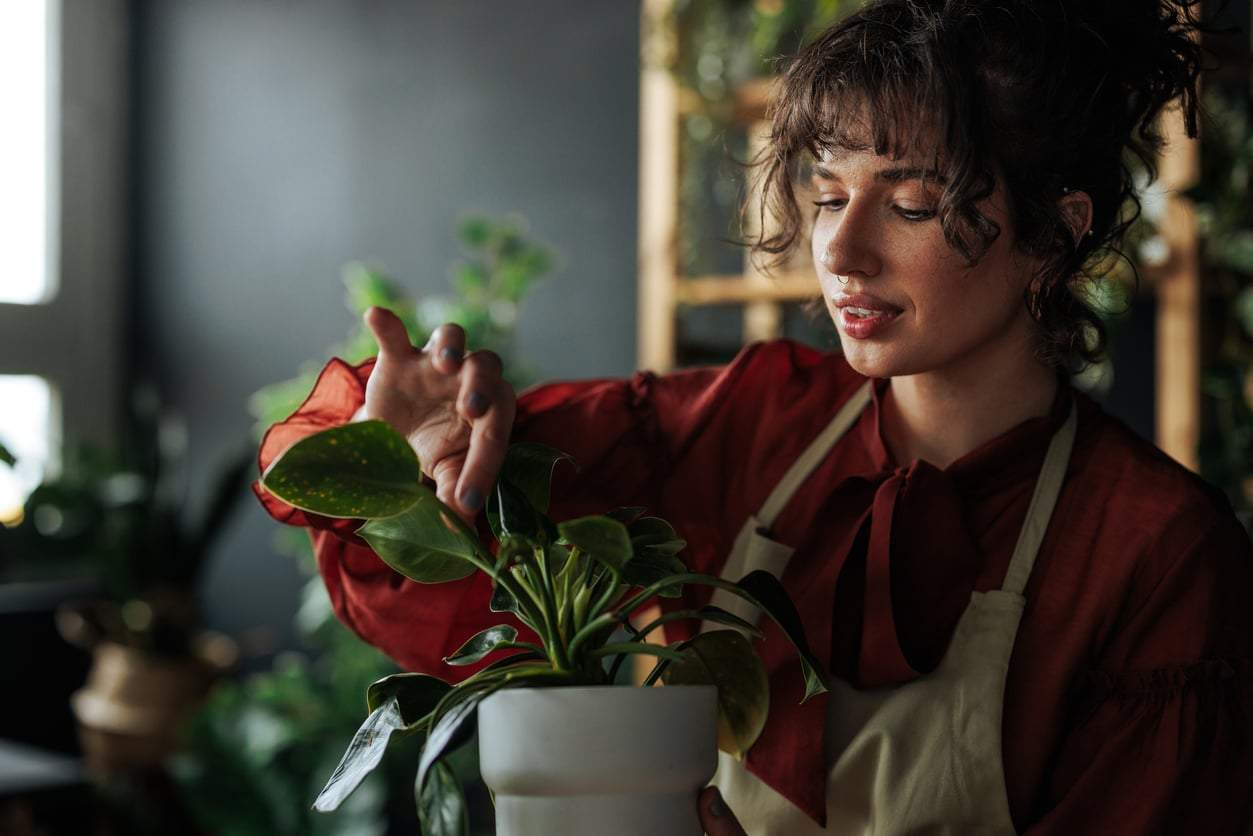
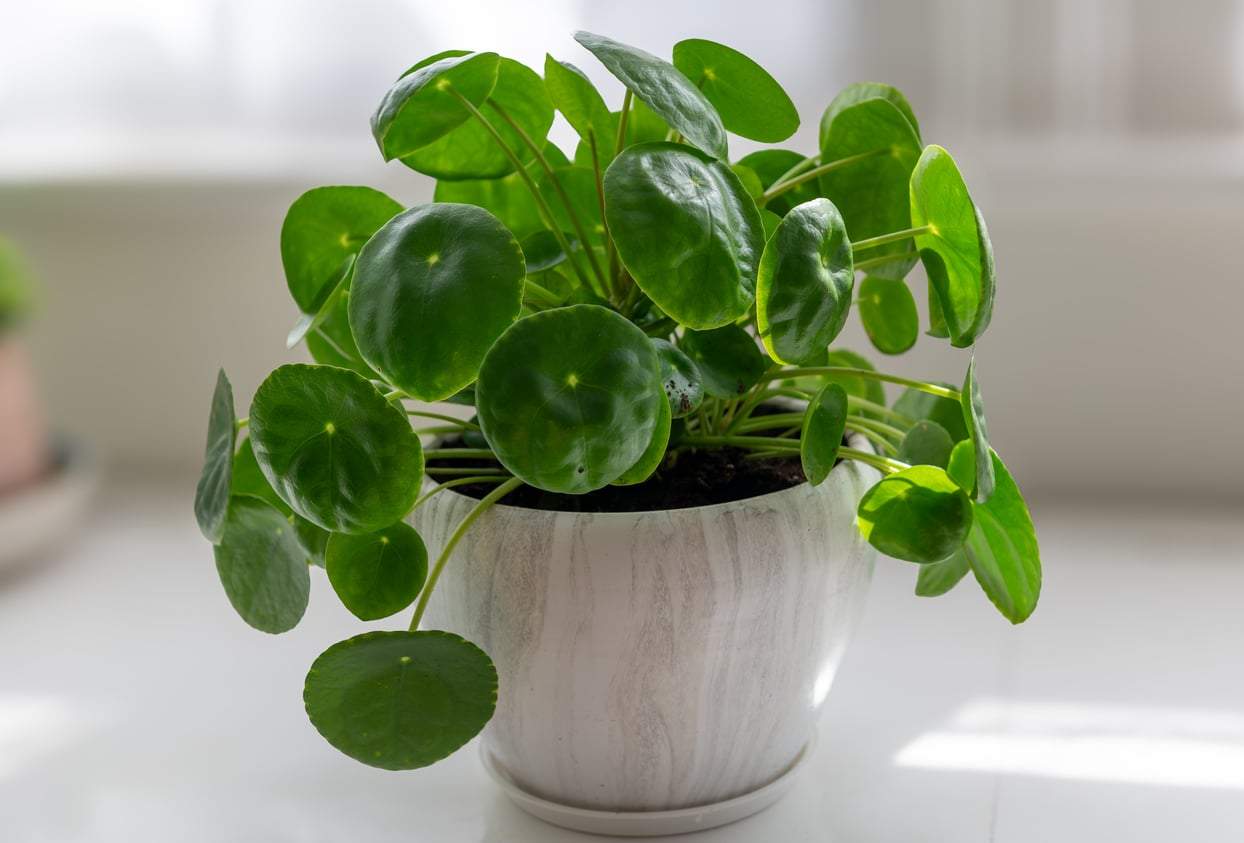
Adding plants also makes a big difference. Houseplants improve air quality and increase indoor humidity even in small amounts. To boost coziness, place personal items like favorite books, family photos, or travel souvenirs at eye level to keep positive memories close.
Personal Touch and Comfort
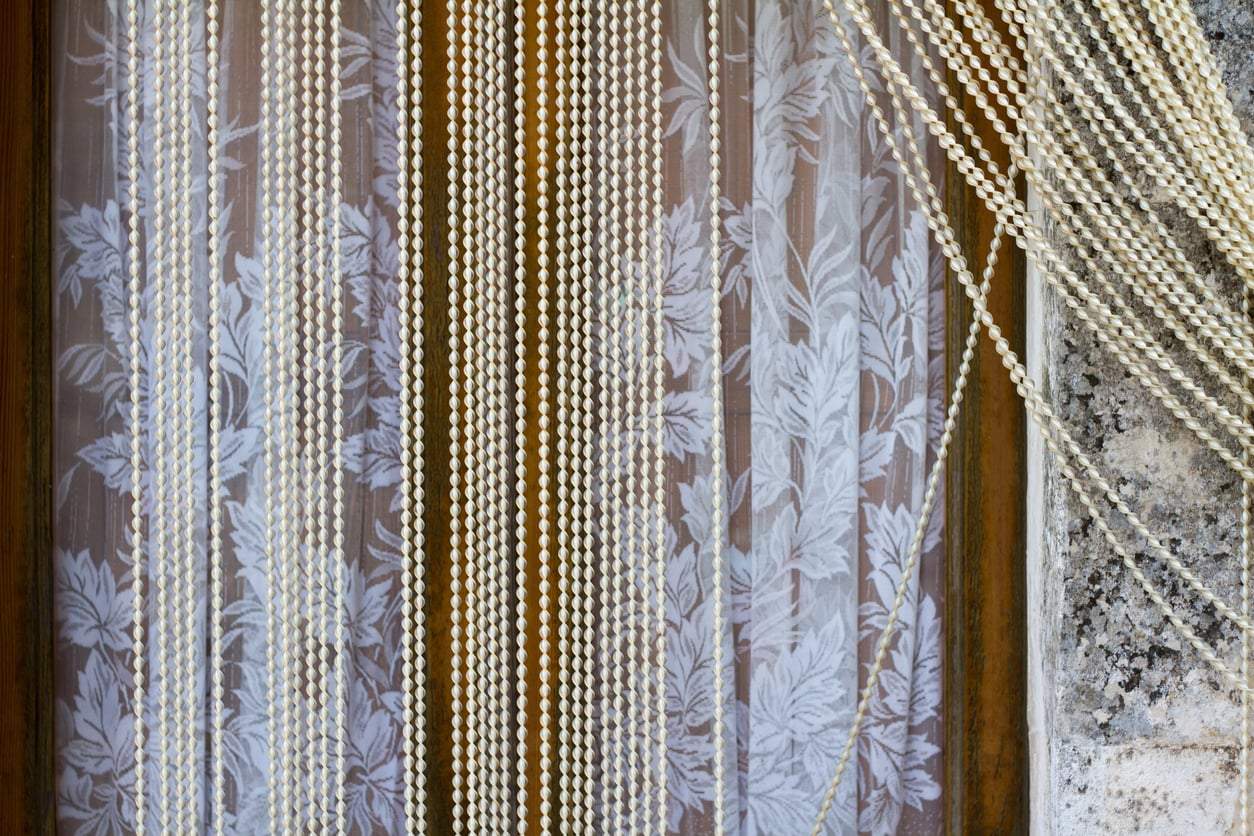
Comfort and coziness often come from textiles. Soft rugs, curtains, and blankets create a warm, inviting space and help absorb noise, making your home feel peaceful.
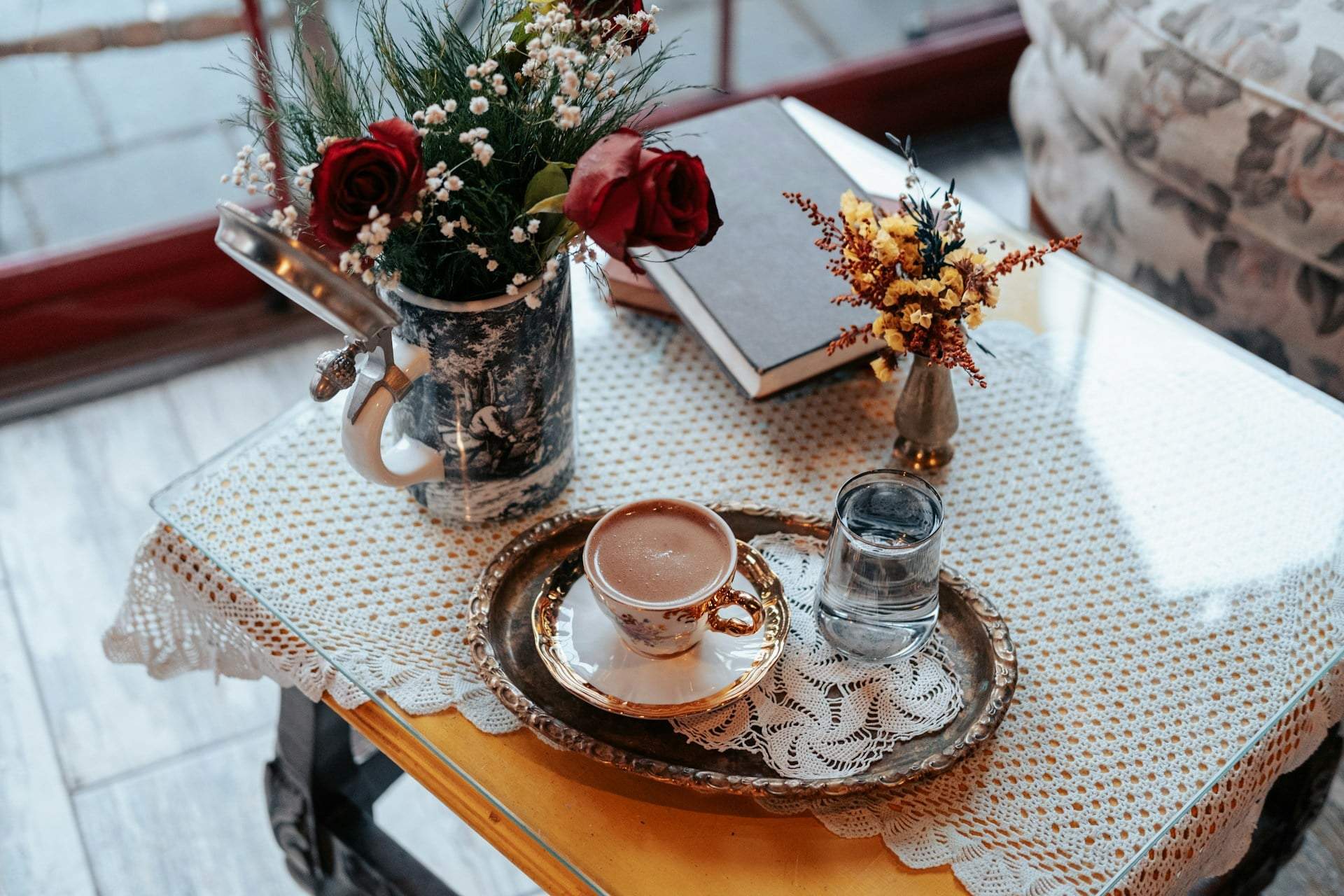
Everyone has special items that mean a lot—maybe a vintage mug from grandma or a painting found at a market halfway across the world. These personal treasures bring warmth and stories to your home, playing an important role in daily life.
Keeping Order Without Going Overboard
Order brings calm and efficiency, but too much can lead to compulsive behaviors and stress. Having some clutter and easy access to personal items is actually important for sparking creativity.
Finding the right balance is key: keep your space clean and organized without sacrificing personality and comfort. This way, your home truly reflects you and feels like a real sanctuary.
Hopefully, these tips help you create a home where you feel your best. Adding personal touches and a welcoming vibe can make your everyday life more harmonious and joyful.