
But what if I told you these microplastics can actually get into your brain? A recent study reveals the situation is more serious than we thought: over the past 8 years, the amount of plastic accumulating in the human brain has increased by 50%. Even more striking, people with dementia had ten times more plastic in their brains than those without. Could this mean microplastics influence how we think?
How Does Plastic Even Get Into Our Brains?
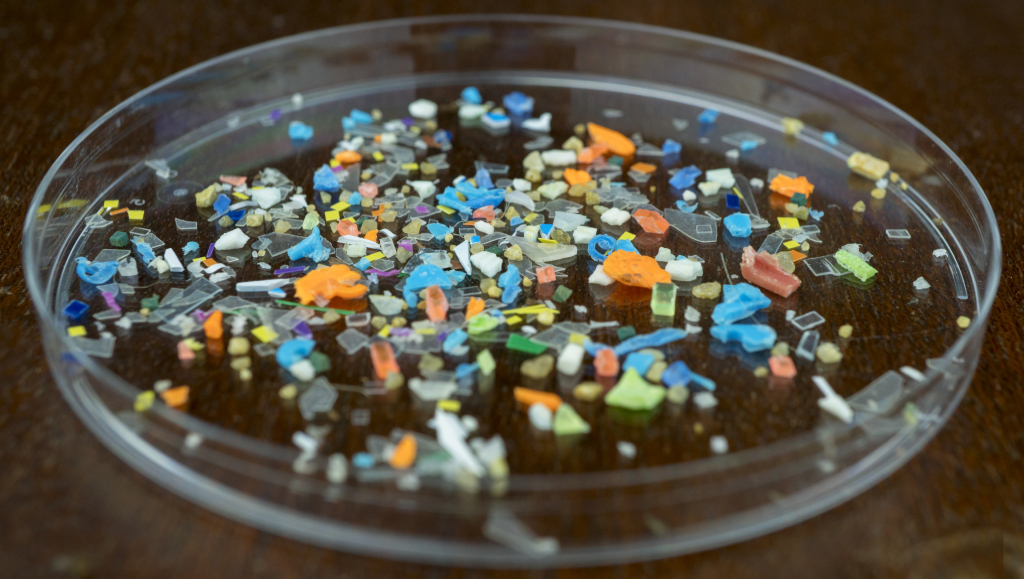
Researchers at the University of New Mexico examined brain tissue samples after death and found something shocking: microplastic levels in the brain were 12 times higher than in the liver or kidneys. Where is all this plastic coming from? Unfortunately, everyday life is the source — bottled water, plastic packaging, synthetic clothing. These tiny pieces, ranging from a few nanometers up to 5 millimeters, quietly build up in our bodies over time.
The most worrying part? The tiniest microplastics can cross the blood-brain barrier, which is supposed to protect our brain from harmful substances. Scientists found plastic fragments in brain tissue as small as 200 nanometers — about twice the size of a virus. These particles are so small they can easily embed themselves into brain tissue.
Could It Affect How You Think?
The good news: there’s no clear proof yet that microplastics directly cause dementia or other neurological diseases. The concerning news: these plastics accumulate right where critical brain functions happen.
Researchers weren’t just curious about chemical effects — they also wondered if plastic particles physically interfere with brain function. They suspect it’s possible that these particles:
- Block blood flow in tiny capillaries, reducing oxygen supply to the brain.
- Disrupt connections between nerve cells, slowing thinking, memory, and reaction times.
- Encourage harmful proteins to clump together, which is linked to conditions like Alzheimer’s.
“These plastics could literally be inside your brain, affecting how it works — and that can’t be ignored.”
What Can You Do?
Microplastics are everywhere — in the air, in our food, and in our drinking water. While avoiding them completely is nearly impossible, you can reduce your exposure by:
- Avoid plastic packaging, especially with hot foods and drinks, since heat releases more microplastics.
- Drink less bottled water — studies suggest tap water contains fewer microplastics than bottled water.
- Choose natural fiber clothing, because washing synthetic fabrics releases lots of microplastics into water, and wearing or drying them releases particles into the air you breathe.
- Be mindful of your food sources — mass meat production can introduce microplastics into animal feed and, ultimately, our meals.
Even if plastic production stopped today, existing plastics would take decades to break down, releasing microplastics into the environment and food chain. Campen calls this a ticking time bomb — its full impact is still unknown, but one thing’s clear: this is a serious problem.
The question isn’t if microplastics get into our brains anymore — it’s what they’ll do once they’re there. Will they affect how we think, feel, or remember? We’ll likely find out sooner than we think…