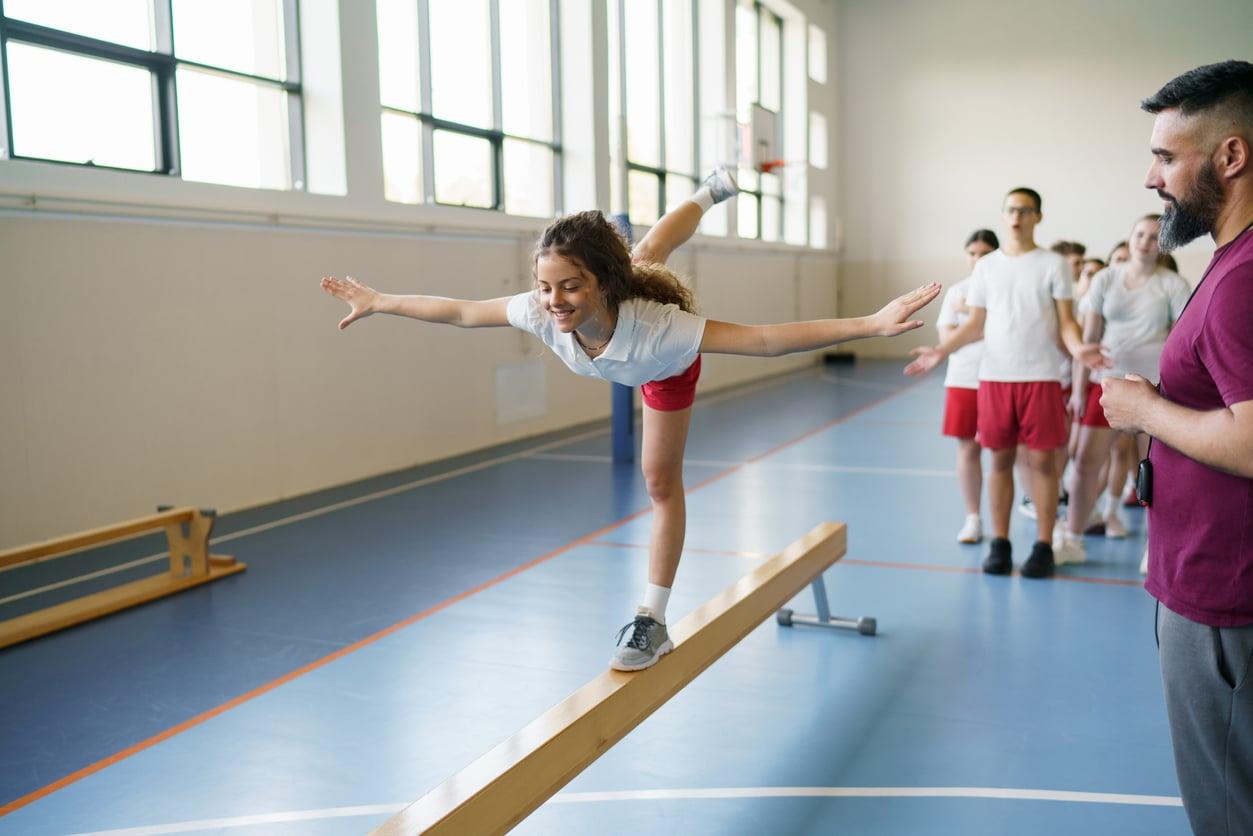
Physical education is supposed to be the class that makes you fall in love with movement. For me, it did the opposite. By the time I finished school, I associated exercise with obligation, discomfort, and dread — and it took years to undo that.
I was part of the first generation of students in Hungary to experience five compulsory PE lessons every single week. The intention behind it was good. But good intentions and good outcomes are not always the same thing.
When the environment works against you
One of the things nobody talks about enough is the physical reality of five PE lessons a week in a typical school building. Most schools simply aren't equipped with proper shower facilities — or if they are, using them privately isn't really an option.
I still remember the routine vividly: spraying deodorant in a rushed changing room, pulling clothes back over a sweaty body, and then sitting through two more hours of lessons feeling sticky and self-conscious. When PE was scheduled first thing in the morning, that uncomfortable feeling followed me through the entire school day. It wasn't just unpleasant — it made me resent the whole thing before I'd even had a chance to enjoy it.
Choice matters more than we think
In our school, three of the five weekly lessons were built into the regular timetable, and two were afternoon sessions — longer, more intensive blocks. The options for what you actually did were limited, and that's how I ended up in folk dancing.
Not because I was curious about it. Not because I'd asked to try it. But because there was a free spot, and I needed to fill it.
Variety in movement could be a genuinely wonderful thing. But when you have no real say in the matter, it stops feeling like discovery and starts feeling like a sentence.
There were lessons I genuinely dreaded. I'd feel anxious for hours beforehand. A few times, I cried. And the lasting effect of that wasn't just a bad memory — it put me off dance entirely for years afterward.
Not every kid thrives in the same sport
My relationship with PE was never consistent. Volleyball, for instance, I actually loved. Something about the pace and the teamwork clicked for me, and I felt like I belonged there.
Basketball was a different story. I found it genuinely miserable — not because I didn't try, but because I never understood what I was doing there. The answer, it turned out, was simple: I was tall, so someone assumed I'd be good at it. Whether I enjoyed it was beside the point.
What matters is recognising that movement doesn't mean the same thing to every child. What gives one kid confidence and joy can give another anxiety and a lasting aversion to sport altogether.
The lessons I remember most fondly were the ones where we had a genuine choice — where not everyone had to do the same thing at the same time. Those felt completely different. They felt like freedom rather than obligation.
If you've ever felt that sport was something that happened to you rather than something you chose, you're far from alone in that experience.
The memories that hold you back
PE is supposed to lay the groundwork for a healthy, active adult life. In theory, those five lessons a week should have made movement feel natural and enjoyable. In practice, the opposite happened for me.
As an adult, I went through long stretches where getting back into any kind of regular exercise felt oddly difficult — not physically, but emotionally. There was a resistance I couldn't quite explain until I traced it back to those school years.
That's not a small thing. The experiences we have as children shape our relationship with our own bodies for a long time. Sometimes for life.
More choice, less obligation
There's another problem with packing five compulsory PE lessons into a school week: it leaves less time and energy for kids to pursue movement they actually want to do. Sports clubs, dance classes, cycling, swimming — activities chosen freely, outside school hours, often build a far more lasting connection to physical activity than anything mandated in a curriculum.
When the school week is already full of obligatory exercise, those voluntary pursuits get squeezed out. And voluntary is exactly what makes them valuable.
A system worth rethinking
I genuinely believe the people who designed this system wanted to help children be healthier and more active. That goal is real and it matters. But how you implement an idea shapes the outcome just as much as the idea itself.
When students leave school remembering PE as a chore to be endured rather than a pleasure to be continued, the system has failed its own purpose — no matter how many hours it mandated.
The real question is this: how do we make physical education something that draws children toward movement for the rest of their lives — rather than something that quietly pushes them away from it?
If I could say one thing to my fifteen-year-old self, it would be this: don't let the bad PE lessons take the joy of movement away from you. Go for a walk. Ride your bike. Dance in your room to songs you love. Find what feels good in your body — because your relationship with movement matters far more than any grade or attendance record ever will.