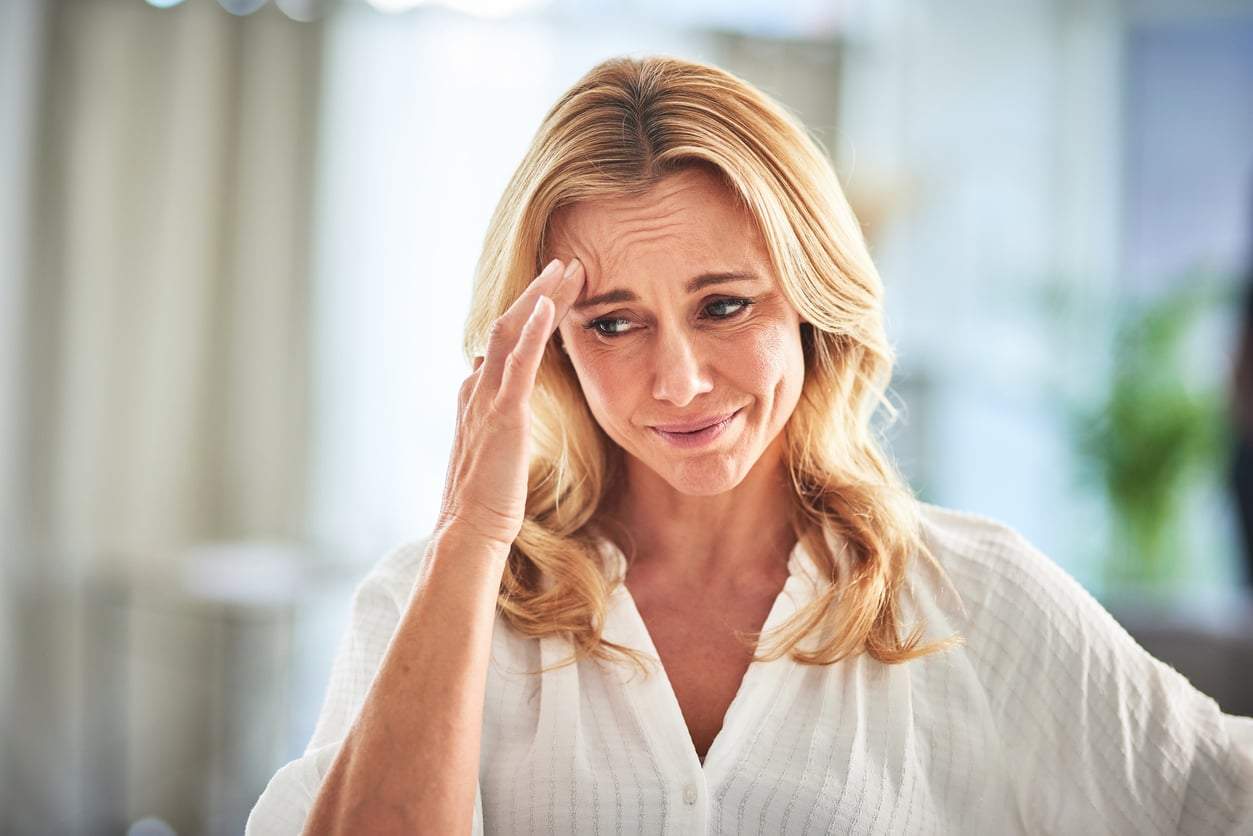
As women, we don't exist in a single, unchanging state. We move through a continuous, circular rhythm — one where our hormones quietly conduct our mood, our energy, and our desires like an invisible orchestra leader. The moment I truly understood this, something shifted. Not just in how I manage my days, but in how I feel about myself.
It brought me peace. And, unexpectedly, a kind of freedom I hadn't known I was missing.
Looking back at my teenage years, what I knew about my own body was painfully thin. I grew up in an era when talking about menstruation wasn't exactly dinnertime conversation. Sex ed classes were dry and clinical. Whispered chats with friends were full of uncertainty. If you were curious, the library offered cold anatomical diagrams and practical tips — how to choose the right pad, how to avoid the dreaded white-jeans disaster, how to tell your mum it had arrived. Nobody talked about what any of it actually felt like on the inside.
I remember being in my early twenties when a friend casually mentioned she could tell from her cervical mucus that the timing had been right that month. I stared at her blankly. Back then, I had no idea that this kind of body awareness wasn't some niche obsession — it was fundamental self-knowledge that could completely reshape a woman's relationship with herself.
Becoming a mother changed everything
As I watched my daughter grow, one thought kept surfacing: I didn't want to pass on the same half-whispered, incomplete legacy. I wanted her to feel proud of her body's signals from the very beginning — not to experience her cycle as a monthly inconvenience to be managed, but as something worth understanding and even trusting.
That desire led me to a course that genuinely opened my eyes. I had always suspected my mood swings and fluctuating energy levels were connected to my hormones — but seeing it laid out clearly was something else entirely. When I started keeping a cycle journal, the chaos began to make sense. I could see exactly when I had ovulated, and just as clearly, when my momentum started to fade toward the end of the month.
What struck me most was realising that this knowledge goes far beyond family planning. It's a genuine diagnostic tool — one that helps you understand, on any given day, which inner season you're moving through.
It changed how I see myself — and how I treat myself
The constant guilt started to dissolve. That nagging self-criticism for being less productive during certain weeks, for needing more quiet, for not feeling like socialising — I stopped reading it as failure. When I'm in the middle of my luteal phase, I now know that pulling back isn't laziness. It's my body communicating a genuine need for stillness.
What I didn't expect was how much this awareness would also protect my relationship. For years, I struggled to understand — let alone explain — why one week I wanted to be with my partner constantly, and the next, even the smallest interaction felt like too much. All I wanted was a hot drink, a book, and the quiet of my own company.
Once I learned this language, I was able to share it with my daughter's father too. And he's been a remarkable partner in this — he now moves with my cycle rather than against it, validates how I'm feeling, and knows instinctively when I need an extra hug and when I'm ready to take on the world together.
Cycle tracking isn't another box to tick or a dry science project. It's a key — one that helps you stop seeing your body as the enemy and start seeing it as an ally.
Sometimes I wonder how much easier my teenage years might have been if I'd had this map back then. But instead of grieving what I didn't know, I find myself genuinely glad — because for my daughter, this won't be a secret code she has to crack alone. It will simply be knowledge she can lean on, whenever she needs it.