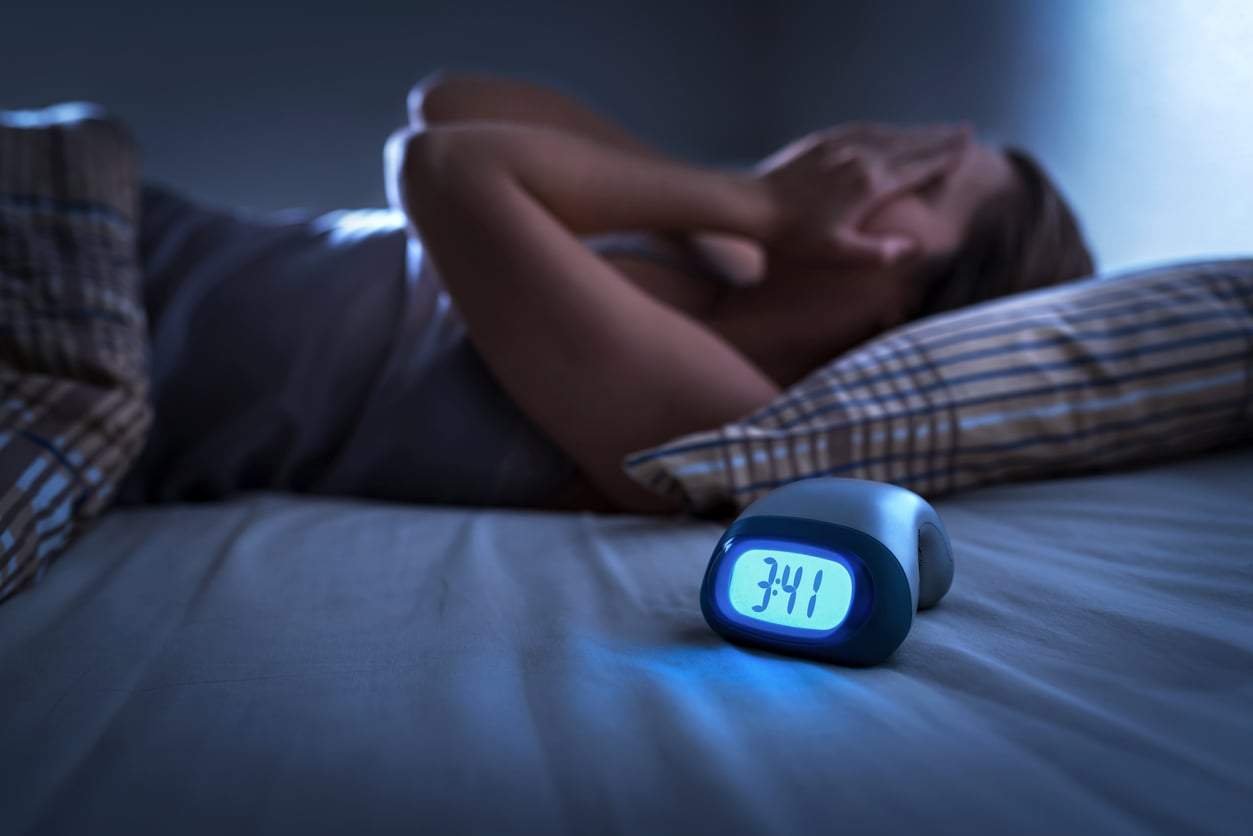
Waking up tired even though you went to bed on time? Do you find yourself waking up multiple times at night without knowing why? You’re not alone, and the answer might be simpler than you think. The good news: waking up a few times at night is completely natural. The not-so-great news: if it becomes a habit, it’s worth exploring what might be behind it.
Experts from The Healthy shed light on what’s normal depending on your age, common disruptors, and when it’s time to seek professional help.
How Long Is Nighttime Waking Normal?
Waking up during the night isn’t necessarily a problem—it’s a natural part of the sleep cycle up to a certain point.
“Waking up once or more during the night can be part of a normal sleep pattern,” says Dr. Ruchir Patel, sleep expert.
So, what’s still considered normal? According to Dr. Patel:
- Young adults: 1-2 times per night is normal.
- Middle-aged adults: 2-3 times.
- Older adults: 3-5 times can be normal.
“It’s important to note that you should be able to fall back asleep within 30 minutes after waking,” Dr. Patel adds.
What Could Be Behind Frequent Night Waking?
While a few night awakenings are fine, if they become regular and leave you feeling tired or drained during the day, it’s worth investigating the cause.
1. Chronic Stress and Anxiety
“Insomnia is the most common cause of frequent night waking,” says Dr. Morgan Soffler, sleep specialist.
Stress, anxiety, and depression can all worsen sleep problems. A 2024 study in the Journal of Sleep Medicine found elevated cortisol (stress hormone) levels in affected individuals.
2. Hidden Sleep Apnea
“Obstructive sleep apnea is also a common cause of disrupted sleep,” explains Dr. Soffler.
This condition happens when throat muscles relax during sleep and block the airway. The brain reacts to the lack of oxygen by waking you up.
Common symptoms include:
- snoring,
- waking up gasping for air,
- frequent nighttime urination,
- daytime fatigue,
- morning headaches or dry mouth.
3. Restless Leg Syndrome
“People with restless leg syndrome often struggle to fall asleep because symptoms worsen at night or when resting,” says neurologist Dr. William G. Ondo.
Iron deficiency or certain medications (like antihistamines or antidepressants) often play a role.
4. Eczema and Skin Conditions
“This condition can seriously affect patients’ quality of life and health—both physically and mentally,” says dermatologist Dr. Jonathan Silverberg.
Evening and nighttime itching is common, making it hard to fall and stay asleep.
5. Bedroom Too Warm
Your body needs to cool down to sleep well. The National Sleep Foundation recommends an ideal temperature between 18-20 °C (64-68 °F). Too much heat can make waking up easier.
6. Mattress Too Firm
“A mattress that’s too firm creates pressure points at the hips and shoulders while not supporting the lower back properly—this leads to tossing, turning, and waking up,” explains Pete Bils, VP of Sleep Technology at Sleep Number.
7. Phone Use and Scrolling Before Bed
Blue light alone doesn’t necessarily disrupt sleep. The bigger issue is watching stimulating content before bed, which delays falling asleep, according to a 2024 Sleep Medicine Reviews analysis.
8. Alcohol as a Sleep Disruptor
“Alcohol makes sleep lighter and more fragmented as it’s processed,” says psychologist and sleep expert Dr. Leah Kaylor.
Even small amounts reduce REM sleep—the phase important for memory, mood, and brain function. That’s why you might wake up feeling foggy even after a full night’s sleep.
9. Hormonal Changes
“Hormonal fluctuations—whether from menstruation, pregnancy, menopause, or aging—can seriously disrupt sleep,” says Dr. Kaylor.
Changes in estrogen and progesterone levels can cause insomnia, restlessness, and night sweats.
10. Medication Side Effects
“Some medications—like blood pressure drugs, asthma treatments, or antidepressants—can also cause insomnia,” says Dr. Kaylor.
AARP adds that common sleep disruptors include:
- cold medicines,
- blood sugar regulators,
- painkillers,
- and steroids (like prednisolone).
11. Frequent Nighttime Bathroom Trips
Frequent nighttime urination, or nocturia, can have many causes—from drinking too much fluid to kidney disease.
“If waking up to use the bathroom regularly disrupts your sleep, it’s a good idea to see a doctor,” advises Dr. Soffler.
A 2024 StatPearls study lists possible causes:
- bladder issues,
- hormonal imbalances,
- diabetes,
- high blood pressure,
- or heart disease.
When to See a Doctor About Your Sleep Problems
“Over-the-counter remedies like melatonin or CBD can offer temporary relief but don’t address the root cause,” warns Dr. Kaylor.
White noise machines or relaxation apps can help, but they work best alongside good sleep habits.
Dr. Patel recommends seeing a sleep specialist if you experience:
- constant fatigue even after enough sleep,
- lying awake for more than 30 minutes at night,
- frequent daytime naps,
- feeling sleepy while driving,
- difficulty waking up and feeling groggy for a long time,
- or if your partner notices snoring or breathing pauses.
“First, we need to identify the exact cause of the sleep disorder—usually through a sleep study,” Dr. Patel explains.
Once diagnosed, targeted treatment can be recommended.
Our tip: If you often wake up at night, start by noting when, why, and how you wake up. This can help spot patterns and make medical consultations easier.