Most of us see our home as a personal sanctuary, where every detail reflects our style. But did you know the colors you choose for your kitchen can affect not just your mood, but also your appetite and even your weight? For years, interior design and psychology experts have studied how colors impact us, and recent research shows they can significantly influence our eating habits too.
A Quick Color Lesson: How Colors Affect Our Senses
The psychology of color is a fascinating field exploring how we perceive and interpret different shades. Their effects can be conscious or even subconscious. For example, red often sparks excitement and energy, while blue brings calm and peace.
Colors also play a big role in marketing. It’s no coincidence that fast-food chains often use red and yellow—they stimulate appetite and encourage quick decisions. At home, especially in the kitchen, you can use colors intentionally to influence your eating habits.
How Colors Influence Appetite
Let’s start with red, which research shows can boost appetite. Seeing red objects or surfaces triggers excitement and urgency in our psychology, which can stimulate hunger. A 2012 study found that people preferred food served on red plates.
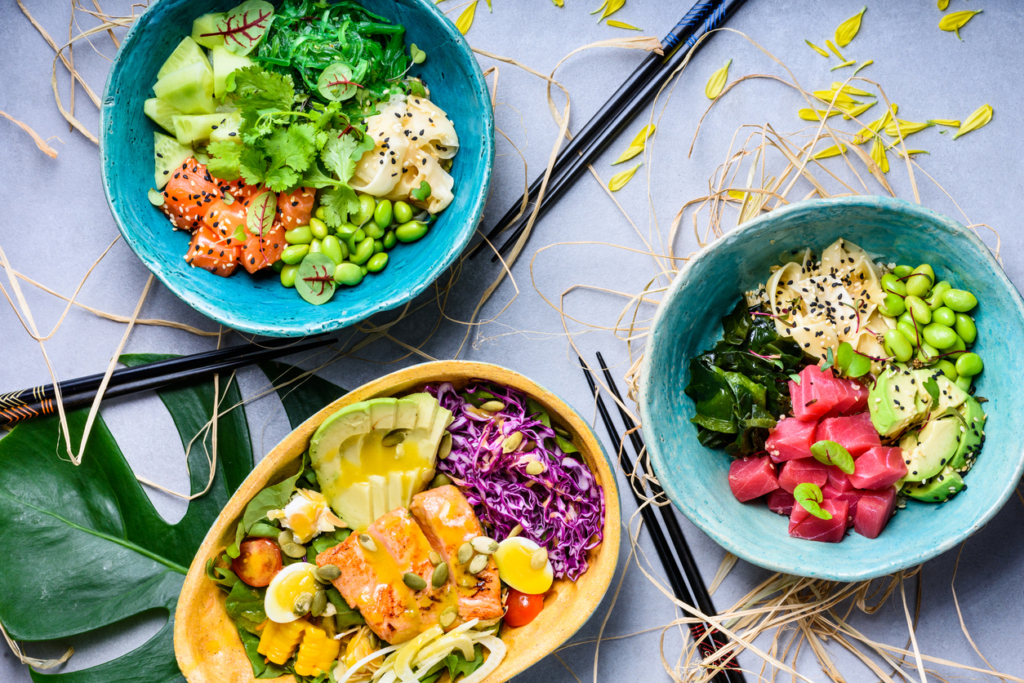
On the flip side, blue has the opposite effect: it’s calming and can reduce appetite. Since there are few naturally blue foods, this color doesn’t naturally trigger hunger.
So if you’re aiming to lose weight or curb cravings, incorporating blue tones in your kitchen might help.
Yellow and Orange: Joy and Warmth
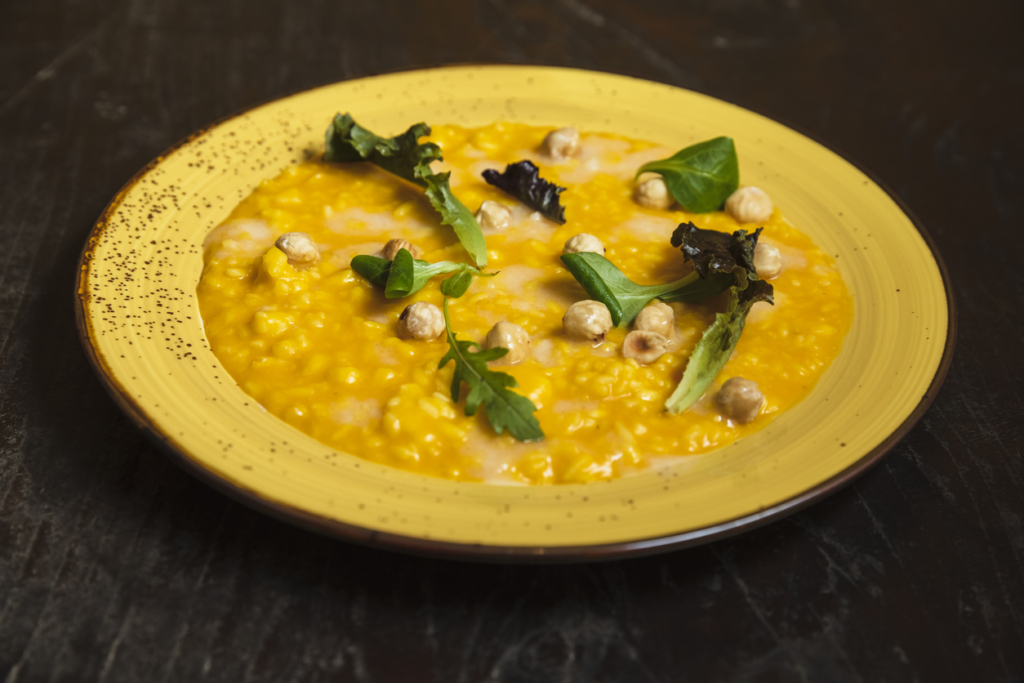
While yellow and orange can also stimulate appetite, they’re mostly used to boost mood and encourage social connection. Yellow evokes sunshine, bringing happiness and optimism. A splash of yellow in your kitchen can brighten the space and lift spirits.
Orange has a similar effect, making rooms feel cozy and inviting, encouraging family and friends to linger longer around the table.
Green: The Color of Health and Balance
Green stands out as the color of health, nature, and freshness, inspiring feelings of well-being and balance. A green kitchen or dining area suits those who enjoy fresh foods like salads and vegetables.
This color supports balanced eating habits and encourages mindful food choices, which can positively impact weight management over time.
Studies and Research Findings
Many scientific studies back up the psychological and physiological effects colors have on us.
A 2009 study on color preferences and eating habits found that participants preferred bright, warm colors when serving food, which was linked to increased appetite.
Another research focused on how color and environment affect dining experiences, showing that lighting and color choices significantly impact our senses and how much we eat.
Choosing the Right Colors for Your Kitchen
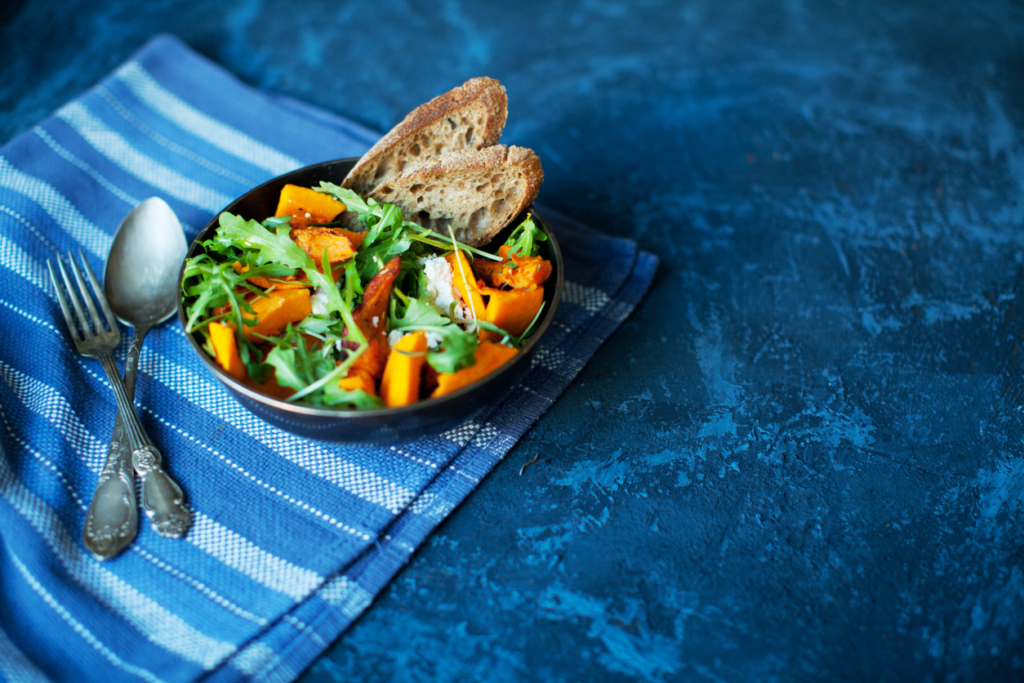
When picking your kitchen’s color palette, consider your personal goals. If weight loss is your aim, blue and green shades can help reduce food cravings.
If you want a space that encourages socializing, go for yellow and orange tones. And using red thoughtfully can create a lively, energetic dining atmosphere—but be careful not to overdo it, as too much can feel overwhelming.